
Introduction
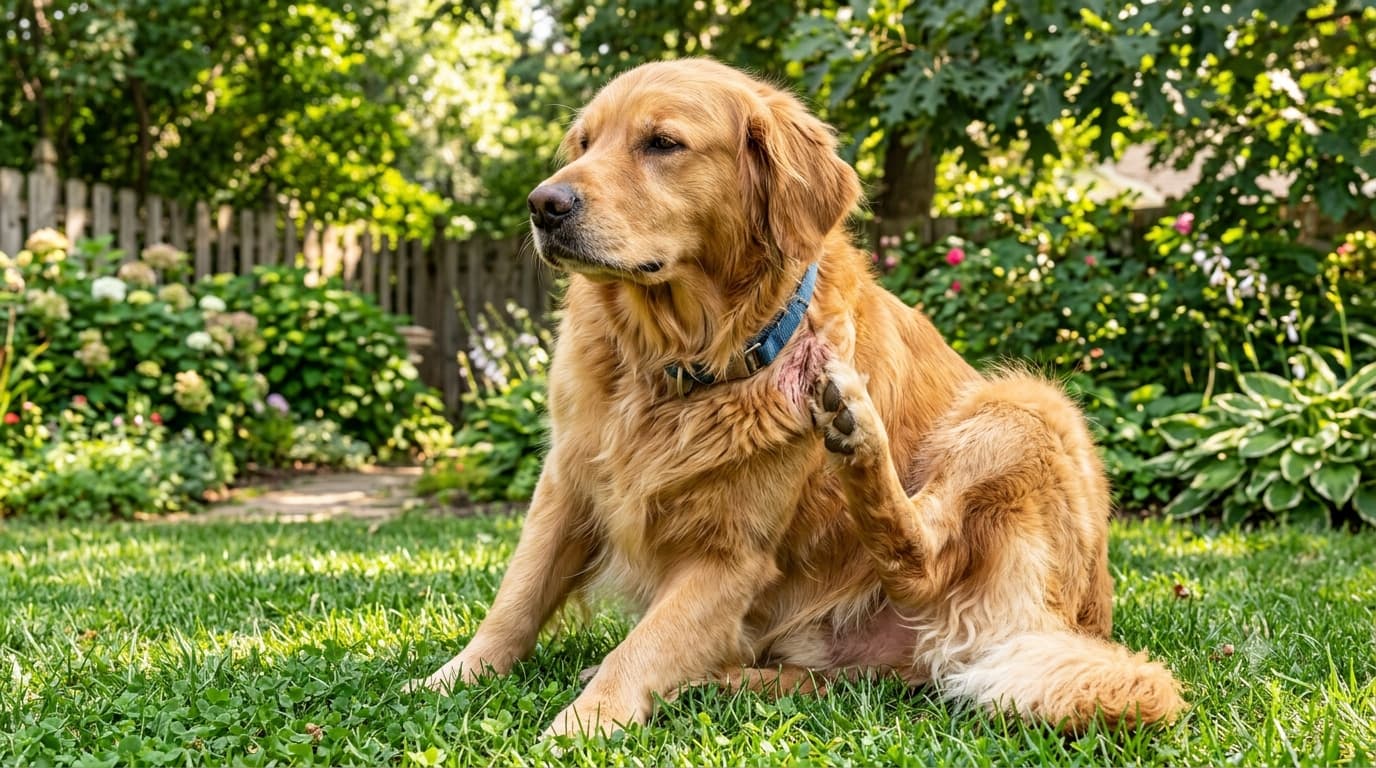
Is your dog constantly scratching, licking, or biting their skin? If you’ve been wondering why is my dog itching so much, you’re not alone. Itchy skin is one of the most common reasons dog owners visit a veterinarian, and while occasional scratching is perfectly normal, excessive itching usually means something is irritating your dog’s skin.
There are many possible causes, including allergies, fleas, dry skin, parasites, skin infections, and even certain health conditions. Some cases are mild and can be managed with simple lifestyle changes, while others require prompt veterinary treatment to prevent the problem from getting worse.
Ignoring persistent itching can lead to hair loss, open wounds, skin infections, and constant discomfort for your dog. That’s why it’s important to identify the underlying cause instead of simply treating the itching itself.
In this guide, you’ll discover 10 common reasons why your dog is itching so much, learn what you can safely do at home, recognize warning signs that shouldn’t be ignored, and know when it’s time to visit a veterinarian.
Table of Contents
🐾 Quick Overview
| Question | Answer |
|---|---|
| Why is my dog itching so much? | The most common causes include allergies, fleas, dry skin, parasites, skin infections, and environmental irritants. |
| Is constant itching normal? | ❌ No. Frequent or intense itching usually indicates an underlying problem. |
| Can allergies make dogs itch? | ✅ Yes. Food and environmental allergies are among the leading causes of itchy skin. |
| When should I see a veterinarian? | If itching lasts more than a few days, causes hair loss, bleeding, skin sores, or signs of infection. |
| Can I treat itchy skin at home? | Mild cases may improve with proper grooming and flea prevention, but persistent itching should be evaluated by a veterinarian. |
🦟 Cause #1 – Fleas and Flea Allergy
One of the most common answers to why is my dog itching so much is fleas. Even if you don’t see fleas on your dog’s coat, just a few bites can cause intense itching. Some dogs are allergic to flea saliva, a condition known as flea allergy dermatitis, which can make the itching much more severe.
Common signs include:
- 🦟 Constant scratching
- 🐕 Biting or chewing at the skin
- 🔴 Red, irritated patches
- ⚫ Tiny black flea dirt in the coat
- 🍑 Excessive itching around the tail and lower back
Regular flea prevention is one of the easiest and most effective ways to protect your dog from flea-related itching.
💡 Tip: Use veterinarian-recommended flea prevention year-round, even if your dog spends most of their time indoors.
🌿 Cause #2 – Environmental Allergies
Another common answer to why is my dog itching so much is environmental allergies, also known as atopy. Just like people, dogs can be allergic to pollen, grass, dust mites, mold, or other environmental allergens. These allergies often become worse during certain seasons and can cause persistent itching.
Common signs of environmental allergies include:
- 🌱 Scratching all over the body
- 🐾 Licking or chewing the paws
- 👂 Frequent ear infections
- 🔴 Red, inflamed skin
- 👀 Watery eyes or sneezing
Environmental allergies usually require long-term management rather than a one-time treatment. Your veterinarian can help identify the trigger and recommend the best treatment plan.
💡 Tip: Wipe your dog’s paws and coat with a damp cloth after outdoor walks to help remove pollen and other allergens.
🍗 Cause #3 – Food Allergies
If your dog keeps scratching throughout the year, food allergies could be the reason. Although less common than environmental allergies, certain ingredients in your dog’s diet may trigger itchy skin and recurring ear or skin problems.
Common food allergens for dogs include:
- 🥩 Beef
- 🍗 Chicken
- 🥛 Dairy products
- 🌾 Wheat
- 🥚 Eggs
Dogs with food allergies may also experience digestive problems such as vomiting or diarrhea, although some only show skin-related symptoms.
Signs of food allergies include:
- 🤕 Constant itching
- 👂 Repeated ear infections
- 🐾 Excessive paw licking
- 🔴 Skin redness
- 💩 Digestive upset in some dogs
Your veterinarian may recommend a food elimination trial to identify the ingredient causing the allergic reaction.
⚠️ Warning: Don’t change your dog’s diet repeatedly without veterinary guidance. Sudden food changes can cause digestive upset and make it harder to identify the true allergy trigger.

🪱 Cause #4 – Mites and Other Parasites
Another possible answer to why is my dog itching so much is mites or other skin parasites. Unlike fleas, some mites are too small to see with the naked eye, but they can cause severe itching and skin irritation.
Common conditions include mange, which is caused by microscopic mites living on or under the skin. Some types of mange are contagious and require veterinary treatment.
Signs of mites or parasites include:
- 🪱 Severe itching that won’t stop
- 🩹 Hair loss in patches
- 🔴 Red, inflamed skin
- 🧴 Crusty or scaly skin
- 👂 Frequent scratching around the ears, face, or legs
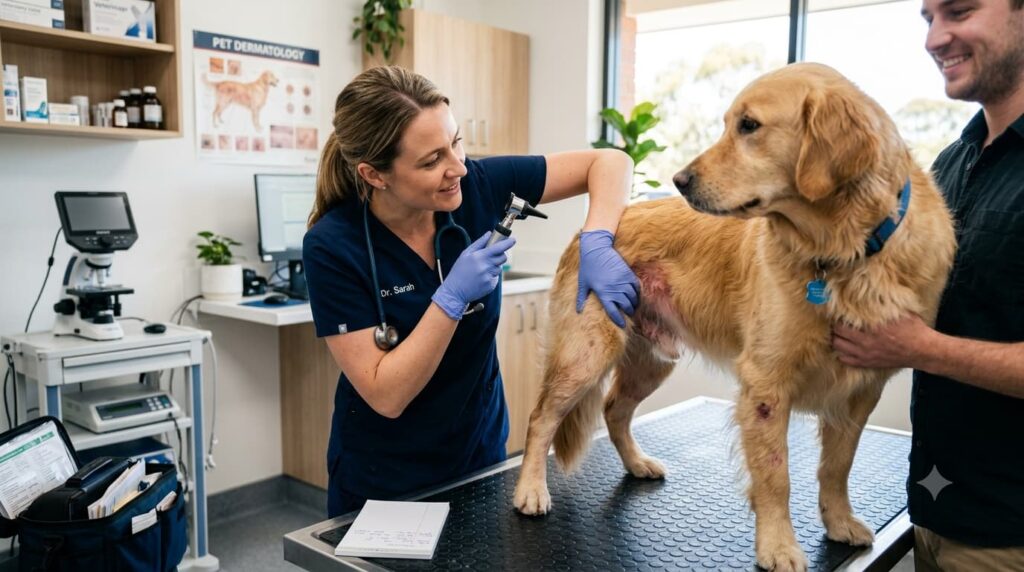
A veterinarian can diagnose mites through a simple skin examination or skin scraping and recommend the appropriate treatment.
💡 Tip: If you suspect mites, avoid letting your dog share bedding or grooming tools with other pets until they have been examined.
🦠 Cause #5 – Bacterial or Yeast Skin Infections
Constant scratching can damage your dog’s skin, making it easier for bacteria or yeast to grow. In some cases, the infection itself becomes the reason your dog keeps itching.
Skin infections often develop after allergies, flea bites, or other skin problems, creating a cycle of itching and irritation.
Common symptoms include:
- 🔴 Red or swollen skin
- 🤢 Unpleasant odor
- 💧 Oily or moist skin
- 👅 Constant licking or chewing
- 🩹 Scabs, pimples, or skin sores
Treatment may include medicated shampoos, topical creams, or prescription medications depending on the type and severity of the infection.
⚠️ Warning: Never use human antifungal or antibiotic creams on your dog unless your veterinarian specifically recommends them. Some ingredients can be harmful to pets.
🌬️ Cause #6 – Dry Skin
Dry skin is another common reason why your dog is itching so much, especially during the winter months or in areas with low humidity. Frequent bathing, harsh shampoos, poor nutrition, or dehydration can strip the skin of its natural oils, leading to dryness and irritation.
Signs of dry skin include:
- ❄️ Flaky or dandruff-like skin
- 🤏 Mild to moderate itching
- 🌵 Rough or dull coat
- 🪮 Excessive shedding
- 🔴 Small dry patches on the skin
Keeping your dog’s skin moisturized with proper nutrition and dog-safe grooming products can often improve mild dryness.
💡 Tip: Always use a shampoo specifically formulated for dogs. Human shampoos can dry out your dog’s skin because they have a different pH balance.

🧴 Cause #7 – Contact Irritants
Sometimes the answer to why is my dog itching so much is something your dog has recently touched. Grass, certain plants, cleaning products, perfumes, laundry detergents, or even some dog shampoos can irritate sensitive skin.
Common contact irritants include:
- 🌿 Grass and weeds
- 🧼 Household cleaning products
- 🧴 Strong shampoos or sprays
- 🧺 Laundry detergents
- 🌸 Scented air fresheners
Dogs with contact irritation usually itch in the areas that touched the allergen, such as the paws, belly, or legs.
What you can do:
- 🚿 Rinse your dog’s paws after walks.
- 🧽 Keep bedding clean with pet-safe detergent.
- 🐕 Switch to a gentle, hypoallergenic dog shampoo.
- 🚫 Avoid using harsh chemicals where your dog spends time.
⚠️ Warning: If your dog develops facial swelling, hives, or has difficulty breathing after exposure to a new product, seek emergency veterinary care immediately, as this could indicate a serious allergic reaction.
🩺 Cause #8 – Hormonal or Underlying Health Conditions
In some cases, the answer to why is my dog itching so much isn’t a skin problem at all. Certain medical conditions can weaken your dog’s skin barrier, making them more likely to develop persistent itching and skin infections.
Health conditions that may cause itchy skin include:
- 🩺 Hypothyroidism
- 🍬 Diabetes
- ⚖️ Hormonal imbalances
- 🛡️ Weakened immune system
- 🐕 Chronic skin disorders
Dogs with these conditions may also experience hair loss, weight changes, low energy, or recurring skin infections.
💡 Tip: If your dog’s itching is severe and doesn’t improve with flea control or allergy treatment, your veterinarian may recommend blood tests to check for underlying health conditions.
🧠 Cause #9 – Stress or Anxiety
Just like people, dogs can develop physical symptoms from emotional stress. Some dogs respond to anxiety by constantly licking, scratching, or chewing their skin, even when there’s no medical cause.
Common stress triggers include:
- 🏠 Separation anxiety
- 🎆 Loud noises such as fireworks or thunderstorms
- 🚚 Moving to a new home
- 👨👩👧 Changes in family routine
- 🐕 Lack of mental stimulation
Providing regular exercise, interactive toys, and a predictable daily routine can help reduce stress-related itching.
💡 Tip: If you notice your dog only scratches during stressful situations, behavioral training or environmental enrichment may help.
🌾 Cause #10 – Seasonal Allergies
Many dogs develop itchy skin only during certain times of the year. Pollen, mold spores, grass, and other seasonal allergens can trigger allergic reactions, especially during spring and fall.
Seasonal allergy symptoms include:
- 🌼 Itchy paws
- 👂 Ear irritation
- 👅 Excessive licking
- 🔴 Red skin
- 🤧 Symptoms that appear during specific seasons
Your veterinarian may recommend allergy medications or other treatments to help manage seasonal flare-ups.
⚠️ Warning: If your dog’s itching returns every year during the same season, don’t ignore it. Early treatment can prevent more serious skin problems.
🚨 When Should You See a Veterinarian?
Occasional scratching is normal, but excessive itching should never be ignored.
Contact your veterinarian if your dog has:
- 🚨 Itching that lasts more than a few days
- 🩹 Hair loss or bald patches
- 🩸 Bleeding, open sores, or scabs
- 🤢 A bad odor from the skin
- 😣 Constant scratching that affects sleep or daily activities
- 🤒 Signs of illness such as fever or loss of appetite
Early diagnosis can help identify the cause and prevent more serious skin infections or long-term discomfort.
❓ Frequently Asked Questions (FAQs)
1. Is it normal for dogs to scratch every day?
Yes. Occasional scratching is completely normal. However, constant or intense itching usually indicates an underlying problem.
2. What is the most common cause of itchy skin in dogs?
Fleas and environmental allergies are among the most common causes, followed by food allergies and skin infections.
3. Can dry skin make my dog itch?
Yes. Dry skin can cause flaking, irritation, and mild to moderate itching, especially during colder months.
4. Can I use human anti-itch cream on my dog?
No. Many human skin products contain ingredients that are unsafe for dogs. Always consult your veterinarian before applying any medication.
5. When should I worry about my dog’s itching?
Seek veterinary care if your dog develops severe itching, hair loss, bleeding, skin sores, swelling, or signs of infection.
📝 Conclusion
If you’ve been asking why is my dog itching so much, remember that persistent itching is usually a symptom of an underlying issue—not the problem itself. Fleas, allergies, skin infections, parasites, dry skin, and even certain medical conditions can all trigger excessive scratching.
The best way to help your dog is to identify the root cause as early as possible. Regular grooming, year-round flea prevention, a balanced diet, and routine veterinary checkups can go a long way in keeping your dog’s skin healthy and comfortable. If the itching becomes severe or doesn’t improve, don’t wait—consult your veterinarian for a proper diagnosis and treatment plan.