
Introduction
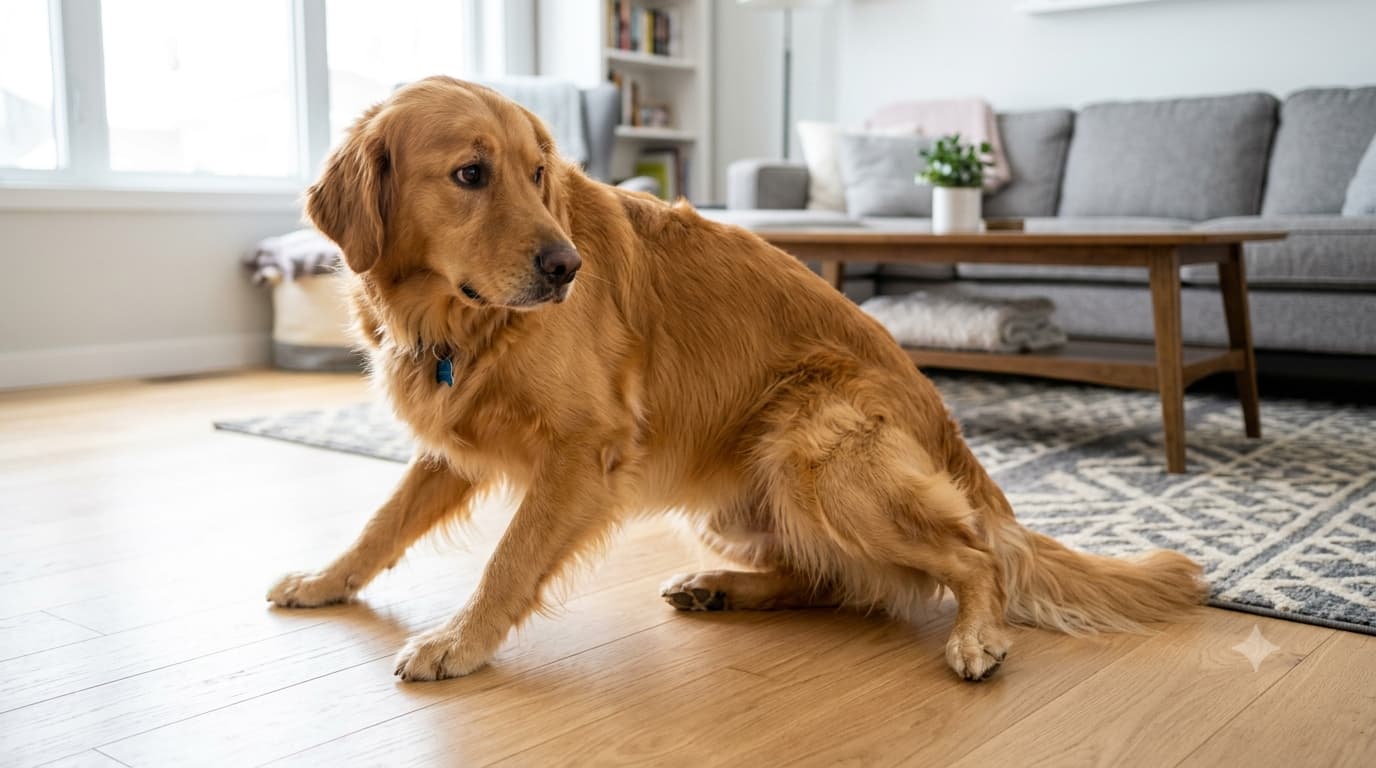
Have you ever seen your dog suddenly drag their bottom across the floor or carpet and wondered, why is my dog scooting? While it might look funny at first, scooting is usually your dog’s way of telling you that something isn’t right. In many cases, it’s caused by irritation, itching, or discomfort around the rear end.
Occasional scooting isn’t always a reason to panic. Your dog may simply have something stuck in their fur after going to the bathroom. However, if the scooting happens repeatedly or is accompanied by redness, swelling, bleeding, a bad odor, or difficulty sitting, it could indicate a health problem that needs attention.
The most common causes include full anal glands, allergies, intestinal parasites, skin irritation, or poor hygiene. Fortunately, many of these issues can be treated once the underlying cause is identified.
In this guide, you’ll discover 10 common reasons why your dog is scooting, learn when the behavior is completely normal, recognize warning signs that shouldn’t be ignored, and know when it’s time to visit a veterinarian.
Table of Contents
🐾 Quick Overview
| Question | Answer |
|---|---|
| Why is my dog scooting? | Scooting is often caused by anal gland problems, allergies, parasites, skin irritation, or something stuck around the rear end. |
| Is scooting normal? | ✅ Occasional scooting may be harmless, but frequent scooting should be investigated. |
| What is the most common cause? | Impacted or full anal glands are one of the most common reasons dogs scoot. |
| Can worms cause scooting? | ✅ Yes. Certain intestinal parasites can cause itching around the anus. |
| When should I see a veterinarian? | If scooting continues, becomes frequent, or is accompanied by bleeding, swelling, pain, or a foul odor. |
🦴 Reason #1 – Full or Impacted Anal Glands
One of the most common answers to why is my dog scooting is full or impacted anal glands. Dogs have two small anal glands that normally empty during bowel movements. If these glands don’t empty properly, they can become full, irritated, or even infected, causing your dog to drag their bottom across the floor.
Common signs include:
- 🍑 Frequent scooting on carpets or grass
- 👅 Excessive licking under the tail
- 😣 Discomfort while sitting
- 👃 Strong fishy odor
- 🩸 Swelling or redness around the anus
If left untreated, impacted anal glands can become painful or infected. Your veterinarian can safely examine and treat the problem if necessary.
💡 Tip: Feeding a balanced diet with enough fiber may help produce firmer stools, which naturally help empty the anal glands during bowel movements.
🌿 Reason #2 – Allergies Causing Skin Irritation
Another common answer to why is my dog scooting is allergies. Just like humans, dogs can develop allergies to certain foods, pollen, dust mites, grass, or flea bites. These allergies often cause itching around the rear end, making your dog scoot across the floor for relief.
Common signs of allergies include:
- 🌿 Constant itching around the tail
- 🐾 Frequent licking or chewing the skin
- 🔴 Red or inflamed skin
- 🦴 Recurring ear infections
- 🍗 Sensitive stomach or food reactions
If your dog scoots seasonally or after eating certain foods, allergies could be the underlying cause. Identifying the trigger with your veterinarian can help reduce future flare-ups.
💡 Tip: Keeping your dog’s skin clean, using flea prevention year-round, and feeding a high-quality diet may help reduce allergy-related irritation.
Why Is My Dog Chewing Everything?
🪱 Reason #3 – Intestinal Parasites (Worms)
If you’ve been wondering why is my dog scooting, intestinal parasites are another possible explanation. Certain worms, especially tapeworms, can irritate the area around your dog’s anus, causing intense itching and repeated scooting.
Other signs of intestinal parasites include:
- 🪱 Small rice-like segments near the anus or in stool
- ⚖️ Unexplained weight loss
- 🤮 Occasional vomiting
- 💩 Changes in bowel movements
- 😴 Low energy levels
Parasites are usually diagnosed with a stool sample and can often be treated with prescription deworming medication from your veterinarian.
⚠️ Warning: Regular deworming and routine fecal examinations are the best ways to protect your dog from intestinal parasites and prevent recurring scooting.
💩 Reason #4 – Feces Stuck Around the Fur
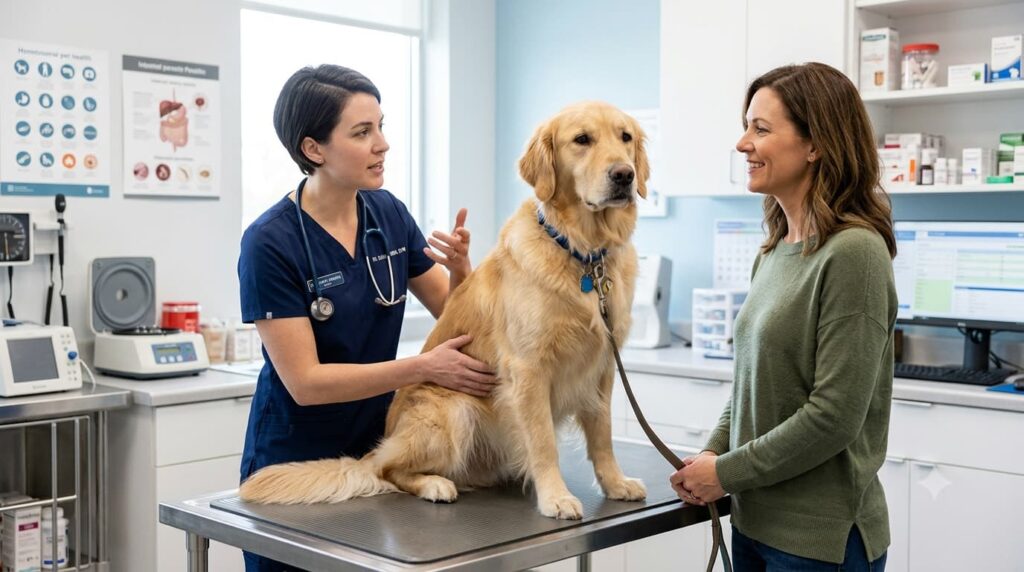
If you’re asking why is my dog scooting, the problem may be much simpler than you think. Sometimes, small pieces of feces become stuck to the fur around your dog’s rear end, especially in long-haired breeds. This can cause irritation and make your dog drag their bottom across the floor to remove the discomfort.
Dogs are more likely to scoot if they have:
- 🐕 Long or thick fur around the rear
- 💩 Soft or sticky stools
- ✂️ Poor grooming habits
- 🚿 Dirt or debris trapped in the fur
- 🌧️ Wet or muddy fur after outdoor activities
Regular grooming and keeping the area clean can often prevent this type of scooting.
💡 Tip: Check your dog’s rear after bowel movements, especially if they have long hair. Trimming the fur around the anus can help keep the area clean.
🦠 Reason #5 – Skin Infection or Irritation
Another possible answer to why is my dog scooting is a skin infection or irritation around the anal area. Bacterial or yeast infections can make the skin itchy, inflamed, and uncomfortable, encouraging your dog to scoot for relief.
Common symptoms include:
- 🔴 Red or swollen skin
- 🤕 Constant itching
- 👅 Excessive licking or chewing
- 🤢 Unpleasant odor
- 💧 Moist or irritated skin around the tail
Skin infections usually require proper treatment, which may include medicated shampoos, creams, or prescription medication recommended by your veterinarian.
⚠️ Warning: Avoid applying human creams or medications without veterinary advice, as some ingredients can be harmful to dogs.
🪳 Reason #6 – Fleas or Flea Allergy
If you’ve been wondering why is my dog scooting, fleas could be the culprit. Even a few flea bites can cause intense itching around your dog’s tail and rear end. Some dogs are also allergic to flea saliva, making the irritation much worse.
Common signs of fleas include:
- 🪳 Frequent scratching
- 🐾 Biting or chewing the base of the tail
- 🔴 Red, irritated skin
- ⚫ Tiny black flea dirt in the coat
- 💨 Restlessness and constant itching
Year-round flea prevention is the best way to protect your dog from flea-related skin problems and scooting.
💡 Tip: Treat all pets in your home and wash your dog’s bedding regularly to help prevent flea infestations.
🍽️ Reason #7 – Poor Diet or Digestive Problems
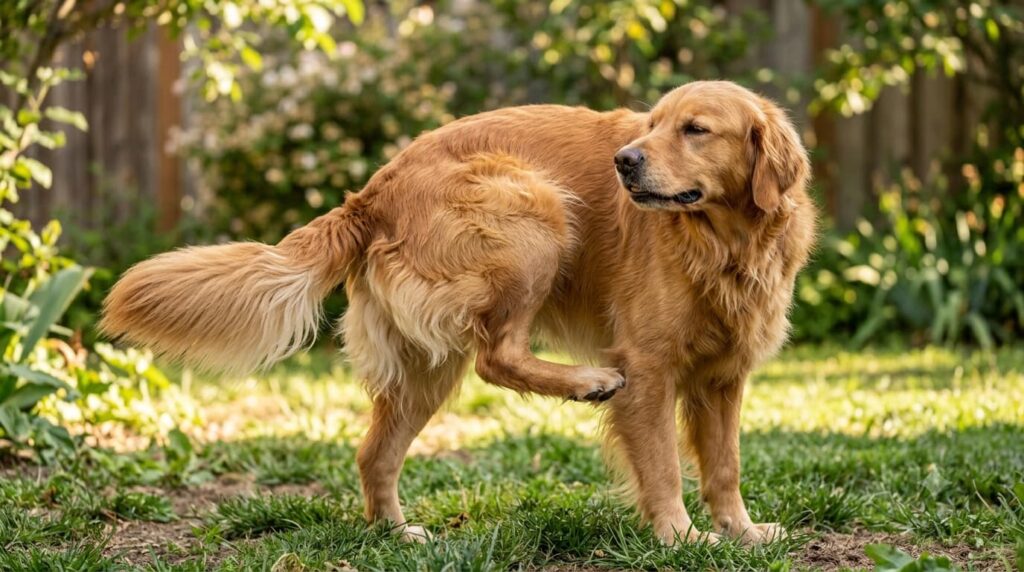
Another common answer to why is my dog scooting is poor digestion. Soft stools or frequent diarrhea may prevent the anal glands from emptying naturally during bowel movements. Over time, this can lead to irritation and repeated scooting.
Digestive problems may include:
- 💩 Soft or loose stools
- 🤢 Frequent diarrhea
- 🍗 Food sensitivities
- 🌾 Low-fiber diet
- 🦠 Digestive upset after changing foods
Feeding a balanced, high-quality diet supports healthy digestion and helps produce firm stools, which naturally empty the anal glands.
💡 Tip: If you’re changing your dog’s food, do it gradually over 7–10 days to reduce the risk of digestive upset.
🧬 Reason #8 – Tumors or Growths Near the Anal Area
Although less common, a lump or growth near the anus can also explain why is my dog scooting. These growths may irritate the surrounding skin, making it uncomfortable for your dog to sit or walk normally.
Warning signs include:
- 🔴 A visible lump near the anus
- 🩸 Bleeding or discharge
- 😣 Pain while sitting
- 💩 Difficulty passing stool
- 📈 Scooting that gradually becomes worse
Not every lump is cancerous, but any new growth should be examined by a veterinarian as soon as possible.
⚠️ Warning: Never ignore a lump or swelling around your dog’s rear end. Early diagnosis often leads to better treatment outcomes.
🤕 Reason #9 – Injury or Trauma
Another possible answer to why is my dog scooting is an injury around the tail or anal area. A cut, scrape, insect bite, or minor trauma can make the skin sore and itchy, encouraging your dog to drag their bottom across the ground.
Signs of an injury include:
- 🩸 Small cuts or scratches
- 🔴 Swelling or redness
- 👅 Excessive licking
- 😣 Sensitivity when touched
- 🐕 Reluctance to sit comfortably
Keeping the area clean and having your veterinarian examine more serious injuries can help prevent infection and speed up healing.
💡 Tip: After outdoor adventures, quickly check your dog’s tail and rear for cuts, burrs, or insect bites.
🐕 Reason #10 – Habit or Behavioral Scooting
Sometimes, the answer to why is my dog scooting isn’t a medical problem at all. A few dogs continue scooting out of habit after the original irritation has disappeared, while others may do it occasionally simply because it briefly relieves mild itching.
Behavioral scooting is usually:
- ✅ Infrequent
- ✅ Short-lasting
- ✅ Not painful
- ✅ Unaccompanied by redness or swelling
- ✅ Not associated with changes in appetite or energy
Even so, if the behavior becomes frequent or suddenly changes, it’s important to rule out medical causes before assuming it’s only a habit.
💡 Tip: If scooting continues for more than a day or becomes a regular behavior, schedule a veterinary checkup instead of waiting for it to resolve on its own.
🩺 When Should You See a Veterinarian?
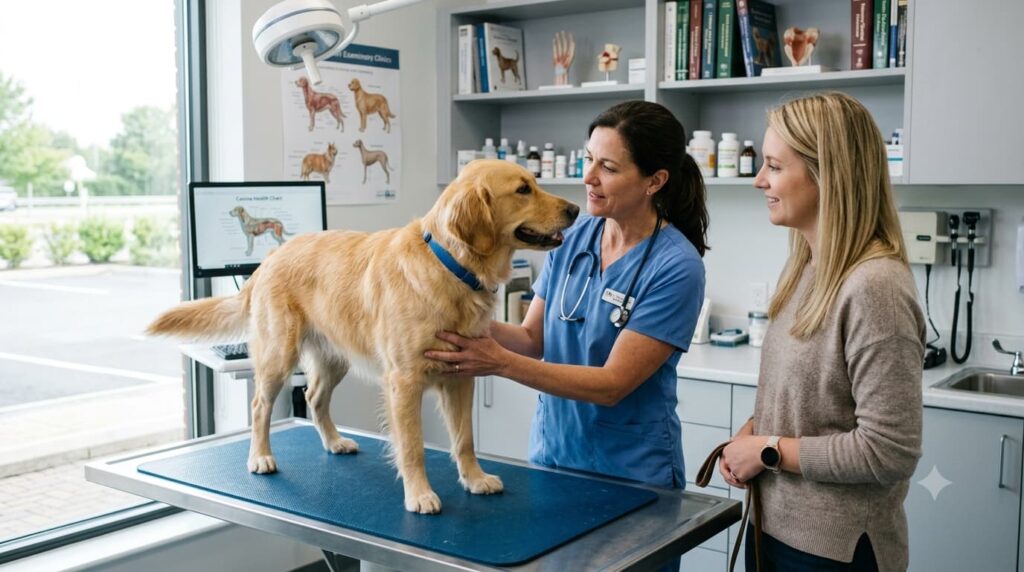
Occasional scooting isn’t always an emergency, but frequent scooting should never be ignored.
Contact your veterinarian if your dog has:
- 🚨 Scooting several times a day
- 🩸 Bleeding or discharge
- 🍑 Swelling around the anus
- 🤢 A strong fishy odor
- 💩 Difficulty passing stool
- 😣 Signs of pain or constant licking
Early treatment can prevent minor irritation from developing into a more serious problem, such as an infected anal gland or skin infection.
❓ Frequently Asked Questions (FAQs)
1. Is it normal for dogs to scoot occasionally?
Yes. An occasional scoot may simply mean your dog has temporary irritation or something stuck in the fur. Frequent scooting, however, should be investigated.
2. What is the most common reason dogs scoot?
The most common cause is full or impacted anal glands, although allergies and intestinal parasites are also frequent causes.
3. Can worms make my dog scoot?
Yes. Tapeworms and other intestinal parasites can irritate the anal area, causing itching and scooting.
4. Can I express my dog’s anal glands at home?
Some owners do, but it should only be done if you’ve been properly shown how by a veterinarian or qualified groomer. Incorrect technique can cause pain or injury.
5. When is scooting considered an emergency?
Seek veterinary care immediately if scooting is accompanied by severe pain, bleeding, a large swelling, difficulty passing stool, or your dog seems extremely uncomfortable.
6. How Do You Treat a Scooting Dog?
Treatment depends on the cause, such as anal gland problems, parasites, or skin irritation. If scooting is frequent or persistent, have your dog checked by a veterinarian rather than trying to treat the cause yourself.
7. When Should I Worry About Dog Scooting?
Be concerned if scooting is frequent, persistent, or accompanied by swelling, redness, pain, bleeding, or excessive licking. In these cases, have your dog checked by a veterinarian.
8. Do Dogs Scoot When They Have Worms?
Yes, some dogs may scoot when they have intestinal worms, especially tapeworms. However, scooting can also be caused by anal gland problems or skin irritation.
📝 Conclusion
If you’ve been asking why is my dog scooting, the cause could be as simple as temporary irritation or as serious as an anal gland problem or skin infection. While an occasional scoot usually isn’t a reason to panic, frequent scooting, especially when combined with pain, swelling, bleeding, or a foul odor, should never be ignored.
By paying attention to your dog’s symptoms, maintaining good hygiene, providing a balanced diet, and scheduling regular veterinary checkups, you can help prevent many of the common causes of scooting. If you’re ever unsure why your dog keeps scooting, the safest choice is to consult your veterinarian for a proper diagnosis and treatment plan.