Introduction
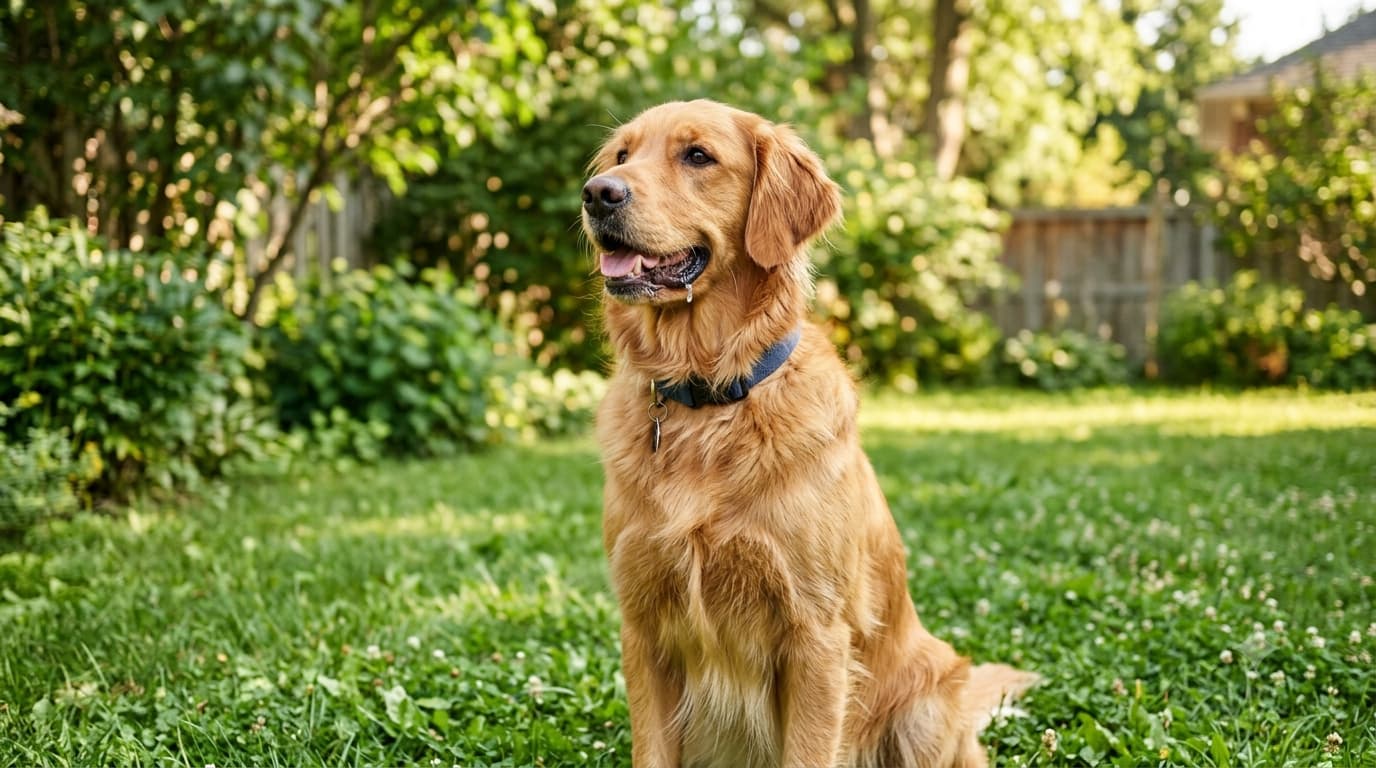
Have you recently noticed your dog drooling more than usual and wondered, why is my dog drooling? Seeing extra saliva around your dog’s mouth can be surprising, especially if it’s something you’ve never noticed before. The good news is that drooling isn’t always a sign that something is wrong. In many cases, it’s a completely normal behavior.
Dogs naturally produce saliva to help them eat, digest food, and keep their mouths healthy. Some breeds, such as Saint Bernards, Bloodhounds, and Mastiffs, are also known for drooling much more than others because of their facial structure. However, sudden or excessive drooling can sometimes indicate problems such as dental disease, mouth injuries, nausea, overheating, stress, or even a more serious medical condition.
Knowing the difference between normal drooling and abnormal drooling can help you decide whether your dog simply needs a little rest or should be examined by a veterinarian.
In this guide, you’ll learn 10 common reasons why your dog is drooling, discover when drooling is perfectly normal, recognize warning signs that shouldn’t be ignored, and find practical tips to help keep your dog healthy and comfortable.
Table of Contents
🐾 Quick Overview
| Question | Answer |
|---|---|
| Why is my dog drooling? | It may be caused by excitement, food, heat, stress, dental problems, nausea, or an underlying medical condition. |
| Is drooling always a problem? | ❌ No. Many dogs drool naturally, especially certain breeds. |
| When should I worry? | If drooling starts suddenly, becomes excessive, or occurs with vomiting, swelling, difficulty eating, or unusual behavior. |
| Can hot weather cause drooling? | ✅ Yes. Dogs often drool more while trying to cool themselves. |
| Should I see a veterinarian? | Yes, if excessive drooling continues or your dog develops other concerning symptoms. |
🦴 Reason #1 – Your Dog Is Excited or Anticipating Food
One of the most common answers to why is my dog drooling is simple excitement. Just like people may salivate when they smell their favorite meal, dogs naturally produce more saliva when they see food or expect a treat.
Common situations include:
- 🍖 Smelling food being prepared
- 🦴 Seeing their favorite treats
- 🥣 Waiting for mealtime
- 🎉 Getting excited during training
In these situations, drooling is completely normal and usually stops soon after your dog eats.
💡 Tip: If your dog only drools around food and behaves normally the rest of the day, there’s usually no reason to worry.
🦷 Reason #2 – Dental Problems or Mouth Pain
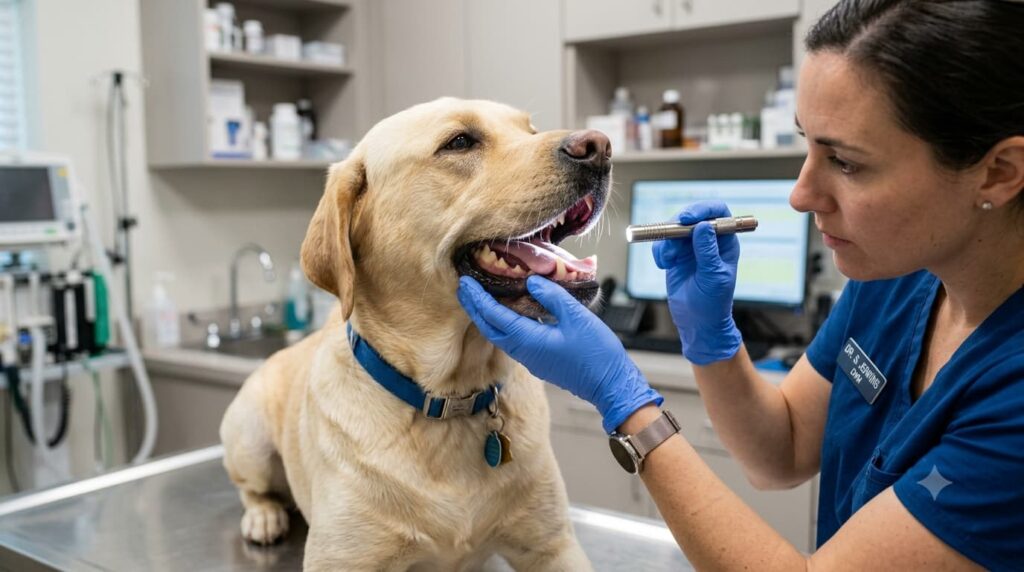
If you’re wondering why is my dog drooling, one of the most common medical causes is dental disease or mouth pain. Gum infections, broken teeth, mouth ulcers, or even food stuck between the teeth can increase saliva production. Dogs often drool because saliva helps soothe irritation and protect the mouth.
Signs to watch for:
- 🦷 Bad breath
- 🩸 Bleeding or swollen gums
- 🍖 Difficulty chewing food
- 🐾 Pawing at the mouth
- 😣 Refusing hard treats or toys
Ignoring dental problems can lead to pain, infection, and tooth loss. Regular dental checkups and good oral hygiene can help prevent many of these issues.
💡 Tip: If your dog’s drooling is accompanied by bad breath or difficulty eating, schedule a veterinary dental exam.
😰 Reason #3 – Stress, Anxiety, or Fear
Another possible answer to why is my dog drooling is emotional stress. Some dogs produce extra saliva when they feel nervous, scared, or overwhelmed. This type of drooling usually disappears once the stressful situation is over.
Common stress triggers include:
- 🎆 Fireworks or thunderstorms
- 🚗 Car rides
- 🏥 Veterinary visits
- 👥 Meeting unfamiliar people
- 🏠 Separation from family members
You may also notice pacing, trembling, whining, hiding, or excessive panting along with drooling.
Helping your dog feel safe through positive reinforcement, a calm environment, and a predictable routine can reduce anxiety-related drooling.
💡 Tip: If stress-related drooling happens frequently, speak with your veterinarian or a qualified dog behavior professional for guidance.
🤢 Reason #4 – Nausea or Motion Sickness
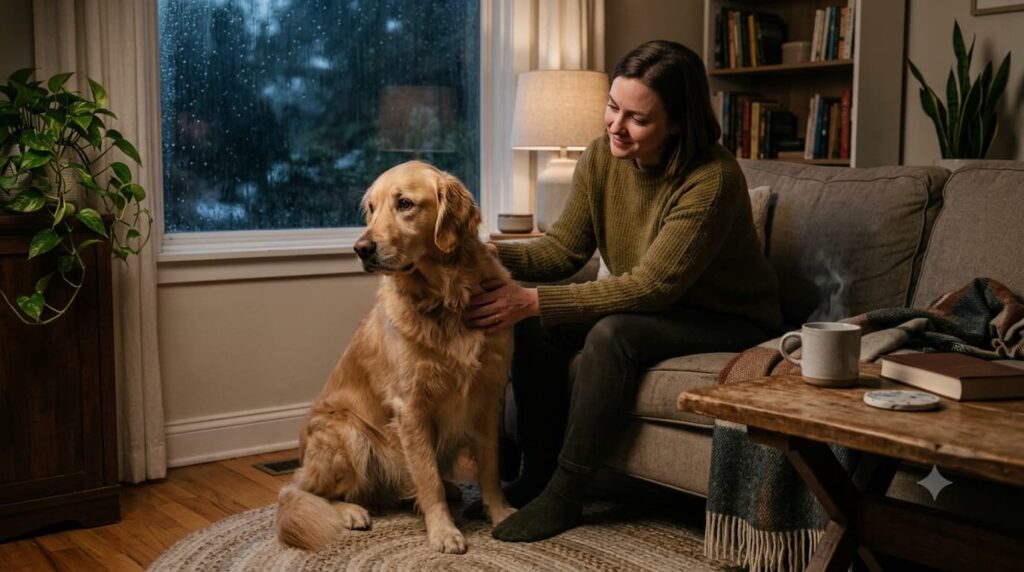
If you’ve been asking why is my dog drooling, nausea could be the answer. Dogs often produce extra saliva when they feel sick to their stomach. Motion sickness, eating spoiled food, sudden diet changes, or digestive upset can all trigger excessive drooling.
Other signs of nausea include:
- 🤮 Vomiting or dry heaving
- 👅 Frequent lip licking
- 😔 Loss of appetite
- 🚶 Restlessness
- 💧 Repeated swallowing
Some dogs also drool heavily during long car rides because motion sickness makes them feel uncomfortable.
💡 Tip: If your dog only drools during travel, talk to your veterinarian about safe ways to reduce motion sickness before long trips.
🌡️ Reason #5 – Overheating or Heatstroke
Hot weather is another common reason why your dog is drooling. Since dogs don’t sweat like humans, they rely on panting and saliva to help cool their bodies. Mild drooling after exercise or on a warm day is usually normal.
However, excessive drooling combined with overheating can become dangerous very quickly.
Warning signs of heatstroke:
- 🌡️ Heavy panting
- 💧 Thick, excessive drooling
- 🔴 Bright red gums
- 😵 Weakness or collapse
- 🚨 Difficulty breathing
Heatstroke is a medical emergency. Move your dog to a cool, shaded area, offer fresh water, and contact a veterinarian immediately if symptoms don’t improve.
Why Is My Dog Panting at Night?
⚠️ Warning: Never leave your dog inside a parked car—even for a few minutes. Temperatures can rise rapidly and become life-threatening.
🦴 Reason #6 – Something Is Stuck in Your Dog’s Mouth or Throat
If you’re wondering why is my dog drooling, check whether something is irritating your dog’s mouth. Small bones, sticks, grass, toy pieces, or other foreign objects can become lodged between the teeth or in the throat, causing discomfort and excessive saliva.
Common signs include:
- 🐾 Pawing at the mouth
- 🤢 Gagging or coughing
- 🍖 Difficulty chewing or swallowing
- 😣 Keeping the mouth slightly open
- 💧 Sudden, continuous drooling
If you can clearly see a loose object near the front of the mouth, you may be able to remove it carefully. However, never reach deep into your dog’s throat, as this could push the object farther in or cause injury.
⚠️ Warning: If your dog is choking, struggling to breathe, or the object cannot be removed safely, seek emergency veterinary care immediately.
☠️ Reason #7 – Your Dog Ate Something Toxic or Irritating
Another possible answer to why is my dog drooling is exposure to a toxic or irritating substance. Certain plants, household cleaners, chemicals, medications, and some human foods can irritate your dog’s mouth or digestive system, leading to sudden excessive drooling.
Other warning signs may include:
- 🤮 Vomiting
- 😟 Restlessness
- 🚫 Refusing food or water
- 👅 Pawing or licking the mouth repeatedly
- 😴 Weakness or unusual behavior
Quick action is important if you suspect poisoning. Try to identify what your dog may have eaten and contact your veterinarian immediately for guidance.
💡 Tip: Keep household chemicals, medications, and toxic foods safely out of your dog’s reach to help prevent accidental poisoning.
❤️ Reason #8 – An Underlying Medical Condition
Sometimes, why is my dog drooling doesn’t have a simple answer. Persistent or excessive drooling can occasionally be linked to an underlying health problem that requires veterinary attention. Conditions affecting the mouth, stomach, liver, kidneys, or nervous system may all increase saliva production.
Contact your veterinarian if drooling is accompanied by:
- 🚫 Loss of appetite
- 🤮 Repeated vomiting
- 😴 Extreme tiredness
- ⚖️ Unexplained weight loss
- 😣 Difficulty swallowing or eating
While these conditions are less common than excitement or dental problems, they shouldn’t be ignored if the symptoms continue or worsen.
💡 Tip: Keep a note of when the drooling started, how often it happens, and any other symptoms. This information can help your veterinarian identify the cause more quickly.
💊 Reason #9 – Certain Medications Can Increase Drooling
If you’ve recently started a new medication and noticed excessive saliva, you may be asking, why is my dog drooling. Some medications can temporarily increase saliva production or cause mild nausea, leading to more drooling than usual.
This may happen after:
- 💊 Starting a new prescription
- 🩺 Recovering from surgery
- 🤢 Medications that upset the stomach
- 😴 Drugs that affect the nervous system
Never stop giving prescribed medication without speaking to your veterinarian. If the drooling is severe or your dog develops other unusual symptoms, contact your vet for advice.
💡 Tip: Keep a record of when the medication started and when the drooling began. This can help your veterinarian determine whether the two are related.
🐶 Reason #10 – Some Dog Breeds Naturally Drool More
Sometimes the answer to why is my dog drooling is simply genetics. Certain breeds naturally produce more saliva because of their loose lips and facial structure. For these dogs, mild drooling is completely normal and doesn’t usually indicate a health problem.
Breeds known for heavy drooling include:
- 🐕 Saint Bernard
- 🐕 Bloodhound
- 🐕 Mastiff
- 🐕 Newfoundland
- 🐕 Bulldog
If your dog belongs to one of these breeds and has always drooled, there’s usually no reason to worry unless the amount suddenly increases or other symptoms appear.
💡 Tip: If your dog’s drooling suddenly becomes much heavier than normal, even for a naturally drooling breed, it’s a good idea to schedule a veterinary checkup.
🩺 When Should You See a Veterinarian?
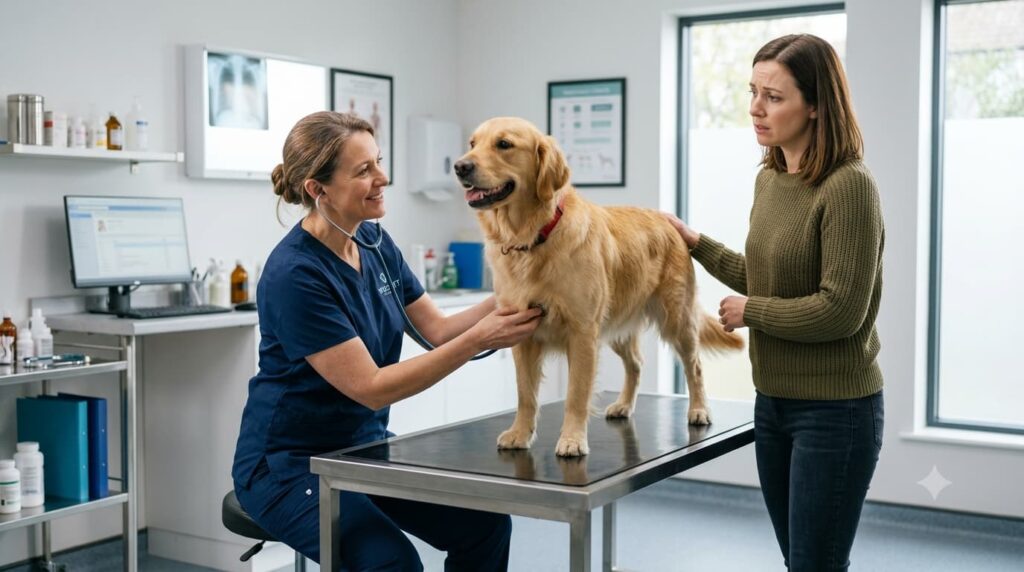
A small amount of drooling is completely normal for many dogs, especially around food or after exercise. However, you should schedule a veterinary visit if the drooling is sudden, excessive, or continues for more than a day without an obvious reason.
Seek veterinary care immediately if your dog is drooling along with:
- 🚨 Difficulty breathing
- 🤮 Repeated vomiting
- 🩸 Bleeding from the mouth
- 🍖 Difficulty swallowing
- 😵 Collapse or severe weakness
- ☠️ Suspected poisoning
Early diagnosis can help prevent minor problems from becoming serious health issues.
❓ Frequently Asked Questions (FAQs)
1. Is it normal for dogs to drool?
Yes. Many dogs drool naturally, especially after seeing food, exercising, or in warm weather. Some breeds also drool much more than others.
2. Why is my dog suddenly drooling so much?
Sudden excessive drooling may be caused by dental pain, nausea, stress, overheating, a foreign object, or an underlying illness. If it continues or other symptoms appear, contact your veterinarian.
3. Can anxiety cause a dog to drool?
Yes. Stress, fear, fireworks, thunderstorms, and veterinary visits can all cause temporary drooling in some dogs.
4. Should I worry if my dog is drooling with bad breath?
Yes. Bad breath combined with excessive drooling may indicate dental disease, gum infection, or another oral health problem that should be examined by a veterinarian.
5. When is drooling considered an emergency?
Drooling becomes an emergency when it’s accompanied by choking, difficulty breathing, repeated vomiting, collapse, seizures, or suspected poisoning.
6. Should I Be Worried If My Dog Is Drooling?
Occasional drooling can be normal, but sudden or excessive drooling may indicate nausea, dental problems, pain, or illness. If it persists or comes with other unusual symptoms, contact a veterinarian.
7. Why Is My Dog’s Mouth Dripping Saliva?
A dog’s mouth may drip saliva because of excitement, nausea, heat, dental problems, or something irritating the mouth. Sudden or excessive drooling, especially with other unusual symptoms, should be checked by a veterinarian.
8. Do Dogs Drool When They Are in Pain?
Yes, excessive or sudden drooling can sometimes be a sign of pain, especially with dental or mouth problems. If it continues or comes with other unusual symptoms, contact a veterinarian
📝 Conclusion
If you’ve been asking why is my dog drooling, the answer depends on the situation. Occasional drooling around food, excitement, or hot weather is usually normal. However, sudden or excessive drooling—especially when combined with symptoms like vomiting, difficulty eating, swelling, or unusual behavior—can signal a health problem that needs attention.
By paying close attention to your dog’s behavior and recognizing the warning signs early, you can help keep them safe and healthy. If you’re ever unsure about the cause of your dog’s drooling, it’s always best to consult your veterinarian for professional advice.