
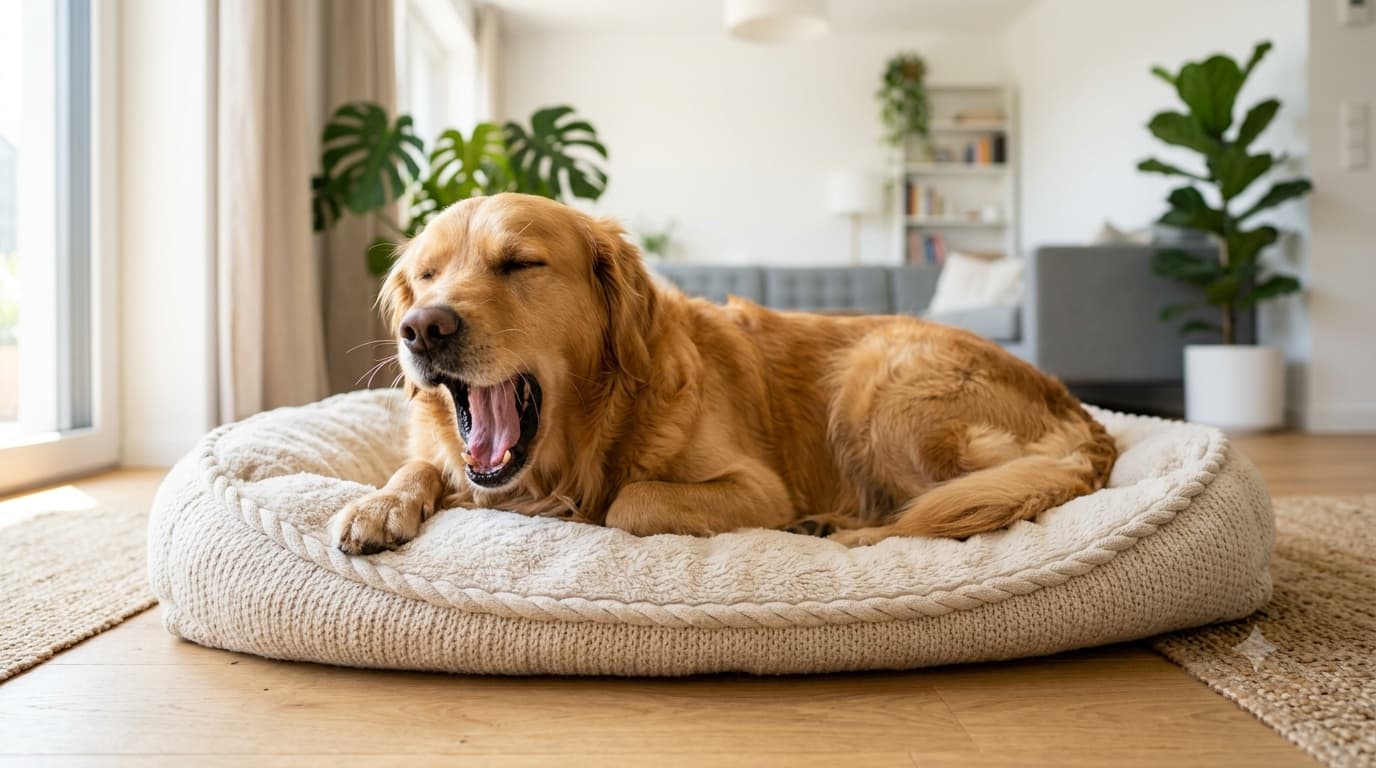
Have you noticed your dog yawning over and over again and started wondering, why is my dog yawning so much? While an occasional yawn is completely normal, frequent yawning can sometimes leave dog owners concerned. Is your dog simply tired, or could it be trying to tell you something more?
Just like humans, dogs yawn when they’re sleepy. However, yawning isn’t always about being tired. Dogs also use yawning as a form of communication. It can signal stress, anxiety, excitement, confusion, or even physical discomfort. In some cases, excessive yawning may point to an underlying medical condition that requires veterinary attention.
Understanding why your dog keeps yawning can help you respond appropriately and ensure your furry friend stays healthy and comfortable.
In this guide, you’ll learn 10 common reasons why your dog is yawning so much, discover when this behavior is completely normal, recognize warning signs that shouldn’t be ignored, and know when it’s time to visit a veterinarian.
Table of Contents
🐾 Quick Overview
| Question | Answer |
|---|---|
| Why is my dog yawning so much? | Common reasons include tiredness, stress, anxiety, excitement, discomfort, or an underlying health problem. |
| Is frequent yawning normal? | ✅ Sometimes. Occasional yawning is normal, but repeated yawning without an obvious reason deserves attention. |
| Can stress cause yawning? | ✅ Yes. Dogs often yawn when they feel nervous, anxious, or uncomfortable. |
| Should I worry? | If yawning is excessive or accompanied by pain, panting, drooling, or behavior changes. |
| When should I see a veterinarian? | If excessive yawning continues for several days or occurs alongside other unusual symptoms. |
😴 Reason #1 – Your Dog Is Simply Tired
The simplest answer to why is my dog yawning so much is that your dog is sleepy. Just like people, dogs yawn when they’re tired and ready to rest.
Common situations include:
- 🛏️ Before bedtime
- 🌅 After waking up
- 🐕 Following a long walk
- 🎾 After an active play session
If your dog yawns a few times before taking a nap and otherwise behaves normally, there’s usually nothing to worry about.
💡 Tip: Healthy adult dogs typically sleep 12–14 hours each day, while puppies and senior dogs often need even more rest.
😰 Reason #2 – Stress or Anxiety
One of the most common answers to why is my dog yawning so much is stress or anxiety. Dogs often yawn as a calming signal when they feel nervous, overwhelmed, or uncomfortable. It’s their natural way of coping with stressful situations.
Common stress triggers include:
- 🎆 Fireworks or thunderstorms
- 🏥 Veterinary visits
- 🚗 Long car rides
- 👥 Meeting unfamiliar people or dogs
- 🏠 Being left alone for long periods
If your dog keeps yawning while also pacing, whining, trembling, or avoiding eye contact, stress may be the underlying cause.
💡 Tip: Creating a calm environment and using positive reinforcement can help reduce anxiety-related yawning.
🎉 Reason #3 – Excitement or Emotional Overload
Believe it or not, dogs don’t only yawn when they’re sleepy or stressed. If you’ve been wondering why is my dog yawning so much, excitement could also be the reason.
When dogs become overly excited, they sometimes yawn to help regulate their emotions. This commonly happens before a walk, during training, when visitors arrive, or while playing their favorite game.
You may notice yawning when your dog is:
- 🦴 Waiting for a treat
- 🚪 Excited for a walk
- 🎾 Playing with you
- ❤️ Greeting family members
- 🐕 Meeting another friendly dog
This type of yawning is usually brief and isn’t a cause for concern unless it’s accompanied by other unusual symptoms.
💡 Tip: Watch your dog’s overall body language. A relaxed tail, playful posture, and bright eyes usually indicate happy excitement rather than fear.
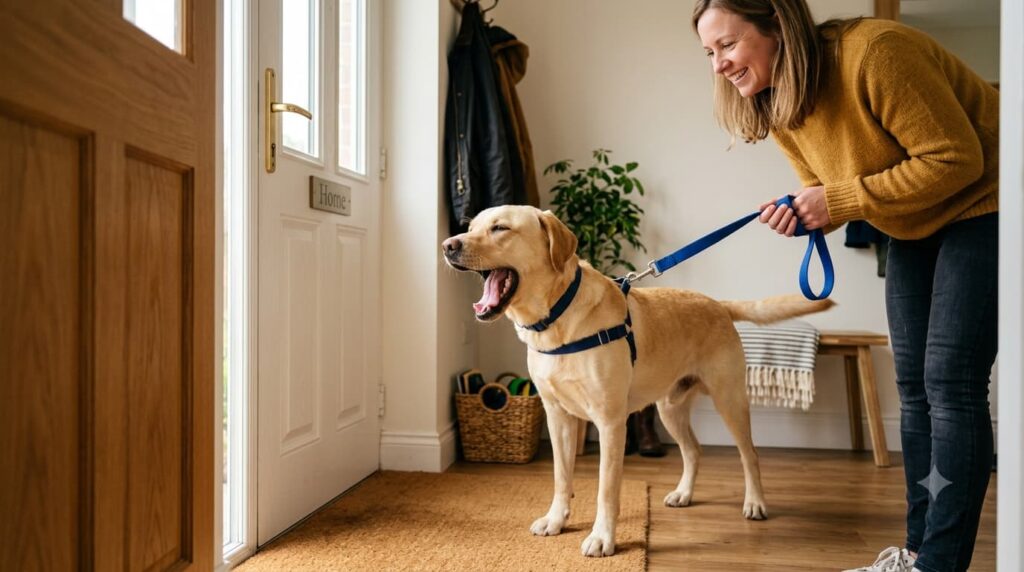
🧠 Reason #4 – Your Dog Is Trying to Communicate
If you’re asking why is my dog yawning so much, your dog may simply be trying to communicate. Dogs use body language much more than barking, and yawning is one of their calming signals. It can tell other dogs—or even people—that they want to avoid conflict or feel uncertain.
Your dog may yawn when:
- 🐕 Meeting an unfamiliar dog
- 👶 Being hugged or handled too much
- 🎓 During training sessions
- 👀 Feeling confused by your commands
- 🤝 Trying to calm a tense situation
Yawning in these moments doesn’t necessarily mean your dog is tired. Instead, it’s often a polite way of saying, “I’m uncomfortable,” or “Let’s stay calm.”
💡 Tip: Pay attention to your dog’s body language. Respecting these subtle signals helps build trust and reduces stress.
🤕 Reason #5 – Pain or Physical Discomfort
Another possible answer to why is my dog yawning so much is physical pain or discomfort. Some dogs yawn more frequently when they’re experiencing discomfort because it helps them cope with stress caused by pain.
Watch for these warning signs:
- 🐾 Limping or stiffness
- 🍽️ Loss of appetite
- 😣 Whining or restlessness
- 🤲 Sensitivity when touched
- 😴 Sleeping more than usual
Pain-related yawning may be caused by dental disease, ear infections, arthritis, injuries, or other medical conditions. Unlike normal yawning, it usually continues even when your dog is resting.
⚠️ Warning: If frequent yawning is combined with signs of pain or unusual behavior, schedule a veterinary examination as soon as possible.
🤢 Reason #6 – Nausea or an Upset Stomach
If you’re wondering why is my dog yawning so much, nausea could be the hidden reason. Just like people, dogs may yawn repeatedly when they feel sick to their stomach. This can happen after eating spoiled food, changing diets too quickly, or experiencing motion sickness during travel.
Other signs of nausea include:
- 🤮 Vomiting or dry heaving
- 👅 Excessive lip licking
- 💧 Drooling more than usual
- 🚫 Loss of appetite
- 🚶 Restlessness or pacing
If your dog’s yawning is followed by vomiting or continues for several hours, it’s best to contact your veterinarian to identify the underlying cause.
💡 Tip: Introduce new foods gradually over several days to help prevent stomach upset and digestive problems.
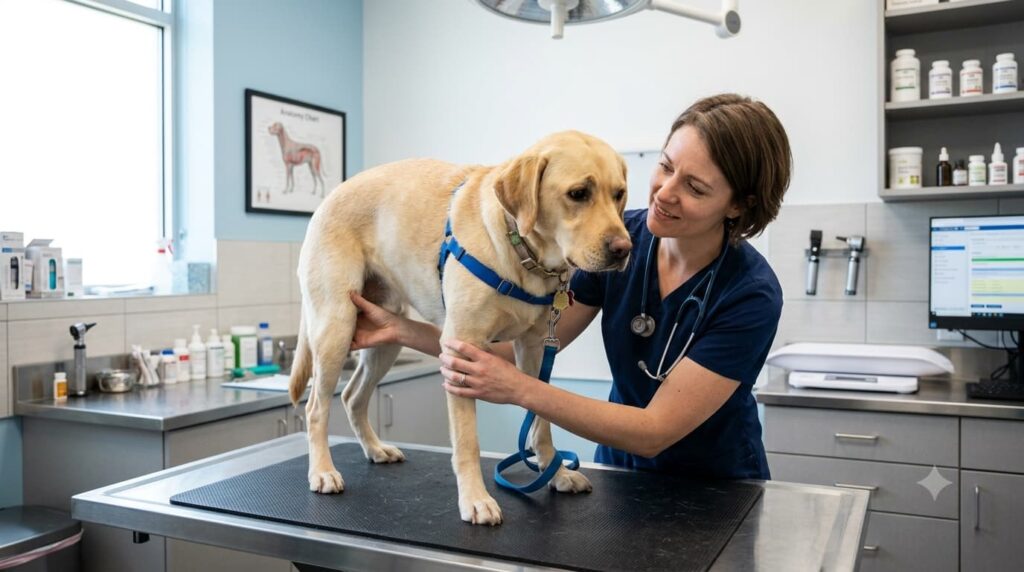
🌡️ Reason #7 – Overheating or Heat Stress
Another possible answer to why is my dog yawning so much is overheating. Although panting is the primary way dogs cool themselves, some dogs may also yawn repeatedly when they become uncomfortable from heat or physical exhaustion.
Signs your dog may be overheating:
- 🥵 Heavy panting
- 💧 Excessive drooling
- 😴 Weakness or tiredness
- 🔴 Bright red gums
- 🚨 Difficulty cooling down after exercise
If your dog is showing these symptoms, move them to a cool, shaded area immediately and provide fresh drinking water. Heatstroke can become life-threatening if left untreated.
⚠️ Warning: Avoid exercising your dog during the hottest part of the day, especially in summer. Early morning or evening walks are much safer.
🦷 Reason #8 – Dental Problems or Mouth Pain
If you’re asking why is my dog yawning so much, don’t overlook dental health. A sore tooth, inflamed gums, or another oral problem can make opening the mouth uncomfortable, causing your dog to yawn more often.
Common signs of dental problems include:
- 🦷 Bad breath
- 🩸 Bleeding or swollen gums
- 🍖 Difficulty chewing food
- 🐾 Pawing at the mouth
- 😣 Refusing hard treats or toys
Regular dental care can help prevent many oral health issues before they become painful.
💡 Tip: Brushing your dog’s teeth regularly and scheduling routine dental checkups can reduce the risk of painful dental disease.
💊 Reason #9 – An Underlying Medical Condition
Sometimes, why is my dog yawning so much may have an underlying medical cause. Although less common, certain neurological conditions, breathing problems, or chronic pain can lead to frequent yawning.
Contact your veterinarian if yawning occurs with:
- 😴 Extreme tiredness
- 🤒 Fever
- 🤮 Repeated vomiting
- 🚶 Difficulty walking
- 🫁 Trouble breathing
These symptoms don’t always indicate a serious illness, but they should never be ignored.
⚠️ Warning: Frequent yawning combined with unusual behavior or physical symptoms should always be evaluated by a veterinarian.
🐶 Reason #10 – Your Dog’s Breed or Individual Personality
Sometimes, the answer to why is my dog yawning so much is simply your dog’s personality. Just like people, every dog has unique habits. Some dogs naturally yawn more often than others, especially after relaxing, stretching, or waking up.
Normal yawning often happens:
- 🌅 After waking up
- 🛋️ While relaxing
- 🐕 After gentle exercise
- ❤️ During calm interactions with family
If your dog has always yawned frequently and shows no signs of illness, this behavior is usually nothing to worry about.
💡 Tip: Focus on changes in your dog’s normal behavior. A sudden increase in yawning is more important than how often your dog usually yawns.
🩺 When Should You See a Veterinarian?
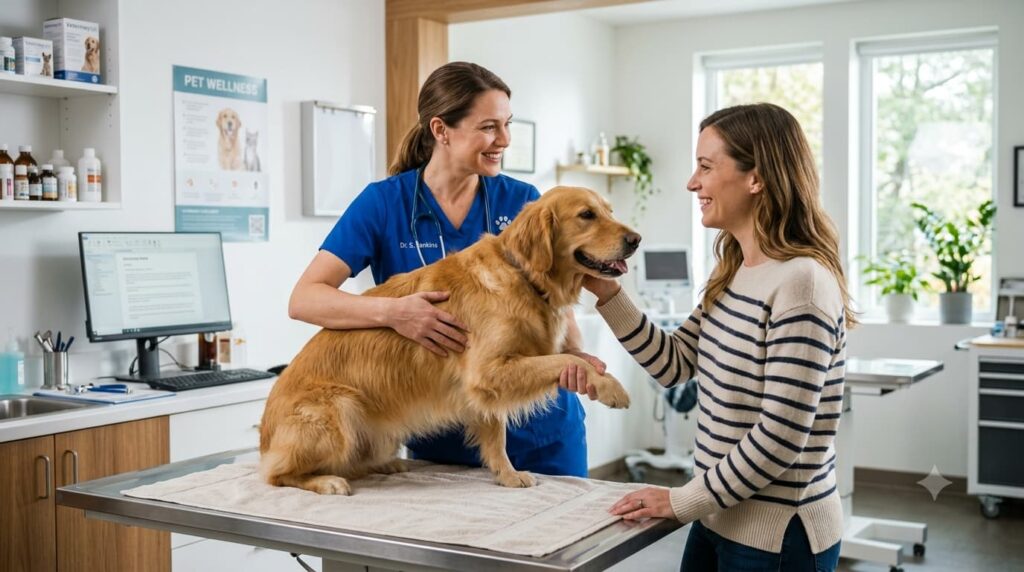
Occasional yawning is completely normal for most dogs. However, you should schedule a veterinary visit if excessive yawning continues for several days or is accompanied by other unusual symptoms.
Seek veterinary care if your dog has:
- 🚨 Difficulty breathing
- 🤮 Repeated vomiting
- 😣 Signs of pain
- 💧 Excessive drooling
- 🚫 Loss of appetite
- 😴 Extreme weakness or behavior changes
Early diagnosis can help identify health problems before they become more serious.
❓ Frequently Asked Questions (FAQs)
1. Is it normal for dogs to yawn a lot?
Yes. Dogs commonly yawn when they’re tired, relaxed, excited, or mildly stressed.
2. Can anxiety cause frequent yawning?
Absolutely. Stress and anxiety are among the most common reasons dogs yawn repeatedly.
3. Should I worry if my dog keeps yawning?
If your dog is otherwise healthy, occasional yawning is usually normal. However, frequent yawning with other symptoms should be checked by a veterinarian.
4. Can dental pain make a dog yawn more?
Yes. Mouth pain and dental disease can make opening the mouth uncomfortable, leading to repeated yawning.
5. What should I do if my dog suddenly starts yawning constantly?
Observe your dog’s behavior for other symptoms such as drooling, vomiting, pain, or breathing difficulty. If the yawning continues or worsens, contact your veterinarian.
6. Which Deficiency Causes Too Much Yawning?
There isn’t one specific deficiency known to directly cause excessive yawning. Frequent yawning can be linked to tiredness, poor sleep, stress, or other underlying issues.
7. What Does a Dog Stress Yawn Look Like?
A stress yawn may happen with other signs such as lip licking, avoiding eye contact, turning away, or a tense body. It usually occurs in situations where your dog feels nervous, uncomfortable, or overwhelmed.
8. Should I Be Worried If My Dog Yawns a Lot?
Occasional yawning is usually normal, but frequent yawning may be linked to stress, tiredness, or discomfort. If it suddenly increases or comes with other unusual signs, consult a veterinarian.
📝 Conclusion
If you’ve been wondering why is my dog yawning so much, the answer isn’t always as simple as being sleepy. Dogs may yawn because they’re tired, excited, stressed, trying to communicate, or experiencing physical discomfort. While occasional yawning is completely normal, frequent yawning that appears suddenly or occurs alongside symptoms like drooling, pain, vomiting, or behavior changes deserves closer attention.
By understanding your dog’s body language and recognizing the difference between normal and excessive yawning, you can respond appropriately and help keep your furry friend happy and healthy. When in doubt, it’s always safest to consult your veterinarian for professional advice.
1 thought on “Why Is My Dog Yawning So Much? 10 Common Reasons and When to Worry”