
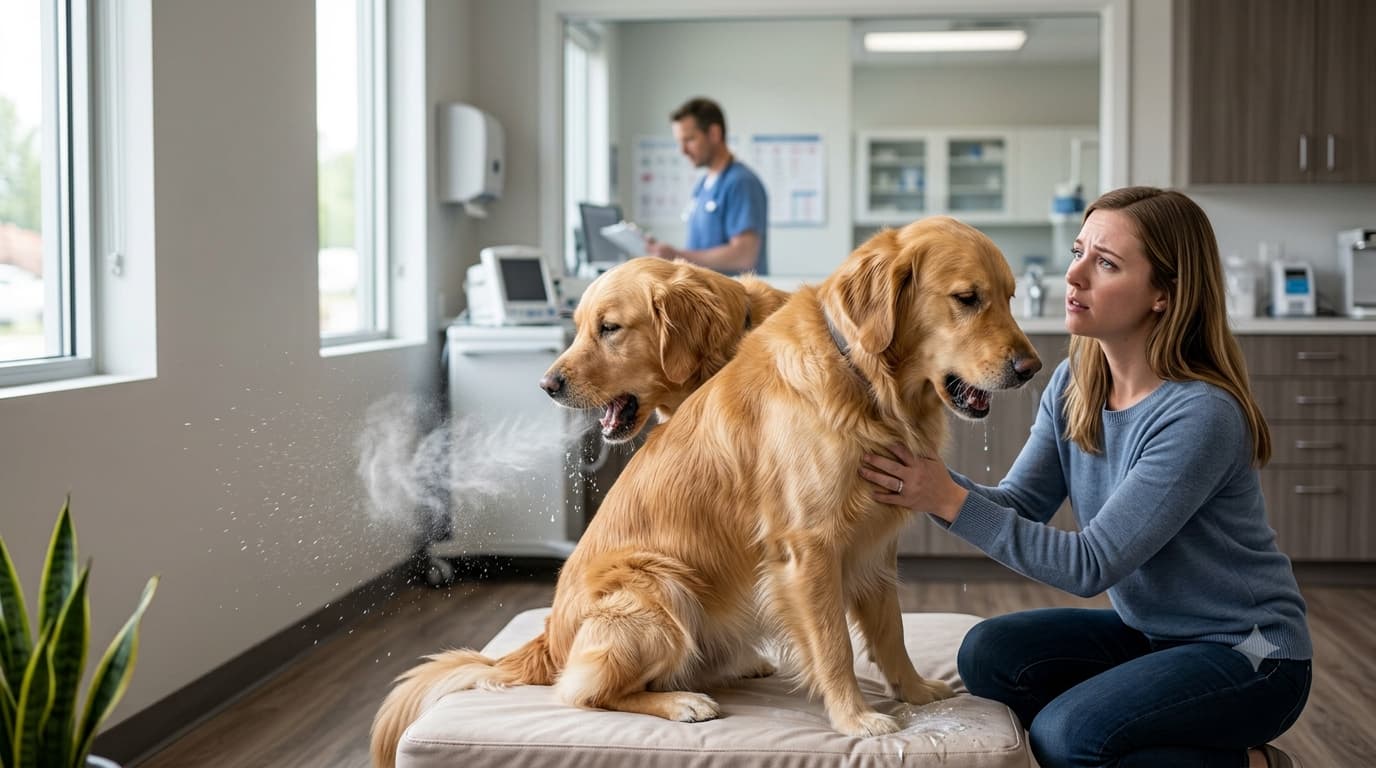
Have you ever been relaxing at home when your dog suddenly started coughing, making a strange hacking sound that left you worried?
If you’re here, chances are you’ve recently asked yourself, “Why is my dog coughing?”
You’re not alone.
Hearing your dog cough—even just once—can make any pet owner anxious. Some coughs are harmless and disappear within a day or two. Others can be an early warning sign of infections, heart disease, respiratory problems, or other serious health conditions.
As dog owners, we know our pets can’t tell us when something feels wrong. Instead, they communicate through changes in behavior, appetite, energy levels, and sounds like coughing. That’s why paying attention to a persistent cough is so important.
The good news is that not every cough is an emergency. However, understanding why is my dog coughing can help you decide whether your dog simply needs rest or should be examined by a veterinarian immediately.
In this complete guide, you’ll learn the 11 most common causes of coughing in dogs, warning signs you should never ignore, simple home care tips, and exactly when it’s time to call your vet.
Table of Contents
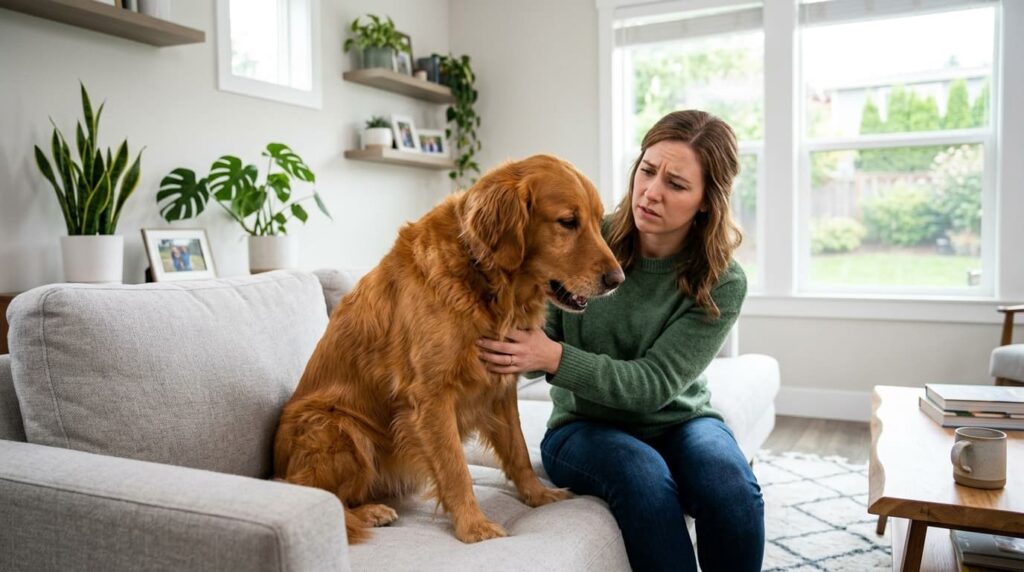
Why Is My Dog Coughing?
There isn’t just one answer to why is my dog coughing.
Just like humans, dogs cough for many different reasons. Sometimes it’s as simple as a little dust irritating their throat. Other times, coughing can be the first sign of a more serious medical condition.
The most common causes include:
- Kennel cough
- Allergies
- Tracheal collapse
- Heart disease
- Respiratory infections
- Foreign objects stuck in the throat
- Lung disease
- Parasites
- Chronic bronchitis
- Irritants like smoke
- Age-related health conditions
The key is understanding how often your dog coughs, what the cough sounds like, and whether other symptoms are present.
11 Common Causes of Dog Coughing
1. Kennel Cough (The Most Common Cause)
When people search why is my dog coughing, kennel cough is one of the first conditions veterinarians consider.
Kennel cough is a highly contagious respiratory infection that spreads where dogs gather together, such as:
- Dog parks
- Boarding facilities
- Grooming salons
- Daycare centers
- Animal shelters
Dogs with kennel cough usually produce a dry, hacking cough that sounds like they’re trying to clear something from their throat.
Common Symptoms
- Dry hacking cough
- Sneezing
- Runny nose
- Mild fever
- Low energy
Most healthy dogs recover within a couple of weeks, but puppies, senior dogs, and dogs with weakened immune systems may need veterinary treatment.
2. Allergies
Another common reason why is my dog coughing is allergies.
Just like people, dogs can react to environmental allergens.
Common allergy triggers include:
- Pollen
- Dust mites
- Mold
- Smoke
- Strong perfumes
- Cleaning products
The cough is often mild but may occur repeatedly, especially during allergy season.
Other Allergy Symptoms
- Itchy skin
- Sneezing
- Watery eyes
- Paw licking
- Ear infections
3. Something Stuck in the Throat
Dogs explore the world with their mouths.
Sometimes they accidentally swallow:
- Grass
- Small sticks
- Bones
- Toys
- Food pieces
This can irritate the throat and cause sudden coughing.
If your dog coughs continuously after chewing something, don’t ignore it.
Warning Signs
- Gagging
- Pawing at the mouth
- Difficulty swallowing
- Drooling
- Trouble breathing
These symptoms require immediate veterinary attention.
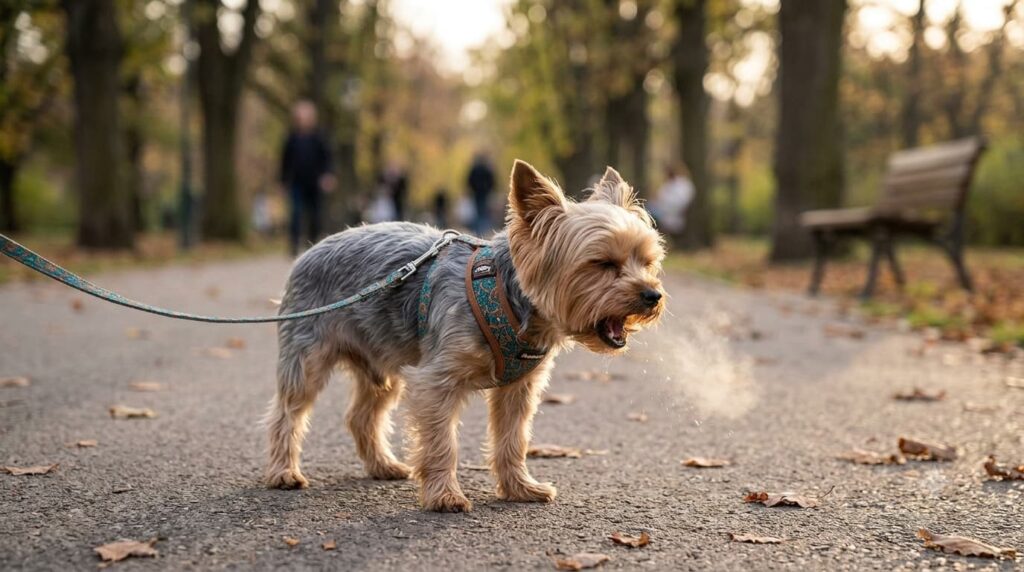
4. Tracheal Collapse
Tracheal collapse is especially common in small dog breeds such as:
- Yorkshire Terriers
- Pomeranians
- Chihuahuas
- Toy Poodles
Instead of staying open, the windpipe partially collapses, making breathing difficult.
Many owners describe the cough as sounding like a goose honk.
Symptoms
- Honking cough
- Exercise intolerance
- Breathing difficulty
- Coughing after excitement
- Coughing when pulling on the leash
Using a harness instead of a neck collar may help reduce pressure on the airway.
When Should You Be Concerned?
An occasional cough isn’t always serious.
However, you should start paying closer attention if:
- The cough lasts more than a few days
- Your dog coughs several times every hour
- The cough becomes worse
- Breathing seems difficult
- Your dog loses appetite
- Your dog becomes unusually tired
Sometimes a simple cough is the body’s way of clearing the airway.
Other times, it’s the first clue that something more serious is happening.
If coughing is accompanied by loss of appetite, read:
👉 Why Is My Dog Not Eating? 11 Causes, Warning Signs & When to Call a Vet
If your dog is coughing and also drinking excessive amounts of water, read:
👉 Why Is My Dog Drinking So Much Water? 11 Common Causes, Warning Signs & When to Call a Vet
Quick Checklist for Dog Owners
Before visiting your veterinarian, try to observe:
✅ Is the cough dry or wet?
✅ Does it happen at night?
✅ Does exercise make it worse?
✅ Is your dog still eating normally?
✅ Is there vomiting or gagging?
✅ Has your dog recently visited a boarding kennel or dog park?
These details can help your veterinarian diagnose the cause much more quickly.
5. Heart Disease
Many dog owners are surprised to learn that heart disease can be one of the answers to why is my dog coughing.
When the heart isn’t pumping blood efficiently, fluid can build up in the lungs. This fluid irritates the airways and causes coughing, especially when your dog is resting or sleeping.
Heart-related coughing is more common in middle-aged and senior dogs, but it can occur in younger dogs with congenital heart conditions as well.
Signs That May Point to Heart Disease
- Persistent coughing, especially at night
- Difficulty breathing
- Exercise intolerance
- Rapid breathing while resting
- Weakness or fainting
- A swollen abdomen in advanced cases
If your dog has these symptoms, don’t wait. Schedule a veterinary examination as soon as possible.
6. Respiratory Infections
Another common reason why is my dog coughing is a respiratory infection.
Dogs can develop bacterial or viral infections that affect the nose, throat, and lungs.
Some respiratory infections are mild, while others can become serious if left untreated.
Common Symptoms
- Coughing
- Sneezing
- Runny nose
- Fever
- Loss of appetite
- Low energy
Puppies, senior dogs, and dogs with weakened immune systems are generally at higher risk of complications.
7. Lungworms and Other Parasites
Parasites don’t just affect a dog’s intestines.
Certain parasites, including lungworms and heartworms, can invade the lungs or heart, leading to chronic coughing.
Although these infections are less common in some regions, they can become serious if not diagnosed early.
Symptoms
- Chronic coughing
- Weight loss
- Tiredness
- Difficulty breathing
- Reduced stamina
Routine parasite prevention recommended by your veterinarian greatly reduces this risk.
8. Chronic Bronchitis
If you’ve been wondering why is my dog coughing for several weeks, chronic bronchitis may be a possibility.
This condition causes long-term inflammation of the airways.
Older dogs are more likely to develop chronic bronchitis, although it can occur at any age.
Symptoms
- Daily coughing
- Dry cough
- Reduced exercise tolerance
- Wheezing
- Shortness of breath
Managing chronic bronchitis often requires veterinary treatment, lifestyle changes, and avoiding environmental irritants.
What Does Your Dog’s Cough Sound Like?
The sound of your dog’s cough can provide valuable clues.
Dry, Hacking Cough
Often linked to:
- Kennel cough
- Allergies
- Mild airway irritation
Honking Cough
Commonly associated with:
- Tracheal collapse
Wet or Moist Cough
May indicate:
- Pneumonia
- Heart disease
- Fluid in the lungs
Gagging After Coughing
Sometimes suggests:
- Throat irritation
- Foreign object
- Kennel cough
Paying attention to the type of cough can help your veterinarian narrow down the possible causes more quickly.
Warning Signs You Should Never Ignore
While an occasional cough may not be serious, certain symptoms require immediate veterinary attention.
Contact your veterinarian immediately if your dog has:
- Trouble breathing
- Blue or pale gums
- Collapse or fainting
- Persistent coughing lasting more than a few days
- Coughing up blood
- High fever
- Severe lethargy
- Refusing food or water
These signs may indicate a life-threatening condition.
Can You Treat Dog Coughing at Home?
It depends on the cause.
If your dog has a mild cough but is otherwise active, eating normally, and behaving as usual, your veterinarian may recommend supportive care.
Helpful steps include:
- Ensure fresh drinking water is always available.
- Let your dog rest.
- Avoid smoke, strong fragrances, and dust.
- Use a harness instead of a neck collar if coughing worsens during walks.
- Keep vaccinations and parasite prevention up to date.
⚠️ Never give human cough medicine to your dog unless your veterinarian specifically instructs you to do so. Many human medications can be dangerous or even toxic for dogs.
9. Irritants in the Air
Sometimes the answer to why is my dog coughing isn’t an illness at all—it’s the environment.
Dogs have sensitive respiratory systems, and everyday irritants can trigger coughing.
Common Irritants Include
- Cigarette smoke
- Fireplace smoke
- Dust
- Strong cleaning products
- Air fresheners
- Perfumes
- Mold
- Pollen
If your dog’s cough only happens in certain rooms or after exposure to these irritants, improving indoor air quality may help.
How to Reduce Environmental Irritants
- Keep your home smoke-free.
- Vacuum regularly to reduce dust.
- Use pet-safe cleaning products.
- Improve ventilation by opening windows when possible.
- Avoid spraying perfumes near your dog.
10. Pneumonia
Pneumonia is a serious lung infection that requires immediate veterinary care.
When owners ask why is my dog coughing, pneumonia is one condition that should never be overlooked.
Symptoms of Pneumonia
- Deep, wet cough
- Fever
- Rapid breathing
- Extreme tiredness
- Loss of appetite
- Nasal discharge
Young puppies, senior dogs, and dogs with weakened immune systems are more vulnerable.
Without treatment, pneumonia can quickly become life-threatening.
11. Lung Tumors or Other Serious Diseases
Although much less common, chronic coughing can sometimes be linked to serious diseases such as lung tumors.
This is especially important in older dogs with a cough that continues for weeks despite treatment.
Possible Symptoms
- Persistent coughing
- Weight loss
- Difficulty breathing
- Reduced activity
- Appetite loss
Fortunately, lung cancer is not the most common reason why is my dog coughing, but it should always be ruled out when a cough doesn’t improve.

When Should You Call a Vet?
While occasional coughing may not be serious, you should contact your veterinarian immediately if:
- Your dog coughs for more than 48–72 hours
- The cough becomes more frequent or severe
- Your dog struggles to breathe
- You notice blue or gray gums
- Your dog refuses food or water
- Your dog becomes unusually tired
- Blood appears when coughing
- Your dog collapses or faints
Early diagnosis often leads to faster treatment and better outcomes.
How Veterinarians Diagnose Dog Coughing
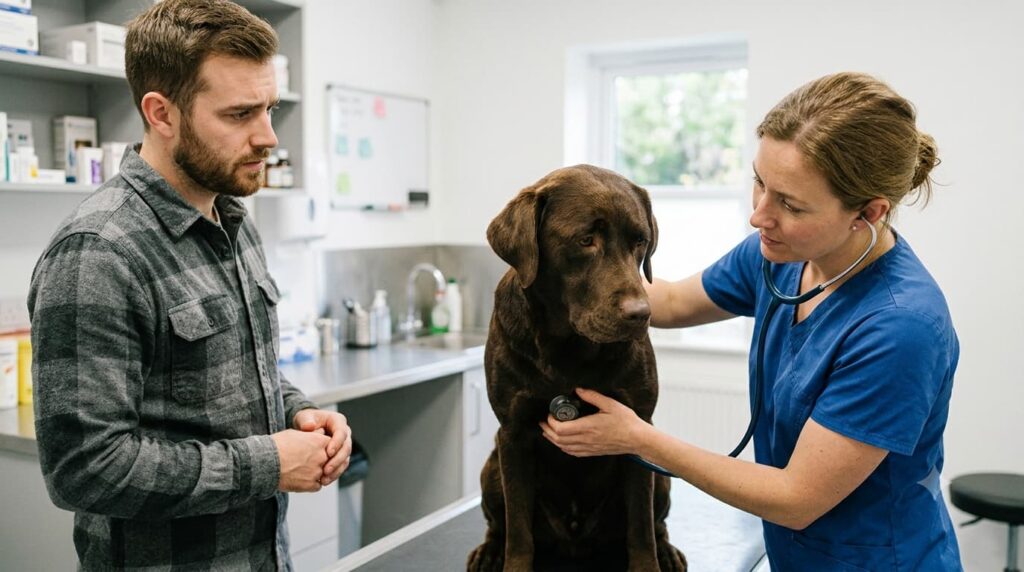
If the cough doesn’t improve, your veterinarian may recommend:
- Physical examination
- Listening to the heart and lungs
- Chest X-rays
- Blood tests
- Fecal parasite testing
- Heartworm testing
- Airway examination (in some cases)
These tests help identify the exact cause instead of simply treating the symptoms.
Can Dog Coughing Be Prevented?
While not every cause can be prevented, these habits can significantly reduce your dog’s risk:
✅ Keep vaccinations up to date.
✅ Use year-round parasite prevention.
✅ Avoid exposure to cigarette smoke.
✅ Feed a balanced, high-quality diet.
✅ Maintain a healthy weight.
✅ Schedule regular veterinary checkups.
✅ Avoid overcrowded dog facilities during outbreaks of kennel cough.
Healthy habits are one of the best ways to reduce the chances of developing conditions associated with why is my dog coughing.
Frequently Asked Questions (FAQs)
Why is my dog coughing but acting normal?
A mild cough can be caused by throat irritation, allergies, or early kennel cough. However, if it continues for more than a few days, consult your veterinarian.
Why is my dog coughing at night?
Nighttime coughing may be linked to heart disease, tracheal collapse, kennel cough, or respiratory infections.
Why does my dog cough after drinking water?
This may happen if water enters the airway too quickly, but repeated coughing after drinking should be evaluated by a veterinarian.
Can allergies make my dog cough?
Yes. Dust, pollen, mold, smoke, and strong fragrances can irritate a dog’s airways and trigger coughing.
Is kennel cough dangerous?
Most healthy adult dogs recover well, but puppies, senior dogs, and dogs with weakened immune systems may develop complications.
Why is my older dog coughing more than usual?
Senior dogs are more likely to develop heart disease, chronic bronchitis, or age-related respiratory problems.
Should I give my dog human cough medicine?
No. Human cough medicines may contain ingredients that are harmful or toxic to dogs. Only use medication prescribed or recommended by your veterinarian.
How long should a dog cough last?
A mild cough may resolve within a few days. If coughing continues beyond 48–72 hours, worsens, or is accompanied by other symptoms, seek veterinary advice.
Can excitement cause coughing in dogs?
Yes. Dogs with tracheal collapse or certain airway conditions may cough after excitement, exercise, or pulling on a leash.
When should I worry about my dog’s cough?
You should be concerned if coughing is persistent, affects breathing, is accompanied by loss of appetite, fever, lethargy, coughing up blood, or other concerning symptoms.
When Should I Worry About My Dog Coughing?
Be concerned if your dog’s cough is frequent, persistent, worsening, or accompanied by breathing difficulty, weakness, fever, or loss of appetite. A sudden or severe cough should be evaluated by a veterinarian.
How Do You Treat a Dog With a Cough?
Treatment depends on the cause, so don’t give human cough medicine without veterinary advice. Keep your dog rested and away from smoke or irritants, and contact a veterinarian if the cough persists or worsens.
What Can I Give My Dog for a Cough?
Don’t give your dog human cough medicine without veterinary advice. Keep them rested and away from smoke or irritants, and contact a veterinarian if the cough persists or worsens.
Helpful Resources
For trusted information about dog health and respiratory diseases, visit:
- American Kennel Club (AKC)
- Merck Veterinary Manual
- Cornell College of Veterinary Medicine
These veterinary resources provide reliable, evidence-based guidance for pet owners.
Final Thoughts
If you’ve been wondering why is my dog coughing, remember that not every cough is a reason to panic—but every persistent cough deserves attention.
Sometimes the cause is as simple as mild throat irritation or seasonal allergies. In other cases, coughing can signal kennel cough, heart disease, pneumonia, parasites, or other health conditions that require prompt treatment.
The most important thing you can do is observe your dog’s behavior carefully.
Notice when the cough occurs, how it sounds, and whether it’s accompanied by symptoms like breathing difficulty, loss of appetite, fever, or unusual tiredness.
The sooner the underlying cause is identified, the sooner your dog can receive the right care and return to a happy, healthy life.
If you’re ever unsure, it’s always safest to contact your veterinarian. Your quick action could make a big difference in your dog’s recovery.
For more information about dog coughing, respiratory conditions, and overall canine health, visit PetMD Dog Health Center