
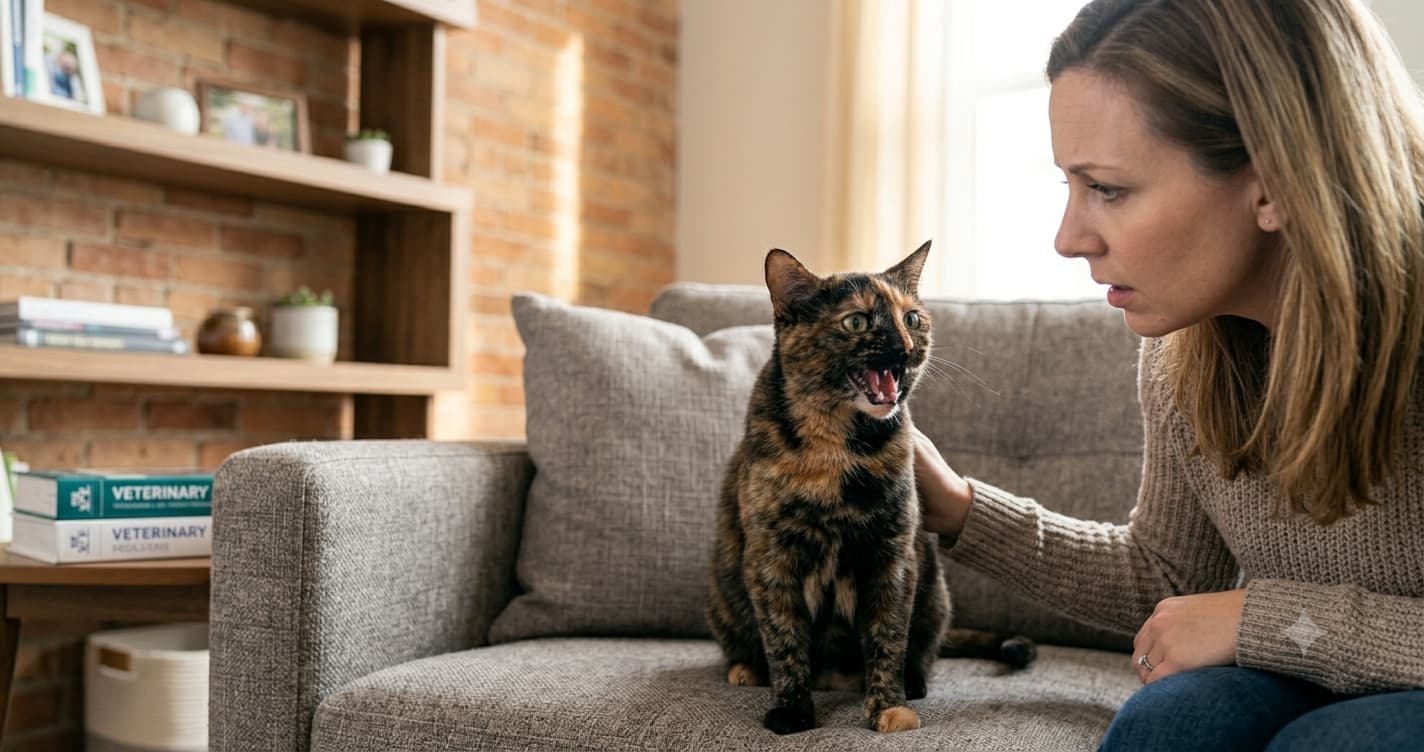
Have you ever been woken up at 3 a.m. by a cat that simply won’t stop meowing?
Or maybe your normally quiet cat has suddenly become extremely vocal, following you around the house and meowing constantly.
If so, you’ve probably asked yourself: “Why is my cat meowing so much?”
As a cat owner, I know how confusing this can be. Cats can’t tell us what’s wrong using words, so they use sounds, body language, and behavior to communicate. Sometimes excessive meowing is completely normal. Other times, it can be your cat’s way of telling you that something isn’t right.
I remember when my own cat suddenly started meowing far more than usual. At first, I thought she simply wanted attention. But after paying closer attention, I realized she was trying to communicate something important.
That’s why understanding why is my cat meowing so much is essential for every cat owner.
In this guide, you’ll discover the most common reasons cats meow excessively, warning signs you should never ignore, and when it’s time to contact a veterinarian.
Table of Contents

Is It Normal for Cats to Meow?
Before discussing the causes, it’s important to understand something interesting:
Adult cats rarely meow at other cats.
Meowing is actually a behavior cats developed mainly to communicate with humans.
That means when you’re wondering why is my cat meowing so much, your cat is often trying to tell you something.
The challenge is figuring out exactly what that message is.
11 Common Reasons Why Your Cat Is Meowing So Much
1. Your Cat Wants Attention
One of the most common answers to why is my cat meowing so much is surprisingly simple.
Your cat may want your attention.
Cats quickly learn that meowing gets results.
For example:
- You pet them
- You talk to them
- You give them food
- You pick them up
Over time, they may begin using meowing as a reliable way to get what they want.
Signs Attention-Seeking Is the Cause
- Meowing stops when you interact
- Your cat follows you around
- The behavior increases when you’re busy
While this isn’t usually a medical concern, it can become a learned habit.
2. Hunger or Food Requests
Let’s be honest.
Many cats become professional food negotiators.
If your cat knows feeding time is approaching, you may notice increased vocalization.
Many owners searching why is my cat meowing so much eventually realize their cat simply wants breakfast or dinner.
Common Clues
- Meowing near the food bowl
- Following you into the kitchen
- Increased vocalization before meals
Try maintaining a consistent feeding schedule.
Cats thrive on routine.
3. Your Cat Wants Fresh Water
Cats can be surprisingly picky about water.
Some cats dislike:
- Dirty water bowls
- Warm water
- Stale water
- Empty bowls
Excessive meowing may sometimes be your cat’s way of requesting fresh water.
4. Stress or Anxiety
A stressed cat often becomes a vocal cat.
Stress-related meowing is another common reason why is my cat meowing so much.
Possible stress triggers include:
- Moving homes
- New pets
- New family members
- Construction noise
- Changes in routine
Cats are creatures of habit.
Even small disruptions can cause behavioral changes.
Additional Signs of Stress
- Hiding
- Reduced appetite
- Overgrooming
- Restlessness
Stress often affects appetite as well.
5. Boredom
Indoor cats need mental stimulation.
Without enough enrichment, some cats become vocal simply because they’re bored.
When owners ask why is my cat meowing so much, boredom is often overlooked.
Ways to Reduce Boredom
- Interactive toys
- Cat trees
- Puzzle feeders
- Window perches
- Daily play sessions
A mentally stimulated cat is often a quieter cat.
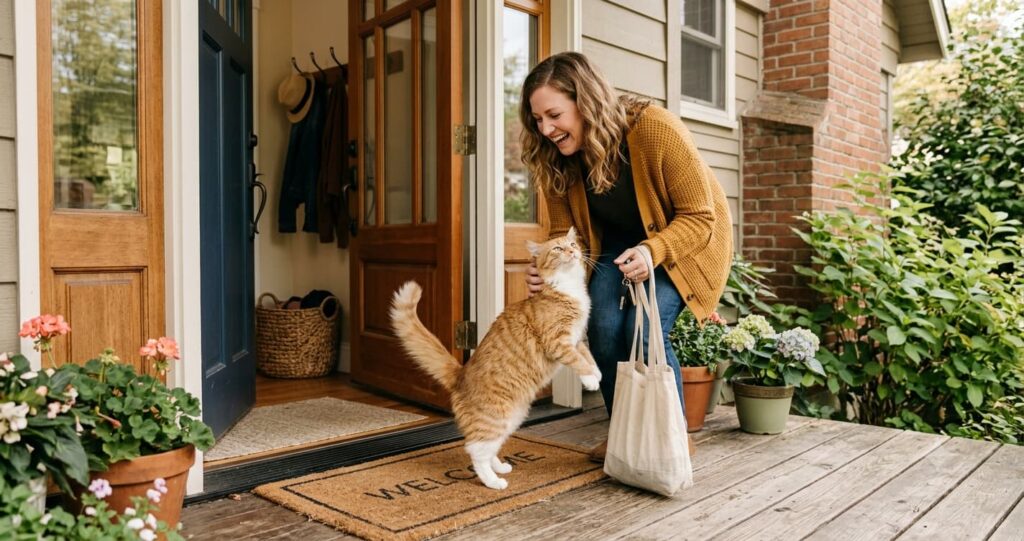
6. Your Cat Is Greeting You
Sometimes excessive meowing isn’t a problem at all.
Many cats develop greeting rituals.
Examples include:
- Meowing when you come home
- Meowing in the morning
- Meowing when entering a room
In these situations, your cat may simply be saying:
“Hello, where have you been?”
This type of vocalization is generally normal and healthy.
Could Excessive Meowing Be a Health Problem?
Absolutely.
Although many causes are harmless, some medical conditions can also explain why is my cat meowing so much.
This is especially true if:
- The behavior is sudden
- The meowing sounds unusual
- Other symptoms appear
Pay close attention to any changes in:
- Eating habits
- Sleeping habits
- Activity levels
- Bathroom behavior
These clues often help identify whether the cause is behavioral or medical.
When Should You Start Paying Closer Attention?
You should monitor your cat more carefully if:
- Meowing becomes constant
- The behavior is new
- Your cat appears uncomfortable
- Appetite changes occur
- Weight loss develops
Cats rarely change behavior without a reason.
When owners repeatedly ask why is my cat meowing so much, the answer often becomes clearer once they begin observing patterns.
For example:
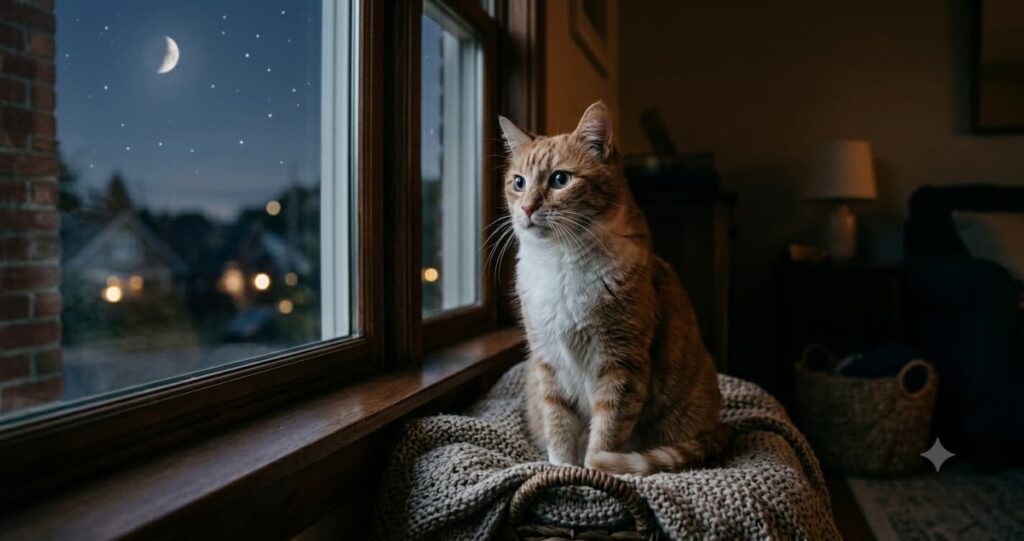
- Does the meowing happen at night?
- Is it associated with meals?
- Does it happen near the litter box?
- Does it occur when left alone?
These details are extremely valuable.
A Quick Observation Checklist
If your cat has started meowing more than usual, make note of:
✓ When the meowing occurs
✓ How long it lasts
✓ Any appetite changes
✓ Water intake
✓ Bathroom habits
✓ Changes in activity
✓ Stressful events in the household
This information will be useful if veterinary advice becomes necessary.
7. Your Cat Is in Pain
One of the most important medical reasons why is my cat meowing so much is pain.
Cats are experts at hiding discomfort. In the wild, showing weakness could make an animal vulnerable, so many cats instinctively hide signs of illness.
However, some cats become more vocal when they’re hurting.
Common Sources of Pain
- Arthritis
- Dental disease
- Injuries
- Abdominal pain
- Urinary tract problems
Warning Signs
- Limping
- Hiding
- Reduced activity
- Aggression when touched
- Appetite loss
Internal Link Opportunity
If pain is accompanied by appetite changes, link to:
Why Is My Cat Not Eating? 11 Common Causes, Warning Signs & When to Call a Vet
8. Hyperthyroidism
Hyperthyroidism is one of the most common health problems in older cats.
This condition causes the thyroid gland to produce too many hormones.
Many owners searching why is my cat meowing so much are surprised to discover that hyperthyroidism can dramatically increase vocalization.
Other Symptoms
- Weight loss
- Increased appetite
- Hyperactivity
- Restlessness
- Increased thirst
Hyperthyroidism is especially common in senior cats and requires veterinary diagnosis.
9. Cognitive Dysfunction (Cat Dementia)
Just like humans, older cats can experience age-related cognitive decline.
This condition is often called feline cognitive dysfunction.
Common Symptoms
- Confusion
- Wandering
- Nighttime meowing
- Changes in routine
- Forgetting familiar locations
If your senior cat suddenly begins vocalizing excessively, cognitive decline may explain why is my cat meowing so much.
10. Mating Behavior
If your cat is not spayed or neutered, hormones may be responsible.
Female cats in heat often become extremely vocal.
Male cats may also vocalize more when they detect a nearby female.
Signs of Heat
- Loud meowing
- Restlessness
- Increased affection
- Attempts to escape outdoors
This is another common answer to why is my cat meowing so much.
Spaying or neutering often reduces hormone-related vocalization.
11. Illness or Medical Conditions
Sometimes excessive meowing is simply your cat’s way of saying:
“I don’t feel well.”
Various health problems can trigger increased vocalization.
Examples include:
- Kidney disease
- High blood pressure
- Urinary tract infections
- Digestive disorders
- Neurological conditions
If vomiting accompanies excessive meowing, naturally link to:
When multiple symptoms occur together, veterinary evaluation becomes especially important.
Why Is My Cat Meowing So Much at Night?
Nighttime meowing is one of the most searched cat behavior questions.
Possible causes include:
- Hunger
- Boredom
- Attention seeking
- Hyperthyroidism
- Cognitive dysfunction
- Stress
How to Reduce Nighttime Meowing
- Increase daytime play
- Feed a small evening meal
- Maintain a consistent routine
- Provide enrichment toys
- Schedule veterinary checkups
Understanding nighttime behavior can help determine why is my cat meowing so much after dark.
When Should You Worry?
Occasional meowing is normal.
However, you should pay closer attention if:
- Meowing suddenly increases
- The behavior becomes constant
- Appetite changes occur
- Weight loss develops
- Vomiting appears
- Drinking habits change
- Your cat seems distressed
Many owners discover the answer to why is my cat meowing so much only after noticing these additional clues.
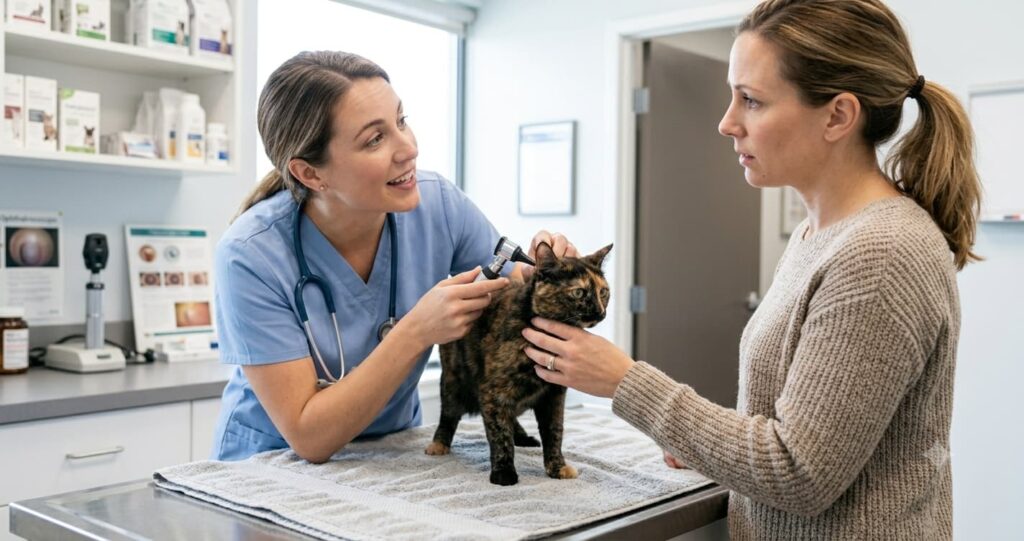
When to Call a Vet
Contact your veterinarian if:
- Meowing becomes excessive suddenly
- Your cat stops eating
- Vomiting occurs frequently
- Weight loss is noticeable
- Breathing difficulties appear
- Pain is suspected
- Your cat seems confused or disoriented
Veterinary attention is especially important for senior cats experiencing new behavioral changes.
How to Help a Cat That Won’t Stop Meowing
Identify the Trigger
Observe:
- Time of day
- Location
- Recent changes
- Other symptoms
Provide Enrichment
Many cats need more stimulation.
Try:
- Puzzle feeders
- Interactive toys
- Climbing structures
- Daily play sessions
Maintain Routine
Cats feel secure when life is predictable.
Consistent feeding, play, and sleep schedules often reduce excessive vocalization.
Rule Out Medical Issues
Never assume meowing is purely behavioral until health problems have been considered.
Helpful Resources
For additional information about feline behavior and cat health, consider trusted veterinary resources:
- Cornell Feline Health Center
- PetMD
- American Association of Feline Practitioners
(Use these as outbound links in your blog.)
Frequently Asked Questions
Why is my cat meowing so much all of a sudden?
Sudden excessive meowing may be caused by stress, illness, pain, hunger, or age-related conditions.
Why is my cat meowing so much at night?
Nighttime meowing may result from boredom, hunger, hyperthyroidism, or cognitive dysfunction.
Why is my senior cat meowing so much?
Senior cats may vocalize more due to pain, confusion, hearing loss, or cognitive decline.
Can stress cause excessive meowing?
Yes. Stress and anxiety are common causes of increased vocalization.
Why is my cat constantly meowing for food?
Your cat may be hungry, bored, or have a medical condition affecting appetite regulation.
Should I ignore attention-seeking meowing?
Not entirely. First ensure all needs are met before addressing behavioral habits.
Can illness cause excessive meowing?
Yes. Many illnesses can lead to increased vocalization.
Why does my cat walk around the house meowing?
Cats may vocalize while searching for attention, companionship, or resources.
Is excessive meowing normal?
Occasional meowing is normal, but sudden or persistent changes should be investigated.
When should I call a vet?
Seek veterinary advice whenever excessive meowing is accompanied by other symptoms or behavioral changes.
Why Does My Cat Walk Around the House Meowing?
Your cat may walk around meowing because they want attention, food, play, or are looking for you. If the behavior is sudden, excessive, or comes with other changes, a veterinarian should check your cat.
How Do I Get My Cat to Stop Meowing?
First, identify why your cat is meowing—hunger, attention, boredom, stress, or discomfort. Meet their needs, provide play and enrichment, and avoid rewarding constant meowing with attention; if the behavior suddenly becomes excessive, consult a veterinarian.
Why Is My Cat Being So Vocal All of a Sudden?
Sudden increased meowing can happen because of hunger, stress, attention-seeking, or discomfort. If the change is persistent or comes with other unusual symptoms, have your cat checked by a veterinarian.
Final Thoughts
So, why is my cat meowing so much?
The answer depends on your cat’s age, environment, health, and individual personality.
Sometimes the reason is simple—your cat wants attention, food, or companionship. Other times, excessive vocalization can signal stress, pain, illness, or age-related health conditions.
The key is observation.
Pay attention to patterns, look for additional symptoms, and never ignore sudden behavioral changes.
Understanding why is my cat meowing so much can help you respond appropriately, strengthen your bond with your cat, and ensure your furry companion remains healthy and happy for years to come.
Helpful Resources for Cat Owners
For additional information about cat behavior and feline health, you can visit trusted veterinary resources such as Cornell Feline Health Center, PetMD, and the American Association of Feline Practitioners.
For more information about cat health, visit PetMD.
https://kinshippet.com/how-to-cancel-fetch-pet-insurance-in-2026-step-by-step-guide-for-pet-owners