
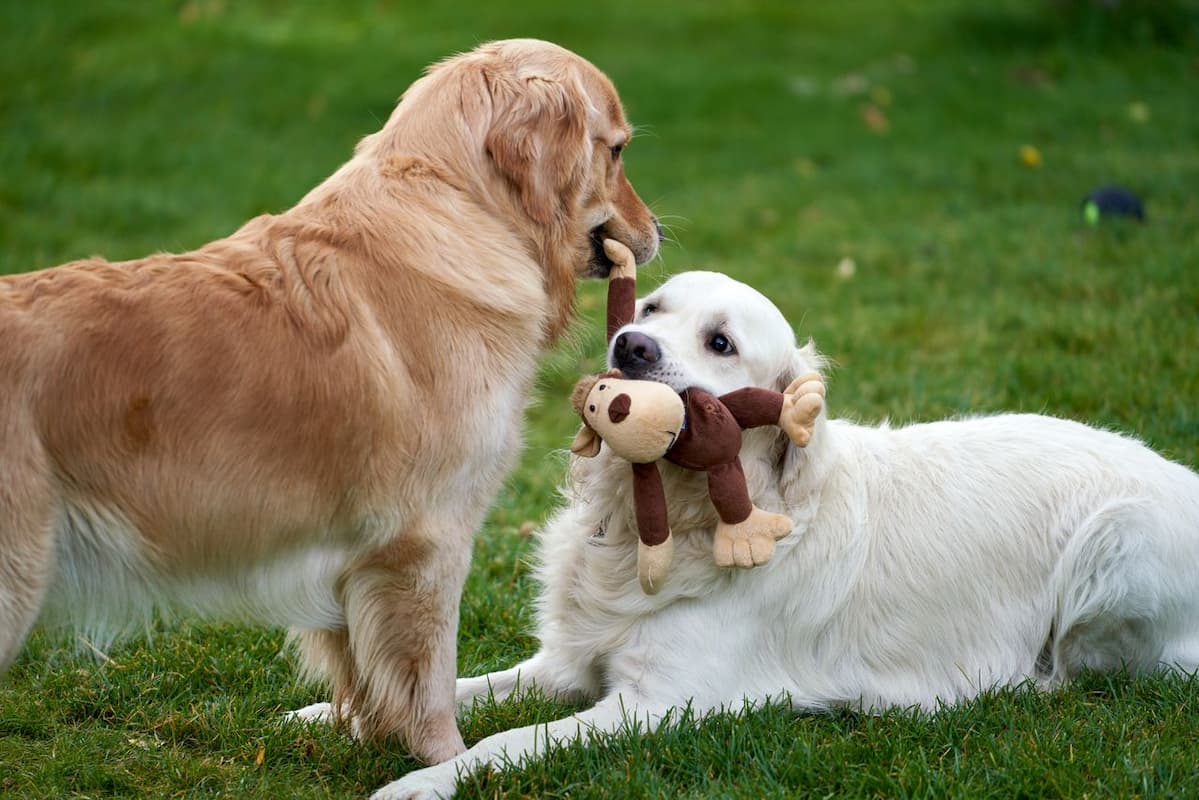
Have you ever bought your dog an exciting new toy, only to watch them sniff it and walk away? It can feel confusing, especially when other dogs seem to love playing with toys.
If you’re wondering why is my dog not interested in toys, the answer may be simple. Your dog might prefer other activities, dislike certain toy textures, or simply not know how to play with them. However, a sudden loss of interest can sometimes point to discomfort or an underlying health issue.
Let’s explore the possible reasons and how you can help your dog enjoy playtime.
Table of Contents
Quick Answer: Why Is My Dog Not Interested in Toys?
Dogs may ignore toys because of their personality, age, past experiences, toy preferences, or lack of interest in that particular type of play. Some dogs prefer sniffing, exploring, chasing, or spending time with their owners instead.
If your dog suddenly stops playing with toys or shows other unusual changes, consider checking with a veterinarian.
7 Reasons Your Dog Isn’t Interested in Toys
1. Your Dog Simply Has Different Preferences

Not every dog enjoys playing with toys. Some prefer exploring outdoors, sniffing interesting scents, learning tricks, or relaxing beside their family.
This doesn’t mean your dog is unhappy or that you’re doing something wrong. Dogs have individual personalities, and play preferences can vary.
“Some dogs simply prefer different activities, and the American Kennel Club’s guide to why some dogs don’t enjoy fetch explains how individual preferences can influence play.”
2. Your Dog Hasn’t Learned How to Play
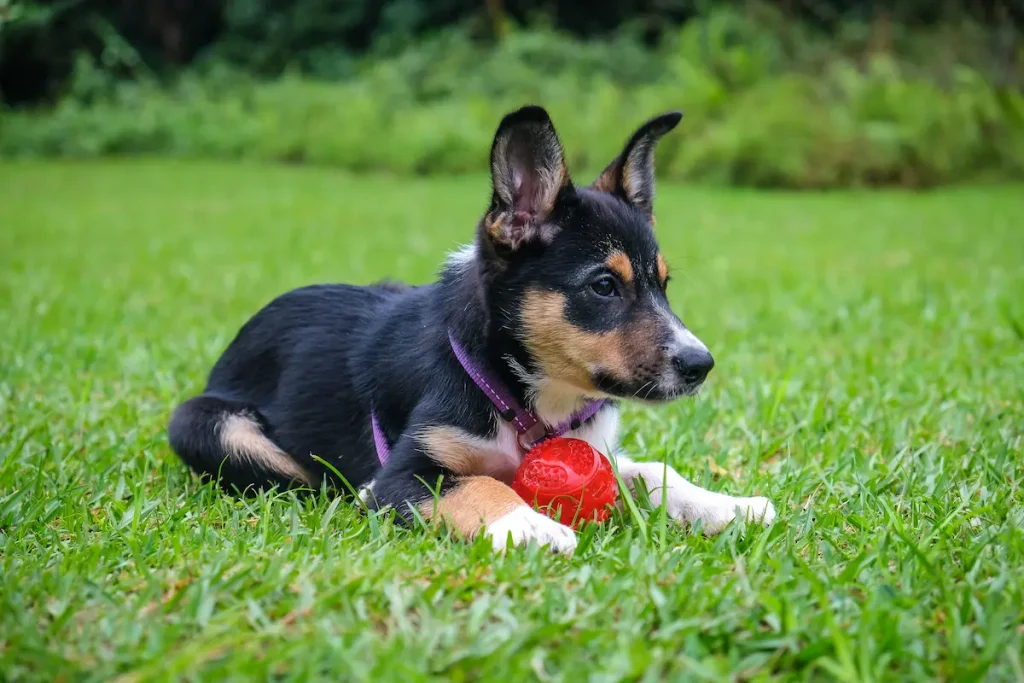
Some dogs, particularly those with limited play experiences, may not understand what to do with a toy.
They might sniff it, look at it, or walk away because they haven’t learned that toys can be fun.
Try gently rolling a soft toy across the floor or making a short, playful movement with it. Keep the experience relaxed and allow your dog to approach at their own pace.
3. The Toy Doesn’t Match Your Dog’s Preferences

A toy that one dog loves might be completely uninteresting to another.
Your dog may dislike:
- Toys that make loud squeaking sounds
- Hard or uncomfortable textures
- Toys that are too large or too small
- Objects that don’t move or respond during play
If you’re asking why is my dog not interested in toys, the type of toy you’re offering may be part of the answer.
Experiment with different safe options, such as soft plush toys, appropriately sized balls, or simple puzzle toys. Always choose toys suitable for your dog’s size and chewing habits.
4. Your Dog Is Getting Older

Puppies often have bursts of playful energy, while adult and senior dogs may prefer calmer activities.
As dogs age, changes in energy, mobility, vision, or hearing can affect how they interact with toys.
An older dog might still enjoy gentle games, sniffing activities, or food puzzles instead of energetic chasing. If their interest changes suddenly, a veterinary checkup can help rule out discomfort or illness.
5. Your Dog Is Bored With the Same Toys
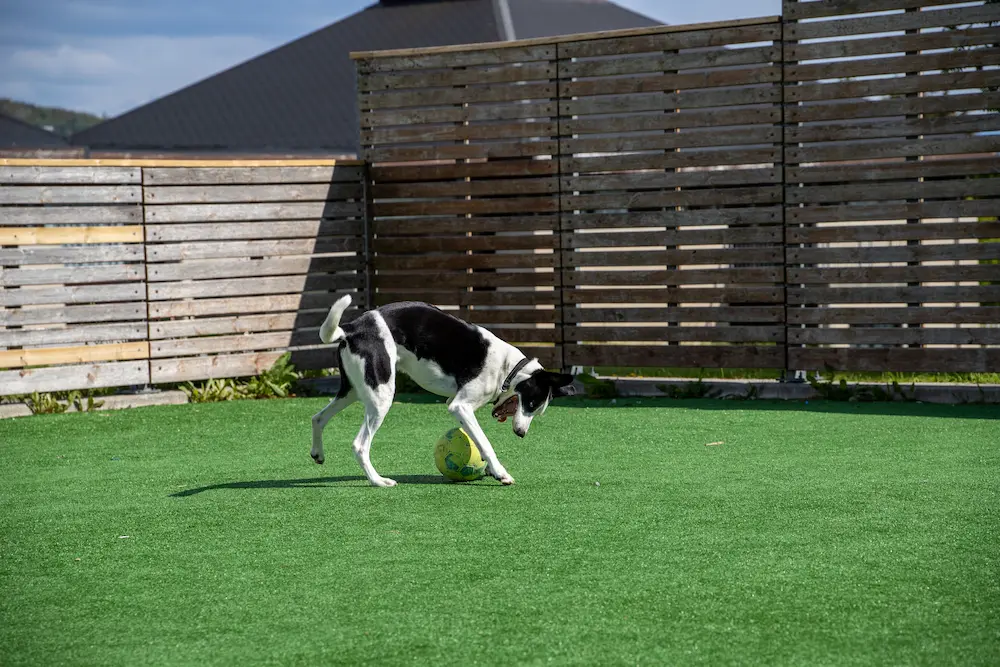
Just like people, some dogs lose interest when they see the same toys every day.
Try rotating a few safe toys instead of leaving every toy available all the time. Reintroduce them on different days and see whether your dog becomes curious again.
You can also add variety with supervised games, short training sessions, or scent-based activities.
6. Your Dog Feels Stressed or Uncomfortable
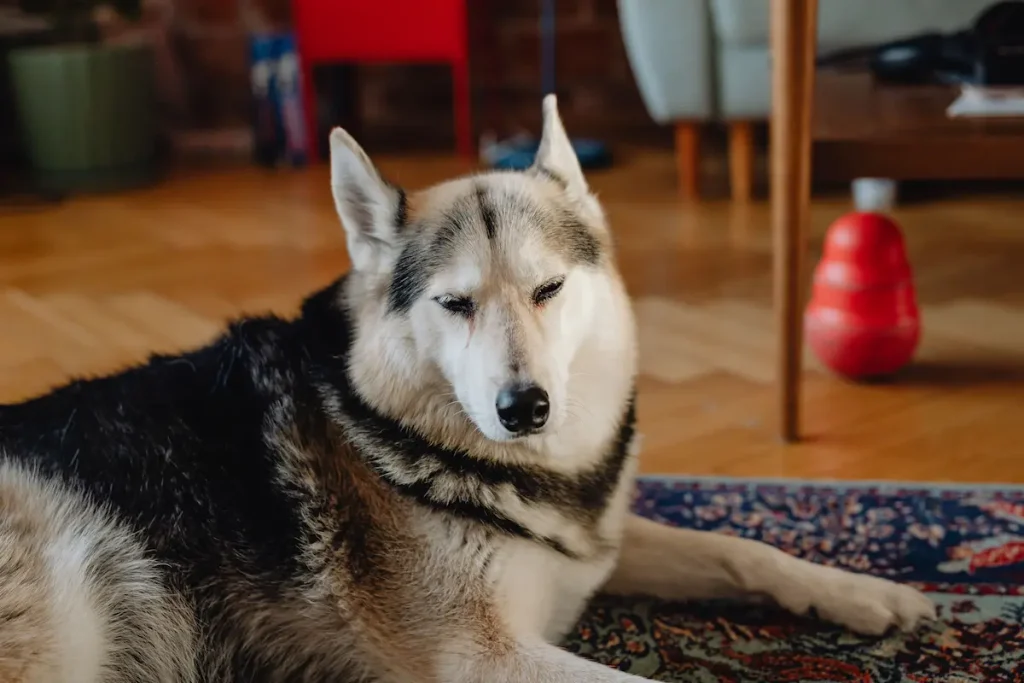
Stress, fear, and changes in the home environment can affect a dog’s interest in play.
Moving to a new home, unfamiliar visitors, loud noises, or changes in routine may make some dogs less interested in toys.
Give your dog a quiet, comfortable space and avoid forcing interaction. A predictable routine and gentle encouragement may help them feel more settled.
7. Your Dog May Be Experiencing Pain or a Health Problem
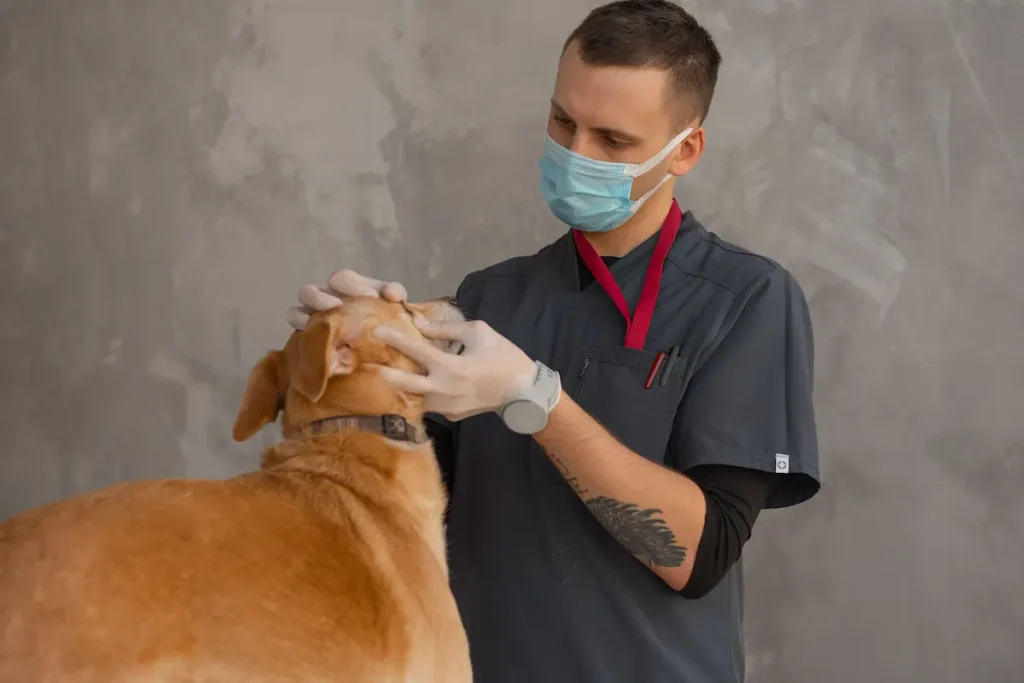
Sometimes, the reason why is my dog not interested in toys has nothing to do with the toys themselves.
Dental discomfort, joint pain, injuries, or other health problems may make playing uncomfortable. Your dog might avoid chewing, running, or carrying toys.
Pay attention if your dog also shows signs such as:
- Eating less than usual
- Limping or moving differently
- Sleeping more than usual
- Avoiding activities they previously enjoyed
- Becoming unusually withdrawn
Contact your veterinarian if you notice these changes. Seek prompt veterinary advice if your dog suddenly loses interest in normal activities or appears unwell.
How to Encourage Your Dog to Play With Toys
Table: Simple Ways to Encourage Your Dog to Play
| What to Try | How It Helps |
|---|---|
| Start with soft toys | Gentle textures may feel more comfortable. |
| Try interactive play | Rolling a toy can make it more interesting. |
| Keep play sessions short | Prevents your dog from feeling overwhelmed. |
| Rotate toys | Introduces variety and reduces boredom. |
| Reward curiosity | Positive reinforcement builds confidence. |
| Try puzzle toys | Provides mental stimulation and engagement. |
| Let your dog choose | Helps you discover their personal preferences. |
You don’t need to force your dog to become a toy-loving pet. Instead, discover what makes them comfortable and curious.
Try these simple approaches:
- Start with short sessions: Offer a toy for a few minutes without creating pressure.
- Choose the right toy: Experiment with different textures, sizes, and play styles.
- Make play interactive: Gently roll a ball or move a toy along the floor.
- Reward curiosity: Praise your dog when they approach or investigate a toy.
- Try other activities: Sniffing games, simple training, and supervised exploration can provide enrichment.
- Keep toys safe: Check regularly for damage and remove toys that are broken or have loose parts.
Remember, the goal is to make play enjoyable, not to make your dog play on command.
Frequently Asked Questions
Is it normal for a dog to not like toys?
Yes. Some dogs naturally prefer other activities, such as sniffing, exploring, or spending time with their owners. Not enjoying toys doesn’t automatically mean something is wrong.
Should I worry if my dog suddenly stops playing with toys?
A sudden change deserves attention, especially if your dog also eats less, moves differently, sleeps more, or seems withdrawn. Contact your veterinarian to discuss the change.
How can I find out which toys my dog likes?
Offer a few safe toy types, such as soft toys, balls, and puzzle toys. Observe which ones your dog approaches voluntarily. Avoid forcing them to play.
Do dogs need toys to stay happy?
No single toy is essential for every dog. Dogs benefit from regular exercise, mental stimulation, social interaction, and activities suited to their individual needs.
Final Thoughts
If you’ve been wondering why is my dog not interested in toys, remember that every dog has different preferences. Your dog may simply enjoy other ways of exploring and interacting with the world.
Offer safe toys, experiment with different activities, and let your dog choose what they enjoy. Most importantly, don’t ignore a sudden loss of interest, particularly when it comes with other changes in behavior or health.
A happy dog doesn’t have to love every toy. What matters is understanding their needs and helping them enjoy a healthy, enriching life
Related Articles:
Why Does My Dog Stretch When He Sees Me?
1 thought on “Why Is My Dog Not Interested in Toys? 7 Surprising Reasons Explained”