
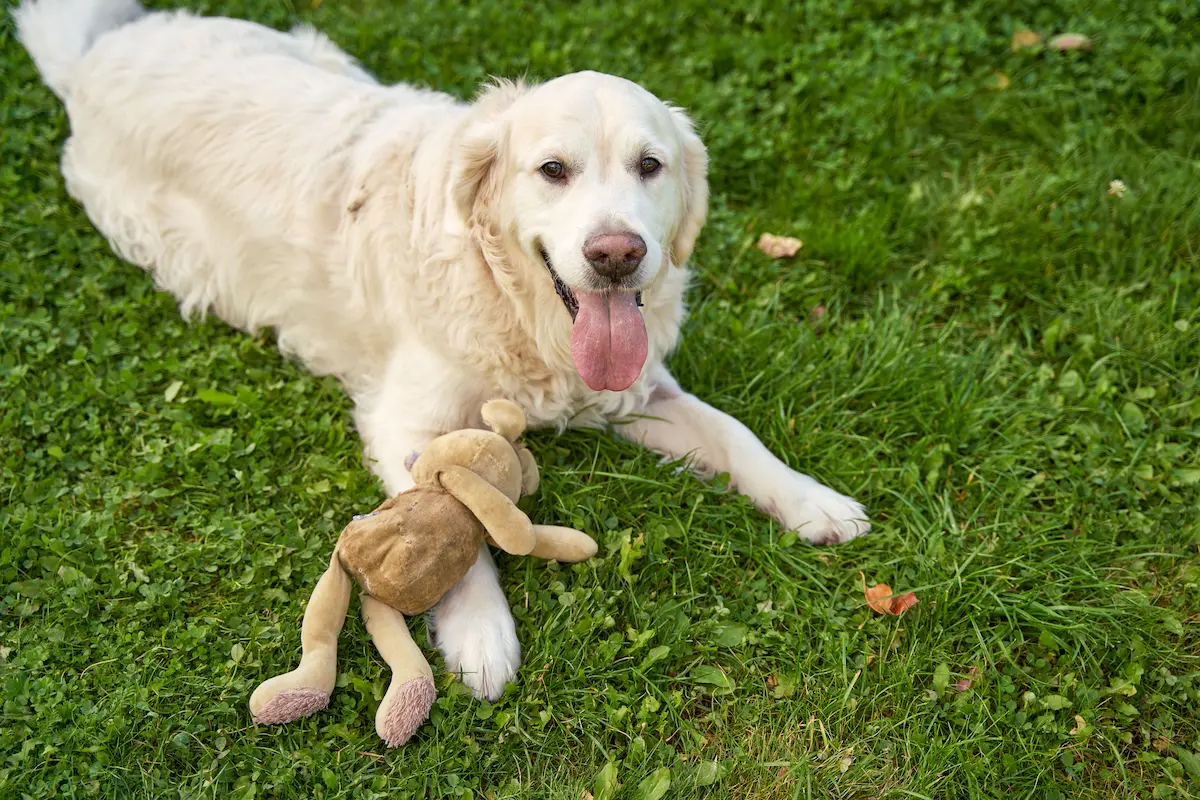
Watching your dog ignore a brand-new toy can be disappointing, especially when you hoped it would become their favorite playtime activity. You roll a ball, offer a squeaky toy, or try a tug rope, but your dog simply walks away.
If you’re asking, how do I make my dog interested in toys?, the answer starts with understanding your dog’s natural preferences. Some dogs love chasing, others enjoy chewing, sniffing, or solving food puzzles. Not every dog finds the same activities exciting.
The good news is that you can gradually encourage your dog to explore toys through positive experiences, patience, and the right approach.
Table of Contents
Quick Guide: How Do I Make My Dog Interested in Toys?
| Method | How It Helps |
|---|---|
| Try different toy types | Helps identify your dog’s preferences |
| Make toys move | Encourages curiosity and chasing |
| Use treats | Creates positive associations |
| Play together | Makes interaction more rewarding |
| Rotate toys | Keeps familiar toys interesting |
| Introduce puzzle toys | Provides mental stimulation |
| Reward small efforts | Builds confidence around toys |
1. Understand Why Your Dog Isn’t Interested in Toys
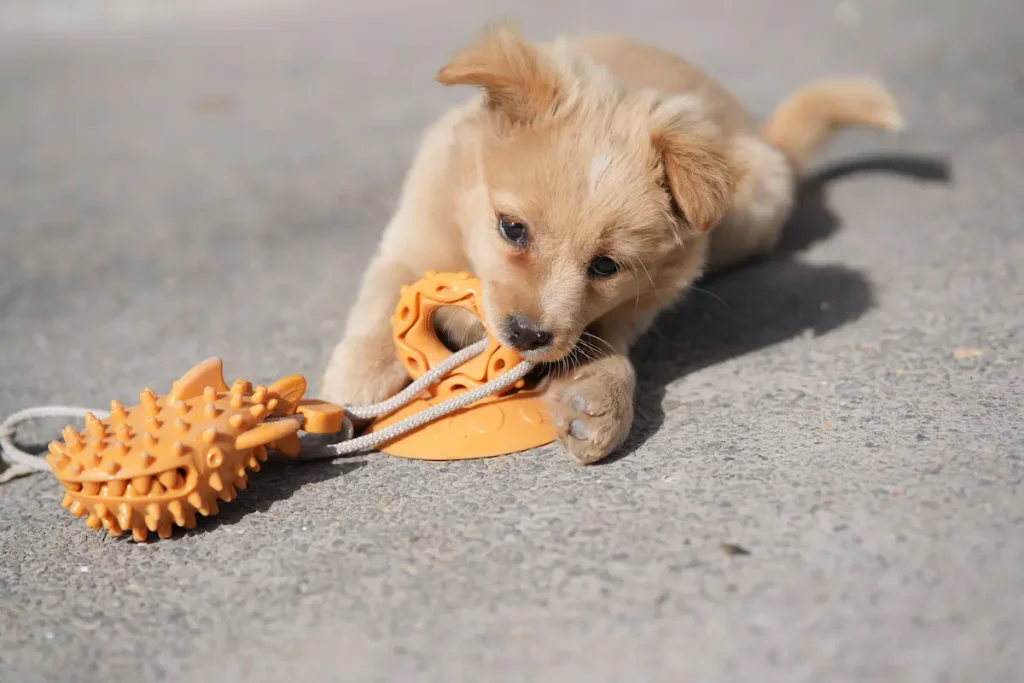
Before trying to change your dog’s behavior, understand why toys might not appeal to them.
Common reasons include:
- Different preferences: Your dog may prefer sniffing, exploring, or social interaction.
- Lack of experience: Some dogs were never introduced to interactive play.
- Uninteresting toys: A toy that doesn’t match your dog’s natural instincts may receive little attention.
- Stress or unfamiliar surroundings: An anxious dog may not feel comfortable playing.
- Physical discomfort: Pain or illness can reduce interest in activities.
Understanding the reason makes it easier to choose an appropriate solution.
2. How Do I Make My Dog Interested in Toys? Find Their Favorite Type

Not every dog enjoys chasing a tennis ball or playing with squeaky toys.
Experiment with different categories:
- Plush toys: Suitable for dogs who enjoy carrying soft objects.
- Rubber toys: Useful for dogs who enjoy chewing.
- Tug ropes: Encourage interactive play with their owners.
- Balls: May appeal to dogs who enjoy chasing and retrieving.
- Puzzle toys: Provide mental stimulation through food-based activities.
Introduce one or two options at a time. Watch which toys naturally attract your dog’s attention.
Choosing the right toy depends on your dog’s individual preferences, age, and play style. The American Kennel Club’s guide to choosing dog toys also explains how different toys suit different dogs.
3. Make the Toy More Exciting

Sometimes, the problem isn’t the toy itself but how it’s introduced.
Instead of simply placing a toy on the floor, gently roll it or move it across the ground.
Small movements can encourage curiosity and invite your dog to investigate.
Avoid overwhelming your dog with sudden movements or repeatedly pushing toys toward them. Let them approach naturally.
4. Use Treats to Build Positive Associations

Treats can help dogs connect toys with enjoyable experiences.
Try these simple steps:
- Place a few small treats near an appropriate toy.
- Allow your dog to investigate.
- Praise them when they approach or interact with it.
- Gradually encourage more interaction.
You can also introduce an appropriately sized treat-dispensing toy.
Remember to account for treats in your dog’s daily food intake.
5. Join Your Dog During Playtime
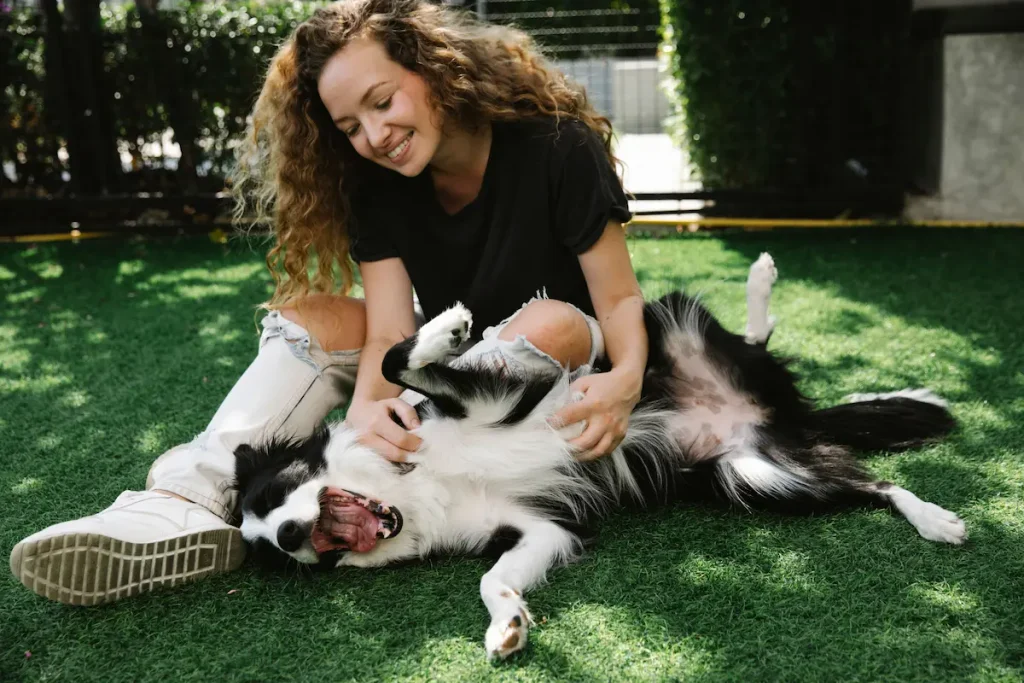
Some dogs enjoy playing more when their owners participate.
Try rolling a ball, gently moving a plush toy, or introducing a supervised tug game.
Keep your movements relaxed and give your dog opportunities to engage.
Your attention and encouragement can make playtime feel more rewarding than simply leaving toys around the house.
6. Rotate Toys to Maintain Interest

When dogs have access to the same toys every day, some may gradually lose interest.
Keep a small selection available and put the others away temporarily.
Rotate them every few days, depending on your dog’s response.
Reintroducing a familiar toy can encourage renewed curiosity without constantly purchasing new ones.
7. Introduce Puzzle Toys for Mental Stimulation

If your dog prefers sniffing and searching rather than chasing, food puzzles might be a better starting point.
Choose an easy puzzle that allows your dog to discover treats without becoming frustrated.
Supervise the activity and gradually introduce more challenging options as your dog becomes comfortable.
8. Reward Every Small Sign of Interest
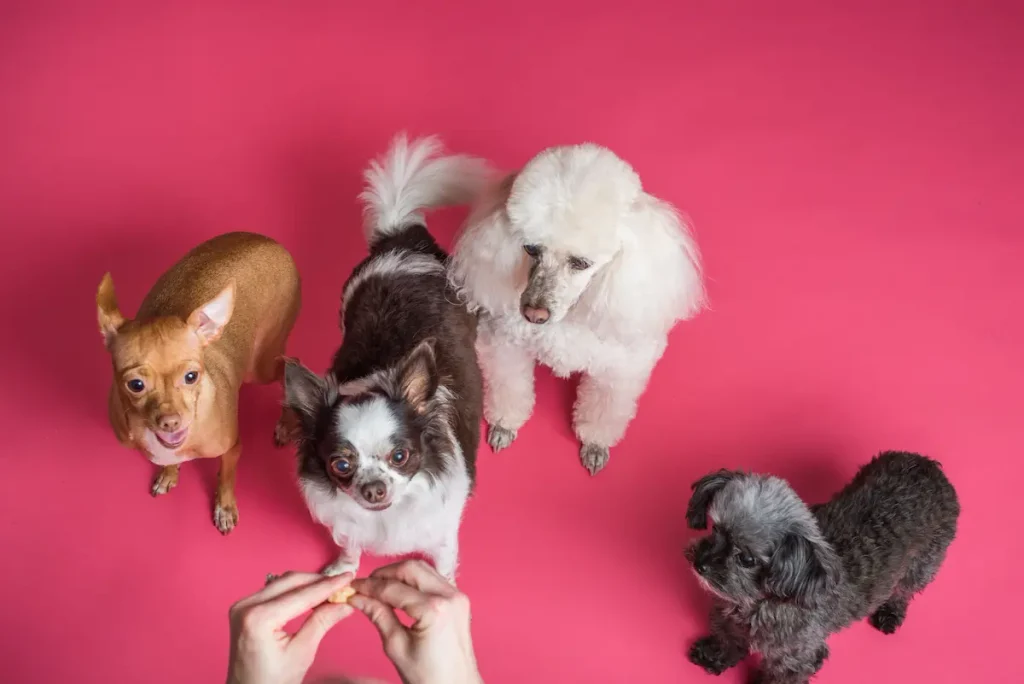
Learning to enjoy toys doesn’t mean your dog must immediately fetch or carry them.
Celebrate small steps, including:
- Looking toward a toy.
- Approaching and sniffing it.
- Touching it with their nose.
- Picking it up.
- Playing with it independently.
Use praise and occasional treats to encourage positive interactions.
Never punish your dog for walking away or refusing to play.
9. Choose Safe Toys That Match Your Dog
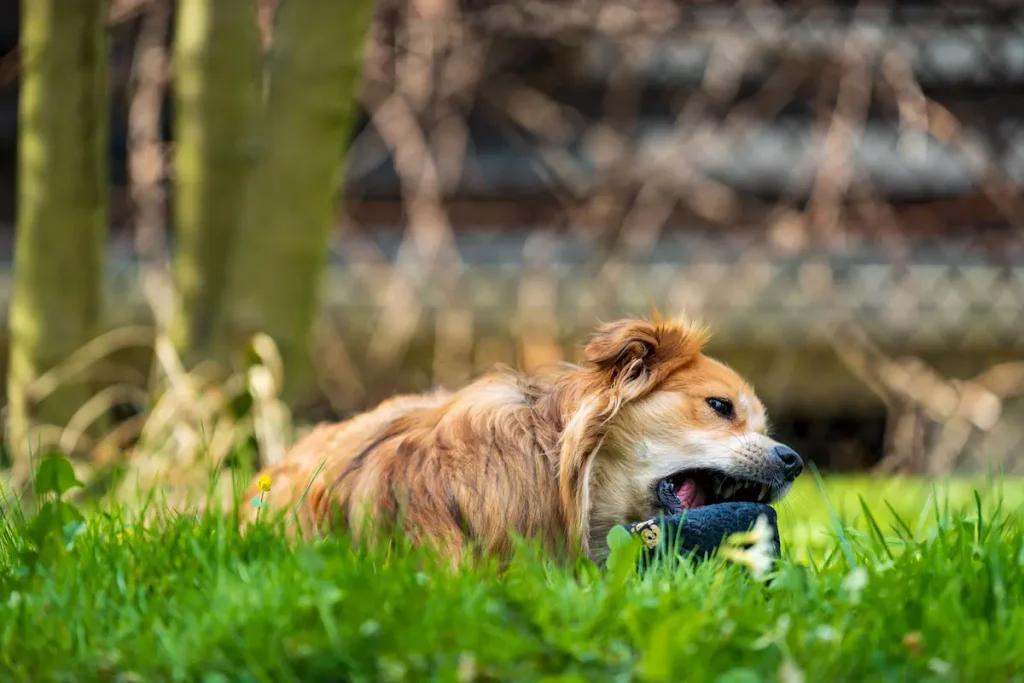
The wrong toy can make playtime uncomfortable or unsafe.
Consider your dog’s size, age, chewing habits, and play style before choosing a toy.
Avoid toys with small detachable parts, damaged sections, or components that could be swallowed. Inspect toys regularly and supervise play, particularly with unfamiliar products.
If your dog suddenly stops enjoying toys they previously loved, especially alongside changes in appetite, movement, or energy, consult a veterinarian to rule out discomfort or illness.
Frequently Asked Questions
Why does my dog show no interest in toys?
Dogs have individual personalities and preferences. Some enjoy exploring, sniffing, or spending time with people more than playing with objects.
How do I make my dog interested in toys if they are an adult?
Adult dogs can learn new play activities. Start with different toy types, gentle interaction, and positive reinforcement. Avoid expecting immediate results.
Should I leave toys out all day?
You can leave a few safe toys accessible, but rotating the selection may help maintain interest. Always consider your dog’s chewing habits and safety.
Is it normal for a dog not to like toys?
Yes. Some healthy dogs simply aren’t interested in traditional toys. Enrichment can also come from sniffing games, training, walks, and exploring their surroundings.
Final Thoughts
Helping your dog discover the joy of play requires patience, observation, and a little experimentation.
If you’re still wondering, how do I make my dog interested in toys?, remember that there isn’t one universal solution. Find activities your dog naturally enjoys, introduce toys gradually, and reward curiosity rather than demanding participation.
The goal isn’t to turn every dog into a ball-chasing enthusiast. It’s to make everyday activities enjoyable, enriching, and rewarding for your companion.
Related Articles:
Why Does My Dog Stare at Me Then Look Away?