
Introduction
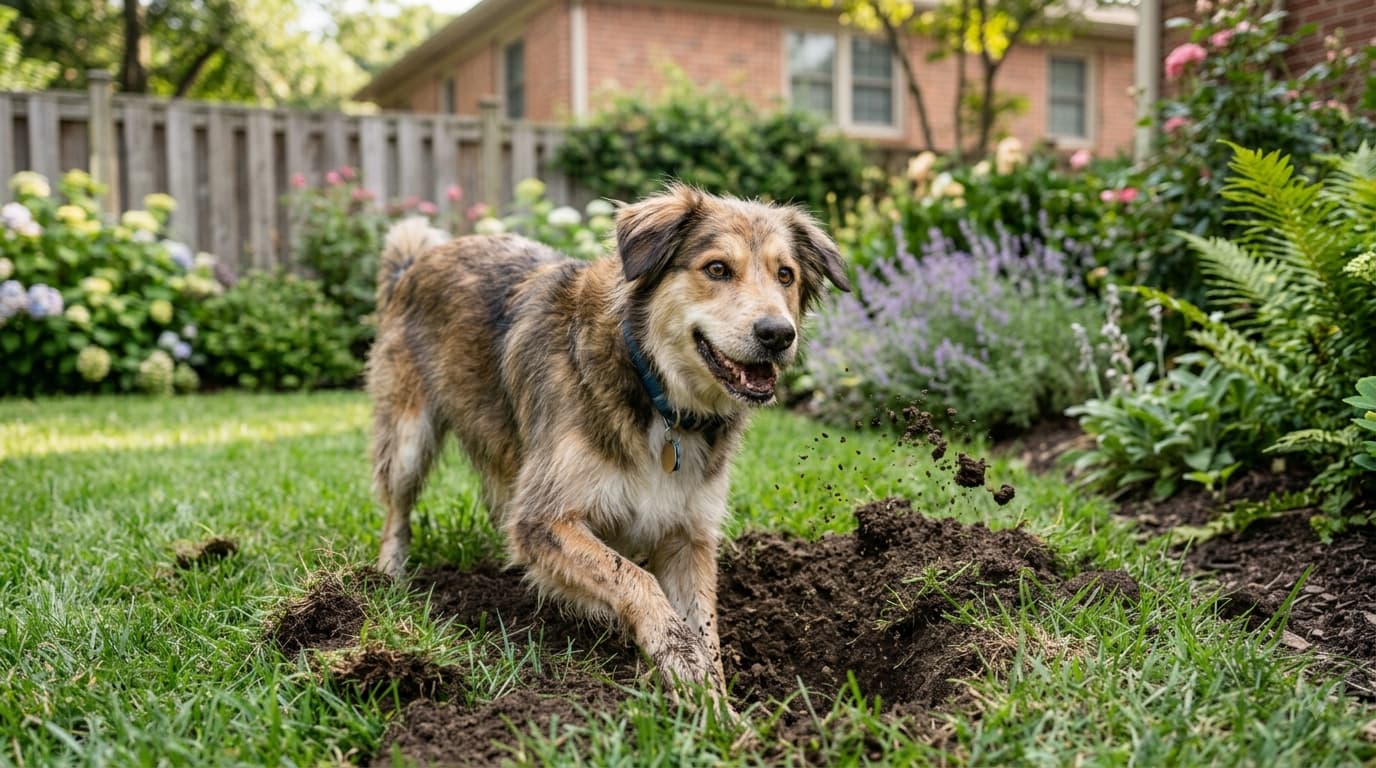
You fill the holes in your yard, turn around for five minutes, and somehow your dog has already started digging another one. If this sounds familiar, you’re definitely not alone.
So, why is my dog digging holes? In most cases, your dog isn’t trying to destroy your yard or annoy you. Digging is a natural behavior that can come from instinct, boredom, curiosity, anxiety, or even a desire to find a cooler place to rest.
The good news is that once you understand why your dog is digging holes, you can usually redirect the behavior without completely taking away something your dog naturally enjoys.
Table of Contents
Quick Answer
Why is my dog digging holes? Dogs may dig because they are bored, looking for something underground, trying to cool down, hiding toys or food, escaping, or simply enjoying the activity. The best solution depends on what is triggering your dog’s digging.
7 Common Reasons Why Dogs Dig Holes
1. Your Dog Is Bored
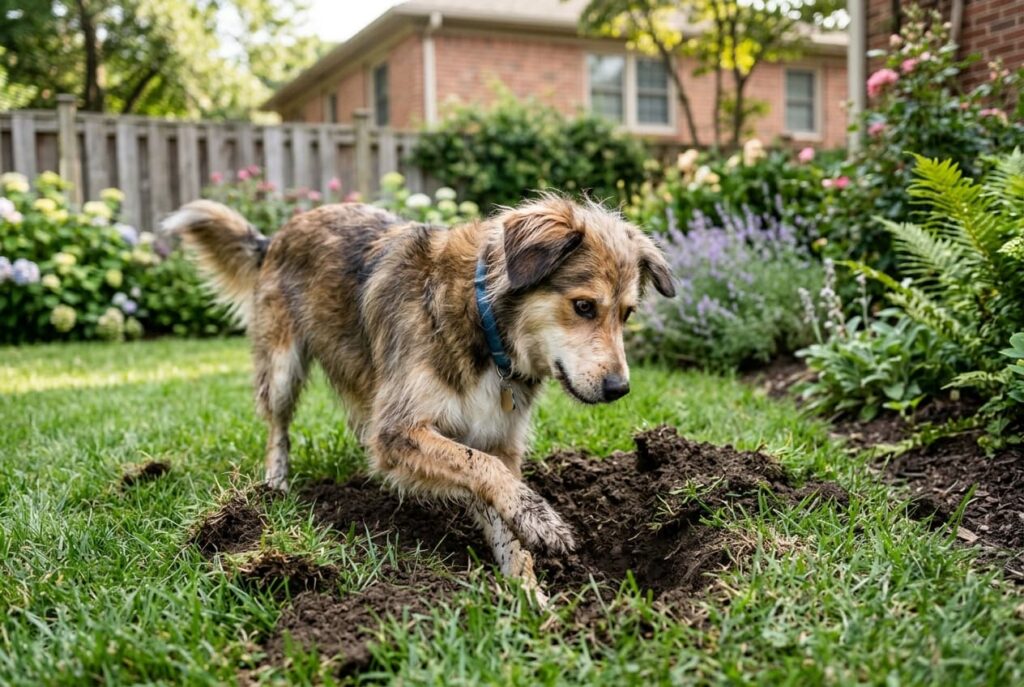
Sometimes the simplest answer is boredom. If your dog has plenty of energy but not enough play, exercise, or mental stimulation, digging can become their favorite backyard activity.
A dog may start with one small hole and quickly turn the whole yard into a project. Regular walks, interactive toys, short training sessions, and supervised outdoor play can give that energy a better outlet.
2. They Are Trying to Cool Down
On a hot day, you may notice your dog digging a shallow hole and then lying in it. Cool soil can provide relief from the heat.
If your dog is digging more during warm weather, provide plenty of shade, fresh water, and a cool place to rest. Avoid leaving them outside for long periods in extreme heat.
3. They Smell Something Underground
Dogs have an incredible sense of smell, so that patch of soil that looks completely ordinary to you may be fascinating to your dog.
Moles, mice, insects, or other small animals underground can encourage digging. Hunting-oriented breeds, particularly some terriers, may have an especially strong instinct to investigate and dig.
4. Your Dog Is Hiding Toys or Food
Ever found a toy or treat mysteriously buried in the yard? Dogs sometimes dig to hide things they consider valuable.
This behavior comes from an instinct to save resources for later. If your dog digs mainly after receiving bones, treats, or favorite toys, this could be the reason.
5. They Want to Escape
If the holes are mostly around your fence, don’t ignore them. Your dog may be trying to get out because they are bored, anxious, curious, or attracted to something outside the yard.
Escape digging can become dangerous if your dog gets through the fence and reaches a road or unfamiliar area. Supervision and secure fencing are important.
6. Digging Is Simply Fun
For some dogs, digging isn’t a problem they’re trying to solve. They genuinely enjoy it.
The movement, smell, texture of the soil, and excitement of making a hole can all be rewarding. In these cases, trying to completely eliminate digging may be harder than teaching your dog where digging is allowed.
7. Your Dog May Be Stressed or Anxious
Digging can sometimes be a way for dogs to cope with stress or anxiety, especially when they are left alone for long periods.
If the digging suddenly becomes intense or happens mainly when your dog is alone, look for other signs of anxiety too. Understanding the trigger is more useful than simply correcting the hole.
How to Stop Your Dog From Digging Holes
The best approach depends on why your dog is digging holes. Instead of punishing your dog after the hole is already there, try redirecting the behavior.
- Give your dog more daily exercise and mental stimulation.
- Supervise backyard time when possible.
- Block access to their favorite digging areas.
- Provide shade and a cool resting spot during hot weather.
- Redirect digging toward a safe activity.
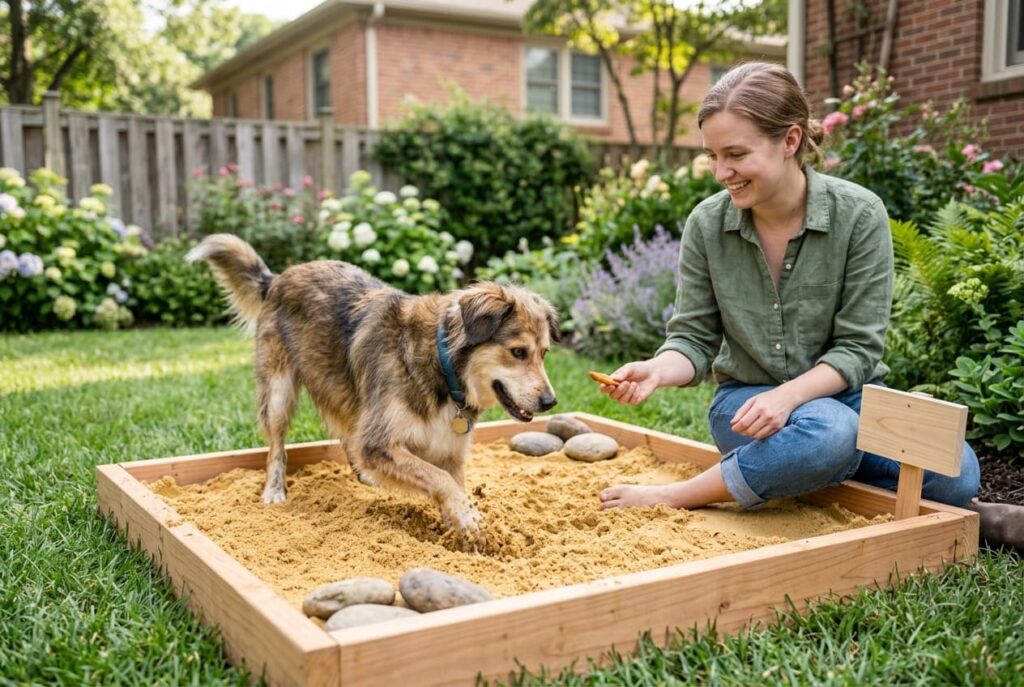
- Consider creating a designated digging area or sandbox.
- Reward your dog when they choose the appropriate area.
A designated digging spot can be surprisingly effective. You can make it more interesting by hiding safe toys there and rewarding your dog for using that area.\
When Should You Be Concerned About Your Dog Digging?
Most digging is a normal dog behavior, so seeing a few holes in the yard isn’t automatically a reason to worry. The bigger clue is a sudden change in how often or how intensely your dog digs.
Pay closer attention if:
- Your dog suddenly starts digging obsessively.
- Digging happens mainly when your dog is left alone.
- Your dog is repeatedly trying to escape under a fence.
- Your dog seems stressed, restless, or unusually anxious.
- Your dog is digging and also eating large amounts of dirt or sand.
If the behavior changes suddenly or comes with other unusual signs, it’s worth discussing with your veterinarian.
A Better Way to Handle Digging
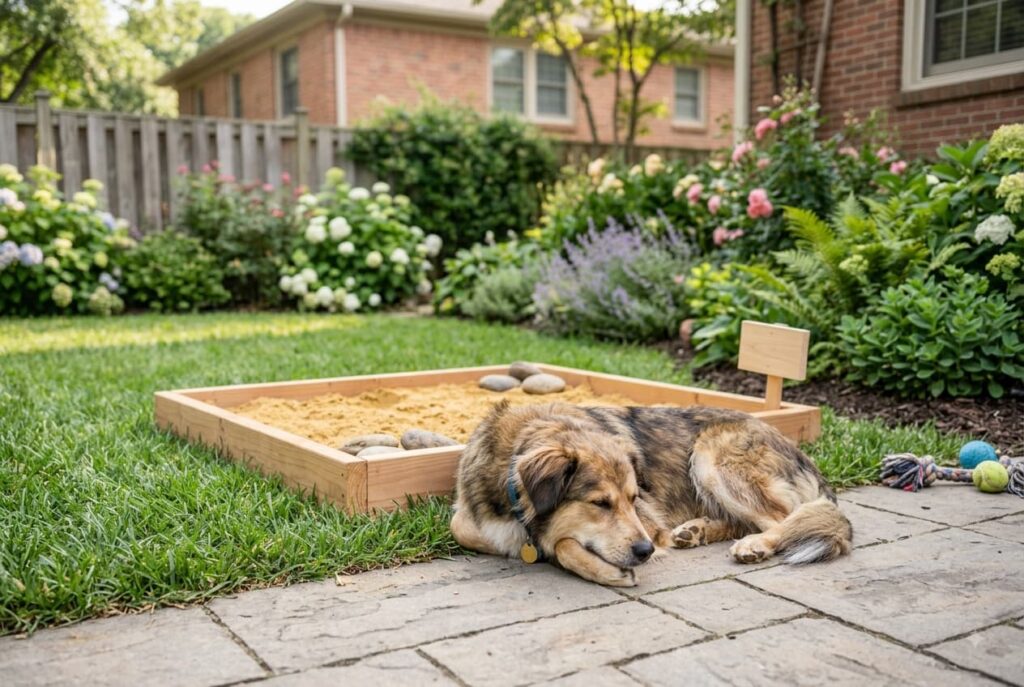
One thing that often gets overlooked is that digging itself isn’t necessarily the enemy. It’s a natural behavior for many dogs. Instead of constantly saying “no,” give your dog a safer outlet.
A small designated digging area can work surprisingly well. You can encourage your dog to use that spot by making it interesting with safe toys and rewards, then calmly redirecting them when they dig somewhere else.
This approach is usually much more realistic than expecting a dog with a strong digging instinct to never dig again.
Frequently Asked Questions
Is it normal for dogs to dig holes?
Yes. Digging is a natural dog behavior and can be linked to instinct, boredom, curiosity, cooling down, or searching for something underground.
Why is my dog digging holes all of a sudden?
A sudden increase in digging can happen because of boredom, stress, heat, changes in routine, or something interesting beneath the soil. Look for what changed around the same time.
What breed of dog digs the most?
Terriers and some hunting breeds may be more likely to dig because they were bred to pursue animals underground.
Should I punish my dog for digging?
Punishment usually isn’t the best approach. It’s more effective to identify the reason for the digging and redirect your dog toward an appropriate activity or digging area.
Can I stop my dog from digging holes?
You can often reduce unwanted digging by providing exercise, mental stimulation, supervision, and a designated digging area where appropriate.
Conclusion
If you’re still wondering why is my dog digging holes, remember that your dog probably isn’t being “bad.” Digging is often a natural and rewarding behavior.
Instead of trying to eliminate it overnight, focus on the reason behind it. Give your dog more appropriate outlets, supervise backyard time, and consider creating a safe digging spot.
With patience and consistency, you can protect your yard while still allowing your dog to be a dog.
For the article’s authority reference, the American Kennel Club’s guide to dog digging is a strong relevant source; it emphasizes identifying the reason for digging and redirecting the behavior rather than simply trying to eliminate a natural instinct.
https://kinshippet.com/how-to-cancel-fetch-pet-insurance-in-2026-step-by-step-guide-for-pet-owners