
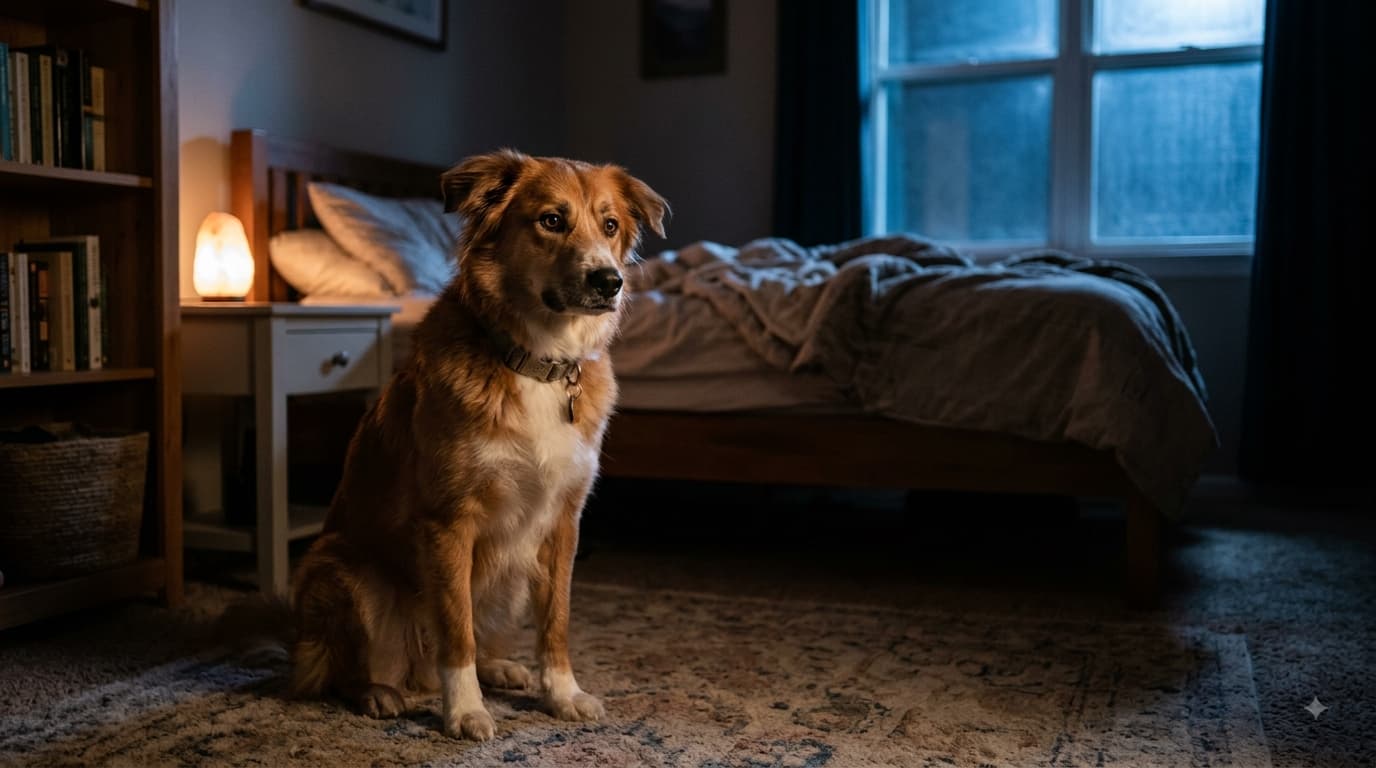
There’s something unsettling about hearing your dog crying at night when the whole house is quiet. You may check on them, give them some attention, and think they’ve finally settled—only to hear the crying again a few minutes later.
So, why is my dog crying at night? The reason can be something simple, like needing to go outside, but nighttime crying can also happen because of anxiety, loneliness, discomfort, or a change in routine.
The good news is that once you understand what your dog is trying to communicate, it becomes much easier to help them settle.
Quick Answer
Why is my dog crying at night? Dogs may cry at night because they need to potty, feel lonely or anxious, are uncomfortable, hear unfamiliar sounds, or have learned that crying gets attention. Older dogs may also become restless at night because of age-related changes.
Table of Contents
Why Is My Dog Crying at Night?
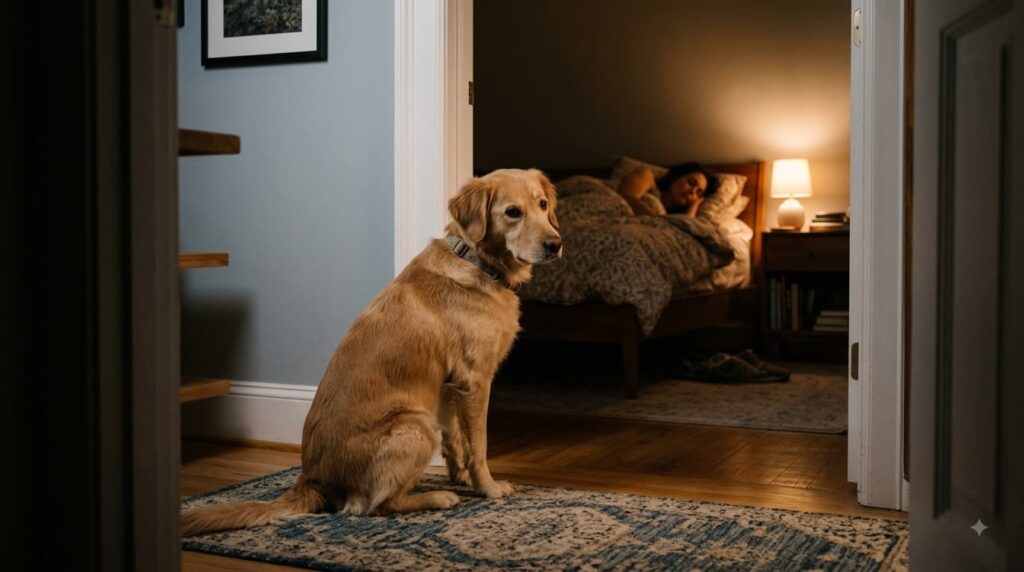
1. Your Dog Needs to Go Outside
This is one of the first things I’d check, especially with puppies or dogs that have recently changed their routine.
Before bedtime, give your dog a calm bathroom break. Puppies may naturally need more nighttime trips because they have smaller bladders.
2. Your Dog Feels Lonely
Some dogs simply don’t like being separated from their people at night.
If your dog usually spends most of the day near you, suddenly sleeping alone can feel strange. They may cry because they’re looking for reassurance and company.
3. Anxiety or Stress
Changes that seem small to us can feel much bigger to a dog.
Moving furniture, visitors, fireworks, thunderstorms, a new pet, or changes in your daily schedule can sometimes make a dog more unsettled at night.
Look for other signs such as:
- Pacing
- Whining or barking
- Restlessness
- Following you around
- Difficulty settling down
4. Your Dog Is Bored
A dog that hasn’t had enough exercise or mental stimulation during the day may still have plenty of energy when everyone else is ready for bed.
A good walk, some play, and a short training session earlier in the evening can help your dog relax naturally.
5. Something Is Making Your Dog Uncomfortable
Pain or physical discomfort can make it difficult for a dog to settle.
If the nighttime crying is new, especially if your dog also struggles to get comfortable, pants excessively, avoids movement, or reacts differently to touch, don’t assume it’s simply a behavior problem.
6. Your Dog Hears Something You Don’t
Dogs hear sounds that can easily go unnoticed by us.
A neighbor outside, another animal, traffic, or unfamiliar noises can make your dog alert at night. If the crying happens at roughly the same time every night, pay attention to what may be happening around the house.
7. Older Dogs May Become Restless at Night
Nighttime restlessness can become more common in senior dogs. Changes in sleep patterns, confusion, anxiety, or other age-related problems may affect their nighttime behavior.
If an older dog suddenly starts crying at night, it’s worth discussing the change with a veterinarian.
How to Help Your Dog Stop Crying at Night
Before bedtime, try keeping things predictable and calm.

- Give your dog a bathroom break.
- Provide enough daytime exercise.
- Offer mental stimulation during the day.
- Keep the bedtime routine consistent.
- Make their sleeping area comfortable.
- Reduce loud or unfamiliar nighttime noises.
- Avoid turning crying into a guaranteed way to get exciting attention.
The goal isn’t simply to make your dog stop making noise. You want to understand why your dog is crying at night and address the reason behind it.
When Should You Worry?
Occasional nighttime crying isn’t always serious. However, take it more seriously if the behavior is sudden, persistent, or accompanied by other unusual changes.
Contact your veterinarian if your dog also has:
- Signs of pain or discomfort
- Difficulty breathing
- Repeated vomiting or diarrhea
- Extreme restlessness
- Major changes in eating or drinking
- Sudden confusion or unusual behavior
For more information about common dog health concerns, PetMD offers helpful veterinary-reviewed resources for dog owners.

Frequently Asked Questions
Why is my dog crying at night all of a sudden?
Sudden nighttime crying can happen because of anxiety, discomfort, a change in routine, or another new trigger. Watch for other behavioral or physical changes.
Should I ignore my dog crying at night?
Not automatically. First make sure your dog doesn’t need to go outside or have a health or comfort problem. Once their needs are met, keep nighttime responses calm and consistent.
Why is my puppy crying at night?
Puppies commonly cry because they miss their littermates, feel alone, or need to go potty. A predictable bedtime routine can help them gradually adjust.
Conclusion
If you’ve been wondering why is my dog crying at night, remember that the crying is usually communication—not your dog simply trying to annoy you.
Check the simple things first, look for changes in your dog’s routine or environment, and pay attention to any signs of discomfort. With patience and a consistent nighttime routine, many dogs gradually become much more comfortable sleeping through the night.