

Hearing your dog sneeze repeatedly can be worrying, especially when it happens without an obvious reason. Sometimes, the cause is simple irritation from dust or strong smells. Other times, repeated sneezing may indicate a nasal problem that needs veterinary attention.
If you’re wondering why does my dog keep sneezing, pay attention to when it starts, how often it happens, and whether your dog has other symptoms.
Table of Contents
Quick Answer: Why Does My Dog Keep Sneezing?
Dogs may keep sneezing because of dust, pollen, nasal irritation, foreign objects, respiratory infections, dental problems, or excitement. Occasional sneezing is often normal, but persistent or worsening symptoms deserve attention. <Cite refs={[“turn210717search0″,”turn210717search2”]}/>
7 Common Reasons Your Dog Keeps Sneezing

1. Dust and Environmental Irritants
Dust, smoke, perfume, air fresheners, and cleaning sprays can irritate a dog’s sensitive nasal passages. Sneezing may start suddenly after cleaning or entering a room with strong fragrances.

What you can do:
- Keep your dog away from smoke and aerosol sprays.
- Clean dusty bedding and resting areas.
- Ventilate rooms when using household cleaners.
2. Seasonal Allergies

Pollen, grass, mold, and dust mites may contribute to nasal irritation. Some dogs also experience itchy skin, watery eyes, paw licking, or frequent scratching.
If you suspect allergies and wonder why does my dog keep sneezing during certain seasons, note when symptoms occur and discuss them with your veterinarian. Don’t give human allergy medicine without veterinary advice.
3. Something Stuck in the Nose

Grass seeds, plant fragments, or other foreign material can trigger sudden, repeated sneezing. Your dog may paw at their muzzle or develop discharge from one nostril.
Important: If sneezing begins suddenly after outdoor activity, contact your veterinarian. Don’t insert tweezers or other objects into your dog’s nose. <Cite refs={[“turn210717search0″,”turn210717search6”]}/>
4. Respiratory or Nasal Infection
Infections and inflammation can cause sneezing alongside nasal discharge, coughing, watery eyes, or tiredness. Other nasal conditions can produce similar symptoms, so sneezing alone cannot confirm an infection.
If you’re asking why does my dog keep sneezing along with coughing or unusual discharge, arrange a veterinary examination. Keep your dog away from other dogs if an infectious illness is suspected until your vet advises you.
5. Dental Problems
Problems affecting the upper teeth or tooth roots can sometimes extend into the nearby nasal area. Warning signs may include bad breath, difficulty chewing, facial swelling, or nasal discharge.
A veterinary examination can help determine whether dental disease is contributing to the sneezing.
Dental problems can sometimes contribute to nasal symptoms. Learn more about why dogs have bad breath and other signs of poor oral health.
6. Excitement and Play
Some dogs sneeze briefly when playing, greeting family members, or becoming excited. This can be a normal behavior and may help communicate playful intentions.
If you wonder why does my dog keep sneezing mainly during play, observe whether it stops when your dog settles down. Persistent sneezing or other symptoms still need attention. <Cite refs={[“turn210717search0”]}/>
7. Other Nasal Conditions
Persistent sneezing may sometimes be associated with nasal mites, fungal disease, polyps, or other growths. These conditions are less straightforward to identify at home.
Watch for:
- Repeated nosebleeds.
- Discharge mainly from one nostril.
- Ongoing facial discomfort or nose rubbing.
- Symptoms that gradually worsen.
These signs warrant veterinary assessment rather than repeated home treatments. <Cite refs={[“turn210717search2″,”turn210717search12”]}/>
What Should You Do If Your Dog Keeps Sneezing?
When you’re unsure why does my dog keep sneezing, these practical steps can help you monitor the situation safely:
- Track the pattern: Note when sneezing starts and whether it follows outdoor walks, cleaning, or play.
- Reduce irritants: Avoid smoke, strong fragrances, and dusty spaces.
- Observe other symptoms: Check for discharge, coughing, appetite changes, or discomfort.
- Avoid home remedies: Don’t put essential oils, human nasal sprays, or unprescribed drops into your dog’s nose.
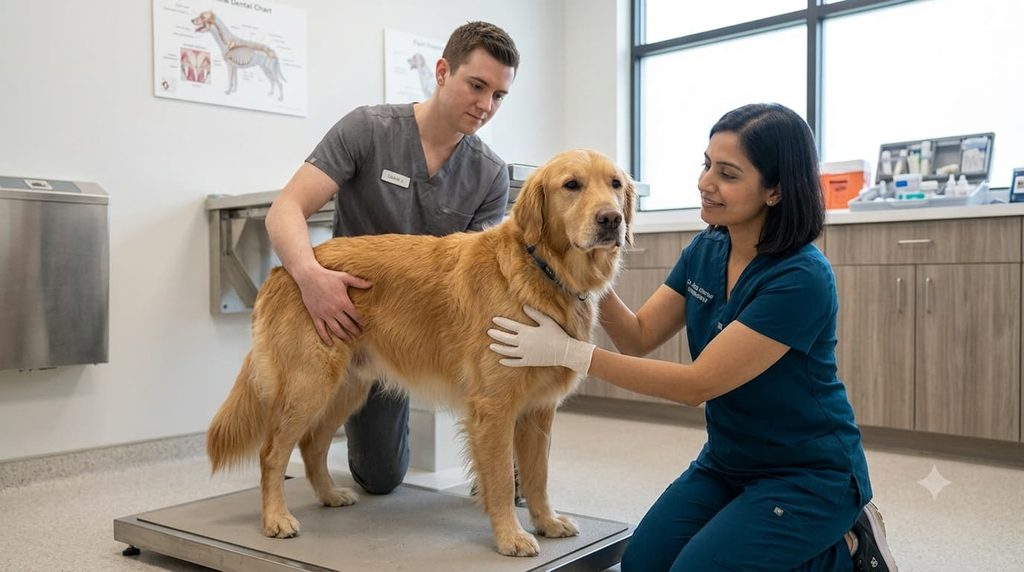
- Contact your vet: Seek advice if sneezing continues, returns frequently, or worsens.
Get emergency veterinary care if your dog struggles to breathe or experiences severe distress. Bloody nasal discharge, significant facial swelling, or suspected material lodged in the nose also needs prompt veterinary attention. <Cite refs={[“turn210717search4″,”turn210717search6”]}/>
Frequently Asked Questions
Is it normal for dogs to sneeze repeatedly?
Occasional sneezing is common, but repeated or persistent bouts may indicate irritation or an underlying nasal problem.
Why does my dog keep sneezing but seem fine?
Mild irritation or excitement may be responsible. Monitor your dog, but contact a veterinarian if the sneezing persists or worsens.
Can allergies make dogs sneeze?
Yes. Environmental allergens may contribute to sneezing, although allergies are not the only possible cause.
Should I worry if my dog sneezes blood?
Yes. Contact a veterinarian promptly for bloody nasal discharge. Seek emergency care if bleeding is heavy or your dog has breathing difficulties or severe weakness.
When should I take my dog to the vet?
Arrange an examination for persistent sneezing, repeated discharge, nosebleeds, facial discomfort, or other concerning symptoms. Breathing difficulty is an emergency.
Conclusion
Understanding why does my dog keep sneezing starts with noticing the pattern and checking for other symptoms. Dust or excitement may explain occasional sneezes, but persistent symptoms should not be ignored. Reduce possible irritants, avoid unapproved treatments, and consult your veterinarian when needed.