
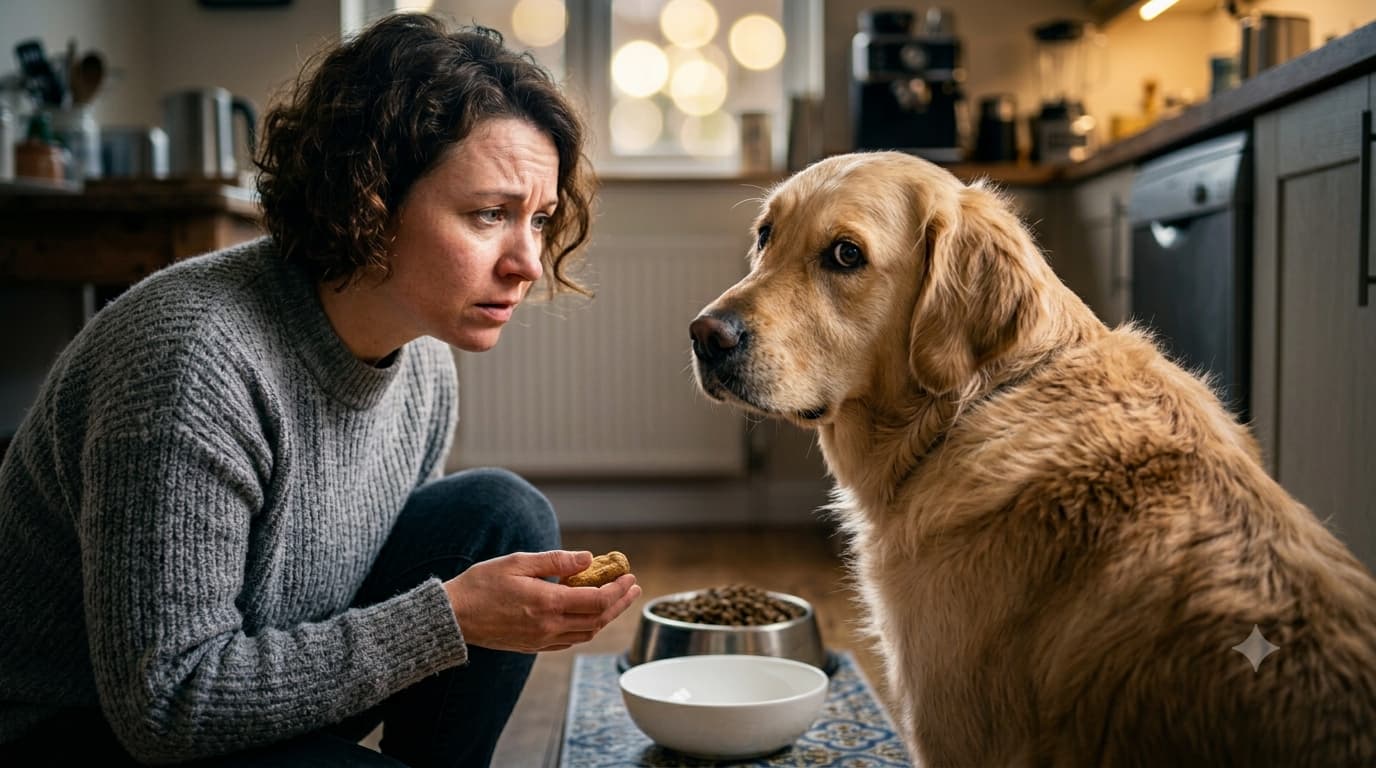
Have you ever filled your dog’s bowl, called them for dinner, and then watched them walk away without taking a single bite?
As a dog owner, I know how worrying that moment can be.
I still remember the first time it happened with my dog. He normally came running the second he heard food hit the bowl. One evening, he sniffed his dinner, looked at me, and walked away. At first, I assumed he wasn’t hungry. But when he skipped his next meal too, I started asking myself the same question thousands of dog owners search every month:
Why is my dog not eating?
The truth is that dogs can stop eating for many different reasons. Some causes are completely harmless, while others may require immediate veterinary attention.
In this guide, you’ll learn the most common reasons your dog may refuse food, warning signs to watch for, and what you should do next.
Table of Contents
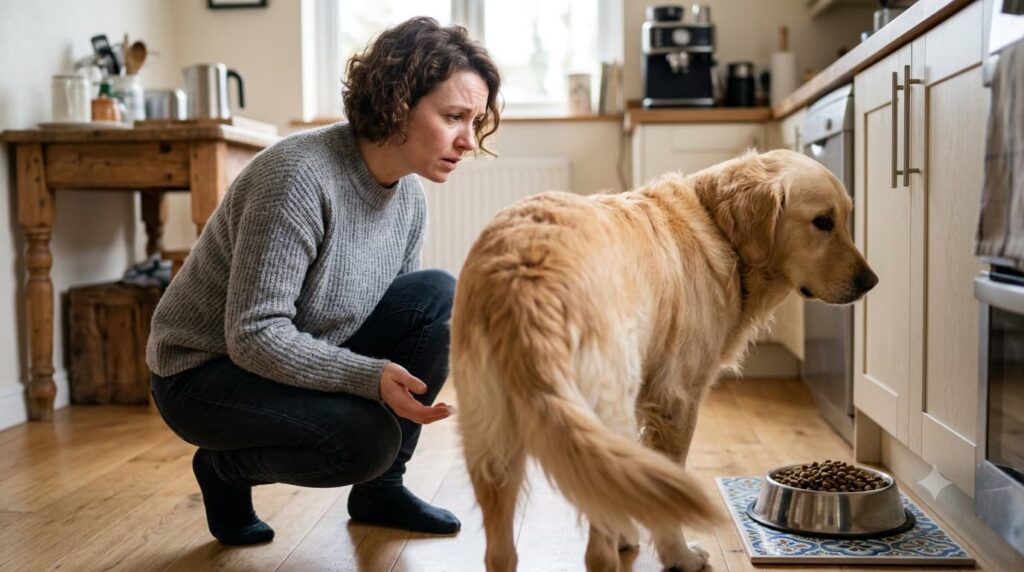
Is It Normal for Dogs to Skip a Meal?
Sometimes, yes.
Just like humans, dogs occasionally lose their appetite for a short period.
A healthy adult dog may occasionally skip a meal without it being a serious problem.
However, if your dog refuses food for more than 24 hours or shows additional symptoms, it’s important to investigate the cause.
1. Your Dog May Simply Not Be Hungry
One of the simplest answers to why is my dog not eating is that they aren’t hungry.
This can happen if:
- They received too many treats
- They ate table scraps
- They exercised less than usual
- Their feeding schedule changed
Before panicking, consider whether your dog may have already consumed enough calories.
2. Stress or Anxiety
Dogs can lose their appetite when they feel stressed.
Common stress triggers include:
- Moving to a new home
- Traveling
- Loud noises
- Fireworks
- New pets
- Changes in routine
If your dog seems nervous and refuses food, emotional stress could be the cause.
3. Dental Problems
Many owners overlook oral health.
A dog suffering from dental pain may want to eat but find chewing uncomfortable.
Signs include:
- Bad breath
- Swollen gums
- Drooling
- Pawing at the mouth
- Difficulty chewing
Dental disease is one of the most common causes of appetite loss in dogs.
4. Digestive Upset
Sometimes the answer to why is my dog not eating lies in the stomach.
Common digestive issues include:
- Gas
- Mild nausea
- Indigestion
- Stomach irritation
A dog with an upset stomach may temporarily avoid food until they feel better.
5. Recent Vaccinations or Medication
Certain medications and vaccines can cause short-term appetite loss.
This side effect is usually temporary and resolves within a day or two.
If appetite loss continues, contact your veterinarian.
6. Your Dog Doesn’t Like the Food
Dogs can be surprisingly picky.
If you’ve recently changed:
- Food brand
- Flavor
- Formula
- Feeding routine
your dog may simply dislike the new food.
Gradual transitions often help prevent this problem.
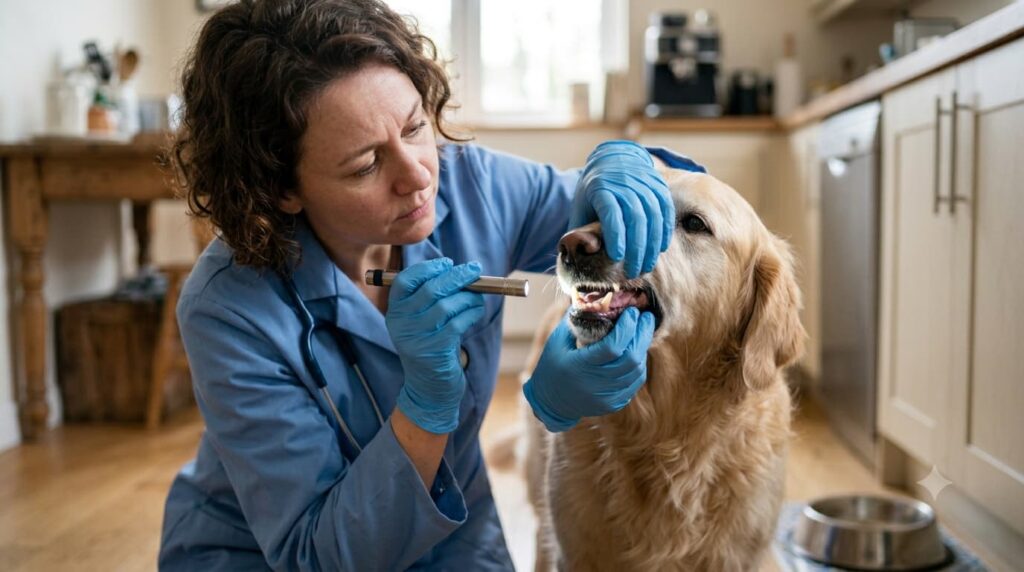
7. Illness or Infection
Many illnesses can cause appetite loss.
Examples include:
- Viral infections
- Bacterial infections
- Fever
- Inflammatory conditions
When a dog feels sick, eating is often one of the first things they stop doing.
8. Pain or Injury
Pain can significantly reduce appetite.
Dogs experiencing:
- Arthritis
- Back pain
- Injuries
- Internal discomfort
may refuse food because they don’t feel well enough to eat.
9. Heat and Weather Changes
Hot weather frequently affects appetite.
Many dogs naturally eat less during warm temperatures.
If you’re also wondering why is my dog panting so much, heat could be affecting both appetite and breathing.
👉
Why Is My Dog Panting So Much?
10. Aging and Senior Dog Issues
Older dogs often experience changes in appetite.
Common reasons include:
- Reduced smell
- Dental disease
- Chronic pain
- Organ disease
If a senior dog suddenly stops eating, a veterinary checkup is highly recommended.
11. Serious Medical Conditions
Sometimes appetite loss can signal a more serious health issue.
Examples include:
- Kidney disease
- Liver disease
- Heart disease
- Cancer
- Pancreatitis
These conditions often require professional diagnosis and treatment.

Dog Not Eating But Drinking Water
Many owners search for:
“dog not eating but drinking water”
This can happen with:
- Mild stomach upset
- Stress
- Dental pain
- Certain illnesses
While drinking water is a positive sign, persistent appetite loss still requires attention.
Dog Not Eating But Acting Normal
Another common question is:
“dog not eating but acting normal”
If your dog:
- Has normal energy
- Drinks water
- Uses the bathroom normally
the issue may be minor.
However, if appetite loss lasts more than 24–48 hours, consult your veterinarian.
When Should You Call a Vet?
Contact a veterinarian immediately if your dog refuses food and also has:
- Vomiting
- Diarrhea
- Difficulty breathing
- Lethargy
- Weight loss
- Fever
- Blood in stool
- Signs of pain
These symptoms may indicate a serious medical problem.
What Can You Do at Home?
1. Check for Dental Problems
Look for swollen gums or broken teeth.
2. Offer Fresh Water
Hydration remains extremely important.
3. Reduce Stress
Create a calm environment.
4. Warm the Food Slightly
This can increase aroma and encourage eating.
5. Monitor Symptoms
Track changes in behavior, energy, and bathroom habits.
My Personal Experience
When my dog skipped dinner for the first time, I immediately assumed something serious was wrong.
After monitoring him closely, I discovered he had eaten several treats earlier that day and simply wasn’t hungry.
The next morning, he finished breakfast as usual.
That experience taught me an important lesson:
Not every case of appetite loss is an emergency.
However, it’s always worth paying attention because dogs often communicate discomfort through changes in eating habits.
Final Thoughts
If you’ve been asking why is my dog not eating, remember that the cause could range from something simple like stress or picky eating to a more serious medical condition.
Occasional appetite loss isn’t always dangerous.
Persistent appetite loss is different.
Pay attention to your dog’s behavior, watch for warning signs, and don’t hesitate to contact your veterinarian when something feels wrong.
Your dog can’t tell you what’s bothering them, but their eating habits often provide important clues.
Frequently Asked Questions
Why is my dog not eating but drinking water?
Stress, mild digestive upset, dental issues, and illness are common causes.
Why is my dog not eating but acting normal?
Some dogs temporarily lose interest in food without being sick.
How long can a dog go without eating?
Healthy dogs can sometimes go a day or two without food, but veterinary advice is recommended if appetite loss continues.
Why won’t my dog eat his food but eats treats?
This may indicate picky eating behavior or a developing health issue.
Should I worry if my dog skips one meal?
Not necessarily. Monitor behavior and appetite over the next 24 hours.
Why is my senior dog not eating?
Dental disease, chronic pain, and age-related illnesses are common causes.
Can anxiety cause appetite loss in dogs?
Yes. Stress and anxiety frequently affect eating habits.
What should I feed a dog that won’t eat?
Speak with your veterinarian before making major dietary changes.
Can hot weather affect appetite?
Yes. Many dogs naturally eat less during hot temperatures.
When should I call a veterinarian?
If appetite loss lasts more than 24–48 hours or is accompanied by other symptoms.
What Do I Do If My Dog Won’t Eat?
Offer fresh water and their usual food, and watch for other symptoms. If your dog refuses food for an extended period or seems sick, contact a veterinarian.
When Should I Be Concerned About My Dog Not Eating?
Be concerned if your dog refuses food for an extended period or also has vomiting, diarrhea, weakness, pain, or other unusual symptoms. In these cases, contact a veterinarian.
For additional information about dog nutrition, appetite loss, and overall canine health, pet owners can refer to trusted resources from the American Kennel Club (AKC) and PetMD.
2 thoughts on “Why Is My Dog Not Eating? 11 Causes, Warning Signs & When to Call a Vet”