
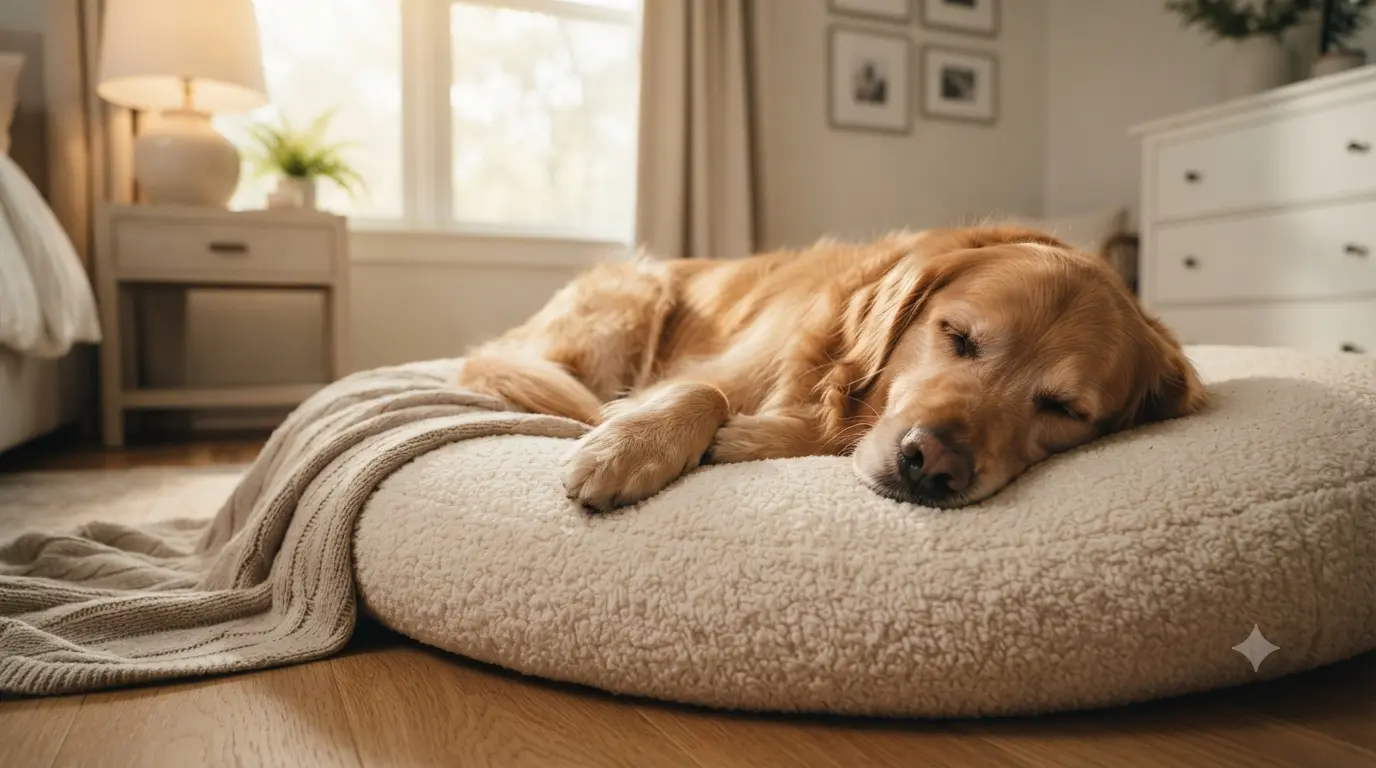
Have you ever watched your dog fall asleep in one position, only to find him lying somewhere completely different a few minutes later? Perhaps he starts curled up in a little ball, stretches out on his side, and eventually moves closer to your feet.
If you’re wondering, why does my dog keep changing sleeping positions, you’re not alone. Many dog owners notice this behavior and wonder whether their furry companion is simply getting comfortable or trying to communicate something.
The good news is that changing sleeping positions is often a normal part of canine behavior. Dogs adjust their bodies for comfort, temperature, relaxation, and other reasons. However, sudden changes in sleeping habits can sometimes indicate discomfort or an underlying health concern.
Let’s explore seven possible reasons behind this behavior and when you should pay closer attention.
Table of Contents
Quick Overview: Why Does My Dog Keep Changing Sleeping Positions?
| Possible reason | What it may indicate |
|---|---|
| 1. Finding a comfortable position | Physical comfort |
| 2. Regulating body temperature | Feeling too warm or cold |
| 3. Responding to surroundings | Noise, light, or movement |
| 4. Natural sleep cycles | Changing sleep stages |
| 5. Seeking closeness | Wanting to sleep near you |
| 6. Joint or body discomfort | Difficulty getting comfortable |
| 7. Natural sleeping instincts | Different resting preferences |
7 Reasons Why Does My Dog Keep Changing Sleeping Positions
1. Your Dog Is Trying to Get Comfortable

One of the most common explanations for why does my dog keep changing sleeping positions is simply comfort.
Dogs don’t always find their perfect resting position immediately. They may stretch their legs, turn onto their side, curl up, or move slightly before settling down.
For example, your Labrador might initially lie on his stomach before stretching out across his favorite blanket.
This behavior is generally normal when your dog eventually settles down and appears relaxed.
What to notice: If your dog changes positions occasionally but sleeps peacefully afterward, comfort is a likely explanation.
2. He Is Trying to Regulate His Body Temperature

Dogs adjust their sleeping positions to help manage body heat.
When a dog feels cold, curling into a ball can help conserve warmth. When he feels warm, stretching out on a cooler surface may help release excess body heat.
You might notice your dog moving from a soft blanket to a cool floor during warmer nights.
These changes are part of normal dog sleeping habits.
What to notice: Look for a comfortable room temperature, fresh water, and a well-ventilated sleeping area.
3. Something in His Environment Is Disturbing Him
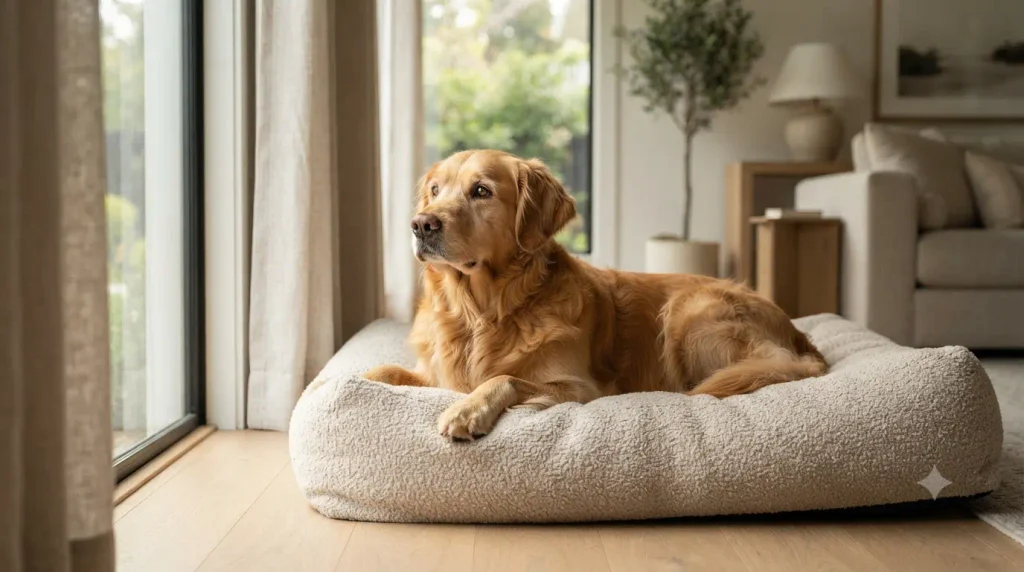
Dogs can be sensitive to sounds, light, movement, and changes in their surroundings.
A passing vehicle, someone walking through the room, or a sudden household noise might encourage your dog to adjust his position.
Sometimes, he isn’t uncomfortable with his body at all. He may simply be responding to what’s happening around him.
If your dog frequently changes positions but appears alert whenever something happens nearby, environmental disturbances could be contributing.
Try providing a quieter sleeping space with comfortable bedding.
4. Your Dog Is Moving Between Sleep Stages

Like humans, dogs experience different stages of sleep.
During deeper sleep, you might notice twitching paws, small movements, or changes in breathing. Dogs can also shift their positions between periods of rest and deeper sleep.
If you’re wondering why does my dog keep changing sleeping positions throughout the night, natural sleep patterns may be part of the explanation.
Occasional movement during sleep is generally not unusual.
However, repeated waking, obvious distress, or difficulty settling down deserves closer attention.
5. He Wants to Sleep Closer to You

Here’s something many dog owners find adorable: your dog may change positions because he wants to stay close to you.
Some dogs move toward their owner’s feet, settle beside the bed, or adjust their position to maintain physical closeness.
This behavior may reflect companionship, familiarity, and a preference for sleeping near someone they trust.
For instance, your dog might begin the night in his own bed but eventually move closer to your side.
As long as everyone sleeps comfortably, this is generally a normal behavior.
6. Your Dog May Be Experiencing Joint or Body Discomfort
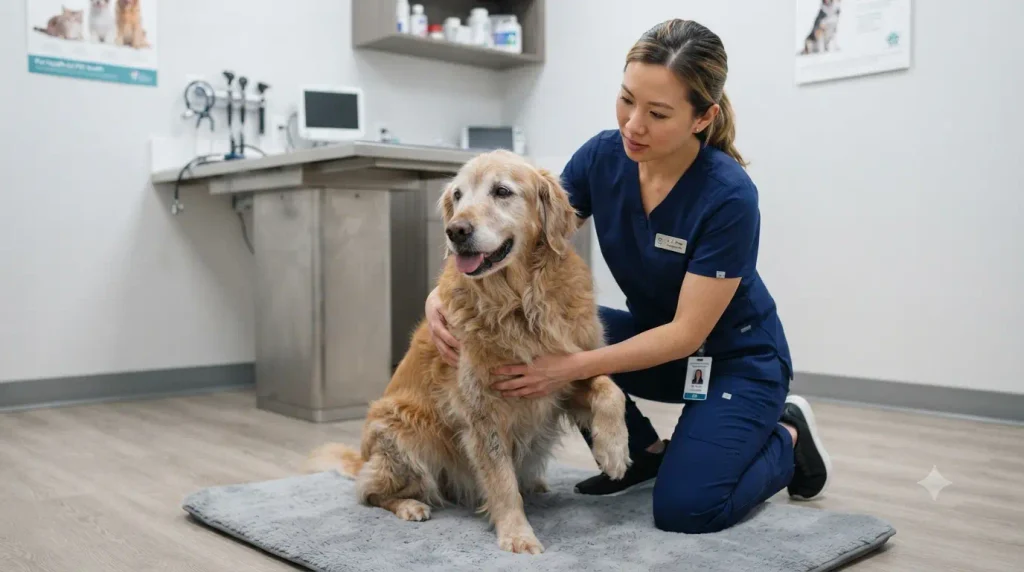
Sometimes, frequent position changes are not simply about finding a comfortable sleeping spot.
Dogs experiencing joint stiffness, muscle soreness, arthritis, or other physical discomfort may struggle to settle into one position.
This is particularly worth watching if your dog is older or has a history of mobility problems.
Look for additional signs such as:
- Difficulty getting up after resting.
- Stiffness when walking.
- Hesitation before jumping or climbing stairs.
- Whining or reacting when touched.
- Restlessness that seems unusual for your dog.
If you notice these changes, arrange a veterinary examination. Don’t assume that frequent movement is simply a normal sleeping habit.
7. Your Dog Has Natural Sleeping Instincts
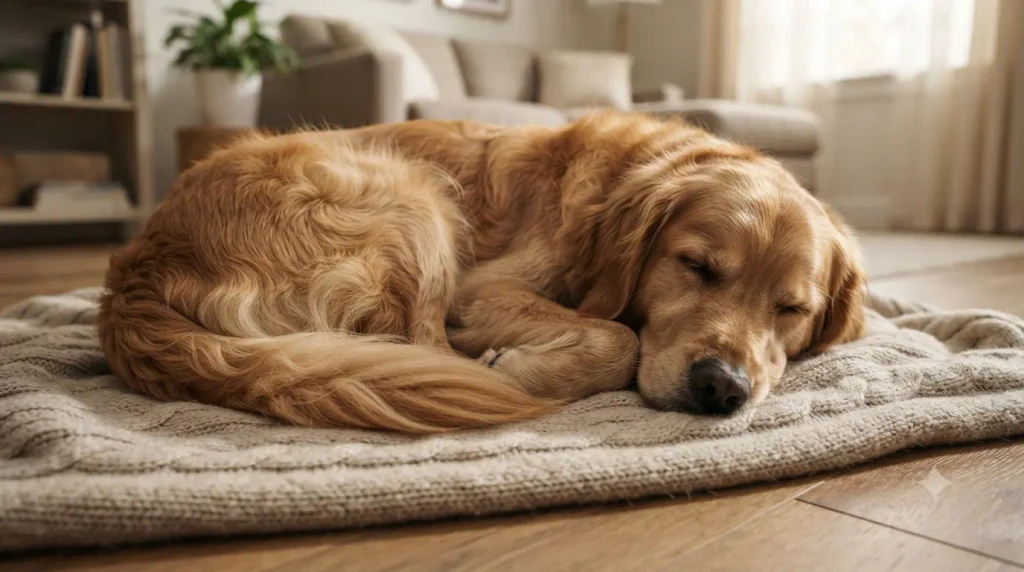
Dogs have inherited resting behaviors that influence how they choose to sleep.
Curling up can help conserve warmth and make a dog feel secure. Stretching out may provide greater comfort and allow more freedom of movement.
Some dogs also prefer sleeping against furniture, near walls, or in enclosed spaces.
These preferences can vary depending on personality, age, environment, and individual comfort.
So, if you’re asking why does my dog keep changing sleeping positions, remember that there isn’t one sleeping position that every dog naturally prefers.
What Can You Do to Help Your Dog Sleep Comfortably?
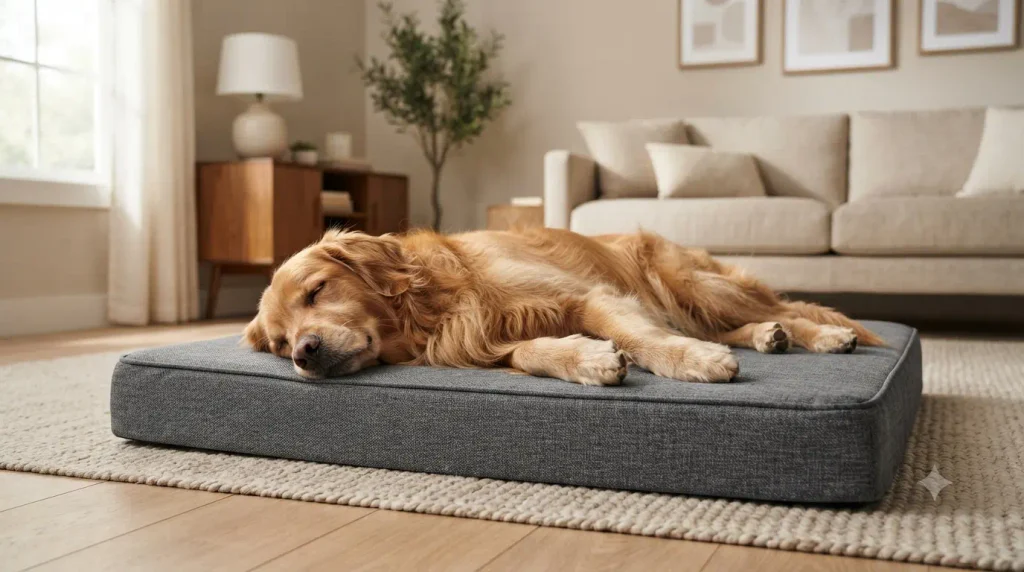
A comfortable sleeping environment can make a meaningful difference to your dog’s rest.
Here are a few simple steps:
- Choose supportive bedding: Provide a comfortable bed appropriate for your dog’s size and needs.
- Maintain a comfortable temperature: Avoid excessively hot or cold sleeping areas.
- Create a quiet environment: Reduce unnecessary noise and nighttime disturbances.
- Keep his sleeping area clean: Wash bedding regularly and remove anything that could cause irritation.
- Observe his sleeping habits: Notice whether position changes are occasional or accompanied by unusual behavior.
These small adjustments can help your dog enjoy a more comfortable resting environment.
When Should You Be Concerned?

Occasionally changing sleeping positions is usually normal. However, a noticeable change in your dog’s usual sleeping behavior shouldn’t automatically be ignored.
Contact your veterinarian if your dog:
- Repeatedly struggles to settle down.
- Frequently wakes up and appears uncomfortable.
- Shows signs of pain or stiffness.
- Develops unusual breathing patterns during rest.
- Becomes unusually restless or changes his daily behavior.
If your dog has difficulty breathing, seek urgent veterinary care.
Paying attention to these changes can help you recognize when your dog needs professional attention.
Frequently Asked Questions
Why does my dog keep changing sleeping positions throughout the night?
Dogs may change positions to improve comfort, regulate body temperature, respond to their surroundings, or move between sleep stages. Occasional changes are generally normal.
Is it normal for dogs to sleep in different positions?
Yes. Dogs commonly sleep on their sides, stomachs, backs, or curled into a ball. Their preferred position can change depending on comfort and temperature.
Why does my dog keep moving around before falling asleep?
Your dog may be adjusting his bedding, searching for a comfortable position, or responding to his surroundings. Persistent restlessness, however, may deserve veterinary attention.
Do dog sleeping positions reveal how they feel?
Sometimes. A curled-up position may help conserve warmth, while sleeping on the side can indicate relaxation. However, sleeping positions alone cannot reliably determine a dog’s emotional or physical condition.
Final Thoughts
If you’ve been wondering, why does my dog keep changing sleeping positions, remember that most dogs naturally adjust their bodies throughout the night.
Sometimes, your dog is simply searching for the perfect comfortable spot. Other times, temperature, surroundings, or natural sleeping instincts may explain the behavior.
The important thing is to understand what’s normal for your individual dog. If you notice sudden changes, persistent restlessness, or signs of discomfort, don’t hesitate to consult your veterinarian.
After all, a good night’s sleep matters to your dog just as much as it matters to you.
“According to the American Kennel Club, understanding your dog’s sleeping habits and everyday behavior can help you recognize what is normal for your pet.”