
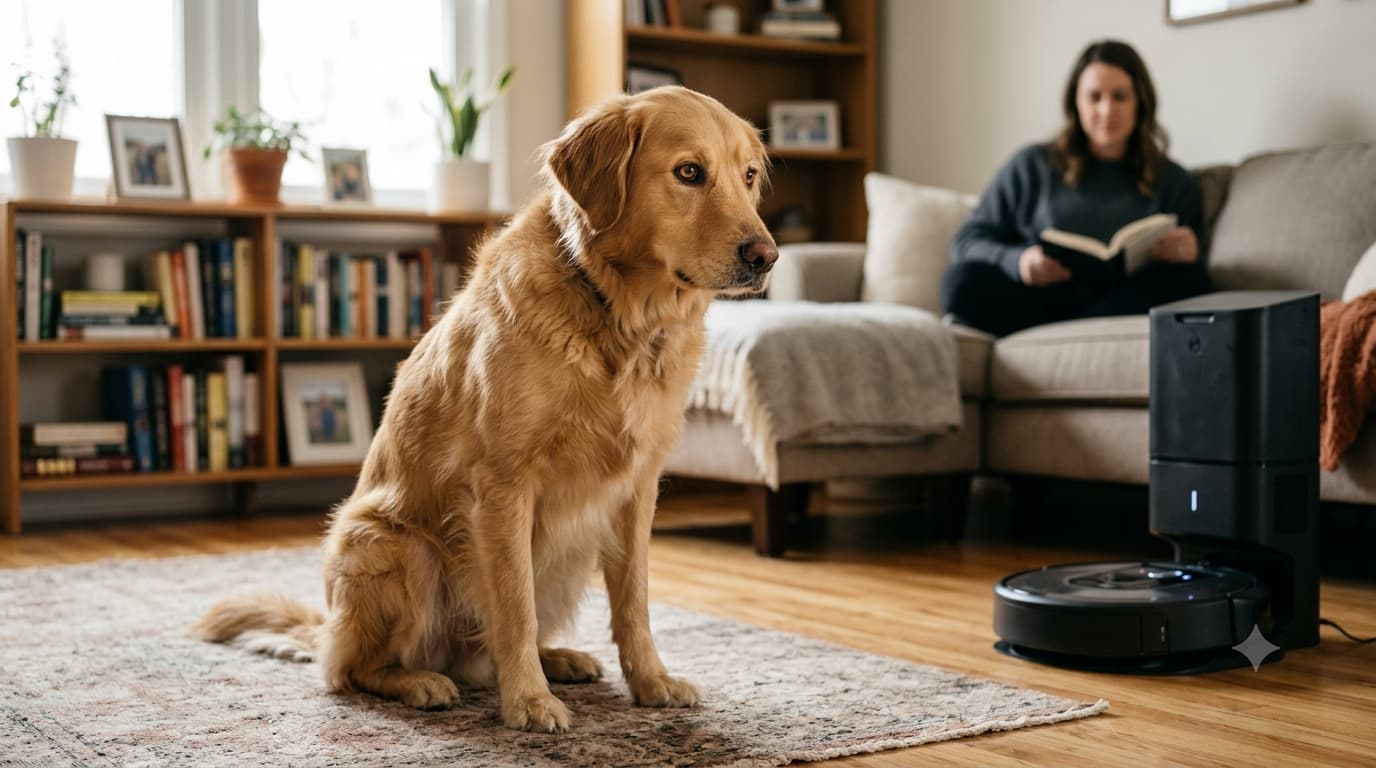
If your dog seems scared of almost everything—a strange noise, a visitor, another dog, or even something completely normal at home—it can be difficult to understand what’s going on.
You may start wondering, “Why is my dog afraid of everything?”
Sometimes a fearful dog simply needs more time to feel comfortable. But fear can also come from past experiences, lack of socialization, sudden changes, anxiety, or even an underlying health problem.
The good news is that fear doesn’t mean your dog is “broken.” With patience and the right approach, many dogs can become more confident.
Table of Contents
Quick Answer
Why is my dog afraid of everything? Your dog may be fearful because of genetics, limited early socialization, a previous frightening experience, anxiety, environmental changes, or pain. If the fear suddenly appears or is getting worse, it’s important to look for other changes in your dog’s behavior or health.
First, think about:
- When did the fear begin?
- What situations trigger it?
- Was there a recent change at home?
- Does your dog hide, shake, or try to escape?
- Are they eating, sleeping, and behaving normally?
9 Common Reasons Your Dog May Be Afraid
1. Limited Socialization
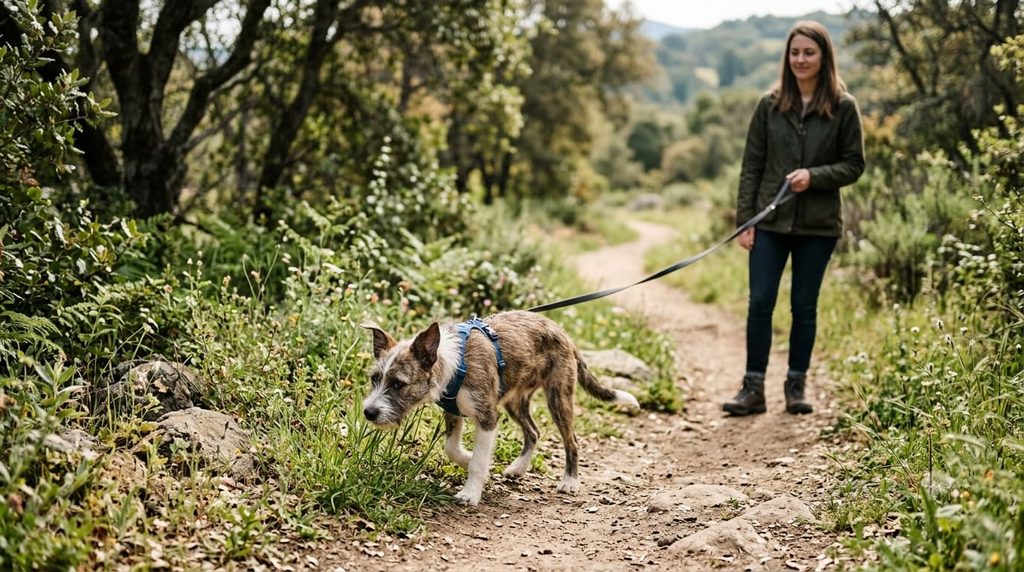
Dogs that weren’t gradually exposed to different people, sounds, places, and experiences when young may find unfamiliar situations overwhelming.
Even ordinary things can seem frightening when they’re completely new.
Gradual socialization can help dogs become more comfortable with unfamiliar experiences. The American Kennel Club also provides helpful resources on dog socialization and behavior.
2. A Previous Bad Experience
One frightening experience can sometimes affect how a dog reacts later.
For example, a dog that was startled by a loud noise may become nervous whenever they hear something similar.
Fear can develop around:
- Loud noises
- Certain people
- Other dogs
- Car rides
- Grooming
- Unfamiliar places
3. Genetics and Temperament
Some dogs are naturally more cautious than others.
Breed tendencies and individual temperament can influence how confidently a dog approaches new situations. A naturally sensitive dog may need more time and encouragement than a bold, outgoing dog.
4. Anxiety
An anxious dog may seem worried even when there isn’t an obvious danger.
You might notice:
- Trembling
- Pacing
- Hiding
- Excessive licking
- Avoiding eye contact
- Following you constantly
If fear appears in many different situations, anxiety could be part of the picture.
Anxiety can also make dogs withdraw from normal activities or hide in quiet places. If your dog is doing this too, read our guide on Why Is My Dog Hiding?
5. Changes in the Environment
Dogs notice changes in their surroundings more than we sometimes realize.
Moving homes, getting new furniture, having visitors, bringing home another pet, or changing daily routines can temporarily make some dogs feel less secure.
6. Loud or Unfamiliar Sounds
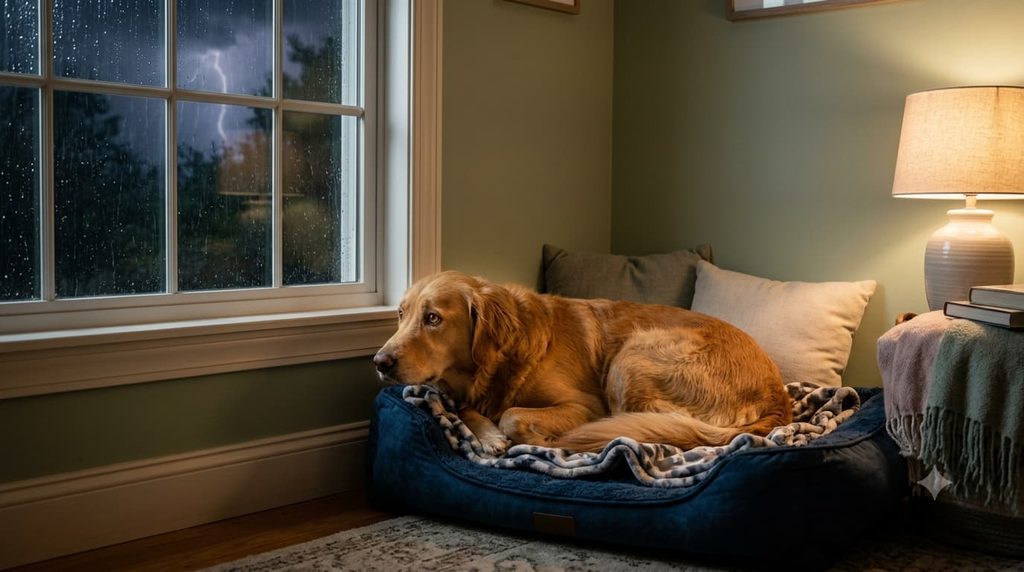
Thunder, fireworks, construction, vacuum cleaners, alarms, and other sudden noises can frighten dogs.
Some dogs become so sensitive to sounds that they start anticipating them and become nervous before the noise even happens.
7. Pain or Illness
A dog that suddenly becomes fearful deserves extra attention.
Pain or illness can change behavior, making a normally confident dog more withdrawn or nervous.
Watch for other changes such as:
- Loss of appetite
- Limping
- Unusual tiredness
- Whining when touched
- Changes in sleeping habits
If your dog’s fear appears suddenly alongside physical or behavioral changes, PetMD provides veterinary-reviewed information about common dog health concerns.
8. Fear of Being Punished
Dogs can become nervous if they frequently experience yelling, harsh corrections, or frightening reactions from people.
If your dog looks scared when you raise your voice or approach them, focus on creating calm, predictable interactions instead.
9. Separation or Attachment Anxiety
Some dogs become fearful when they’re separated from the person they trust most.
They may become anxious when you leave, follow you around the house, or become especially nervous when they can’t see you.
What Should You Do If Your Dog Is Afraid?

Don’t force a frightened dog to “face their fear” all at once.
Instead:
- Give them a safe, quiet place.
- Stay calm and speak gently.
- Introduce new things gradually.
- Reward calm behavior with treats or praise.
- Keep their daily routine predictable.
- Avoid punishment when they’re frightened.
The goal isn’t to make your dog fearless overnight. It’s to help them gradually learn that unfamiliar situations can be safe.
Fear can sometimes show up through whining or other changes in communication. If your dog also whines frequently, see our guide on Why Is My Dog Whining?
When Should You Worry About Your Dog’s Fear?
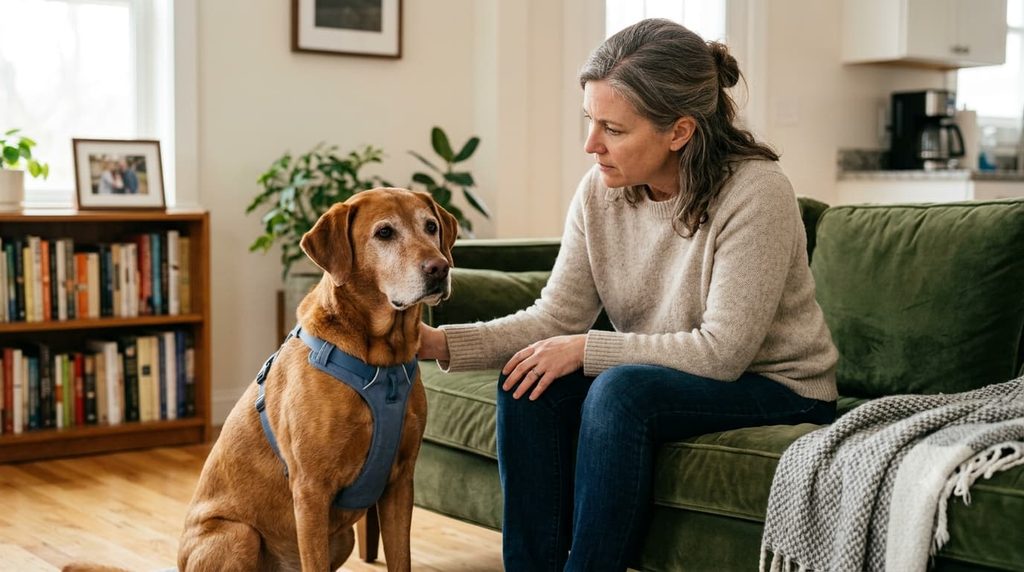
Occasional nervousness is normal. However, persistent or severe fear deserves more attention, especially if it’s interfering with your dog’s normal life.
Consider talking with a veterinarian if your dog:
- Suddenly becomes afraid of things they previously tolerated
- Stops eating or drinking normally
- Frequently hides or tries to escape
- Trembles for long periods
- Shows signs of pain
- Becomes unusually aggressive when frightened
- Has trouble sleeping or settling down
- Seems confused or behaves very differently
A veterinarian can help rule out medical causes and may recommend a qualified behavior professional if anxiety is significant.
Quick Guide: What Might Be Causing the Fear?
| Possible Cause | What You May Notice | Helpful First Step |
|---|---|---|
| Limited socialization | Fear of unfamiliar people or places | Introduce new experiences slowly |
| Bad experience | Fear around a specific trigger | Keep distance and use positive rewards |
| Anxiety | Fear in many everyday situations | Create a predictable routine |
| Loud noises | Panic during thunder or fireworks | Provide a quiet safe space |
| Environmental changes | Nervousness after moving or visitors | Give your dog time to adjust |
| Pain or illness | Sudden fear plus physical changes | Contact your veterinarian |
This table is useful because “Why Is My Dog Afraid of Everything?” doesn’t always have one answer. Look at the pattern rather than focusing on one isolated behavior.
Frequently Asked Questions
Can a dog suddenly become afraid of everything?
Yes. Sudden fear can happen after a frightening experience, major environmental change, or stressful event. Medical problems can also cause changes in behavior, so sudden unexplained fear shouldn’t be ignored.
How do I calm my dog when they are scared?
Give your dog space, keep your voice calm, remove the trigger when possible, and provide a familiar safe place. Reward calm behavior rather than forcing interaction.
Will my dog outgrow their fear?
Some dogs become more confident with age and positive experiences, but persistent fear shouldn’t simply be left untreated. Gradual training can help many dogs become more comfortable.
Should I comfort my dog when they are scared?
You can calmly reassure your dog and stay nearby if they want your presence. Avoid making the situation more exciting or forcing physical contact if your dog wants space.
Why is my dog afraid of things they’ve seen before?
A dog’s response can change because of a new association, stressful experience, pain, or increased sensitivity. If a familiar situation suddenly becomes frightening, pay attention to what else has changed.
Conclusion
So, why is my dog afraid of everything? It could be a combination of temperament, limited socialization, past experiences, anxiety, environmental changes, or even a health issue.
The most helpful approach is patience.
Give your dog a safe environment, introduce challenges gradually, reward confidence, and avoid punishment. If the fear is sudden, severe, or affecting your dog’s everyday life, speak with your veterinarian rather than trying to handle everything alone.
1 thought on “Why Is My Dog Afraid of Everything? 9 Common Reasons & Helpful Tips”