
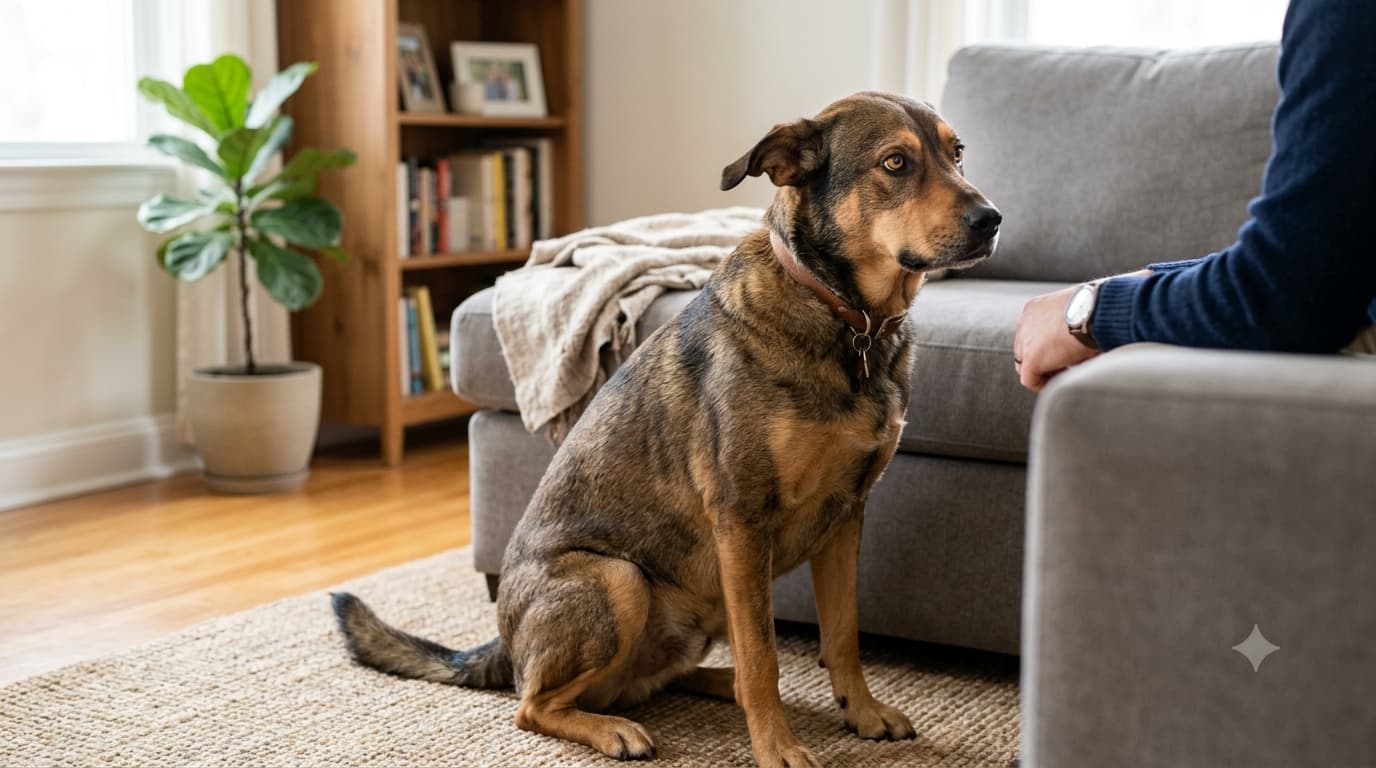
Hearing your own dog growl at you can be surprisingly upsetting. You may immediately wonder, “Is my dog angry with me?” or worry that your dog no longer trusts you.
But a growl doesn’t automatically mean your dog wants to attack you.
Dogs use growling to communicate. Sometimes it’s a warning, but it can also happen because they’re uncomfortable, scared, protective, or simply asking for space.
The important thing is to look at what was happening right before the growl.
Table of Contents
Quick Answer
Why does my dog growl at me? Your dog may growl because they feel scared, uncomfortable, protective, stressed, or don’t want to be touched or disturbed. Pain can also cause sudden growling, especially when the behavior is new.
Before reacting, notice:
- What were you doing?
- Was your dog eating or sleeping?
- Were you touching a particular area?
- Was there something unfamiliar nearby?
- Did your dog show other signs of stress?
7 Common Reasons Your Dog May Growl at You
1. Your Dog Feels Scared
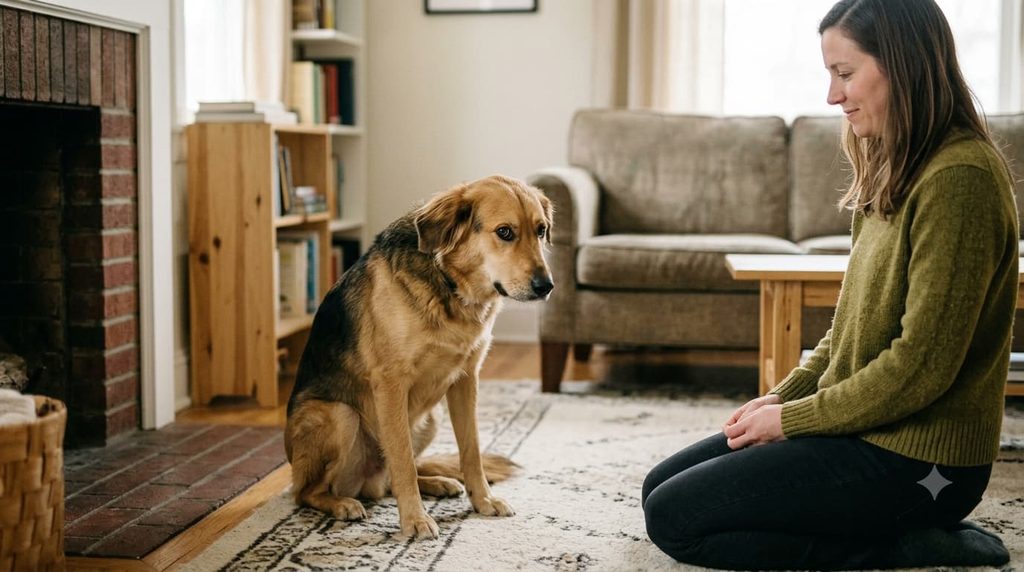
A frightened dog may growl because they want the situation to stop.
For example, if you approach quickly, corner your dog, or reach toward them when they’re already nervous, a growl can be their way of saying “Please give me some space.”
Look for:
- Ears held back
- Lowered body
- Avoiding eye contact
- Tail tucked between the legs
2. Your Dog Is Protecting Something
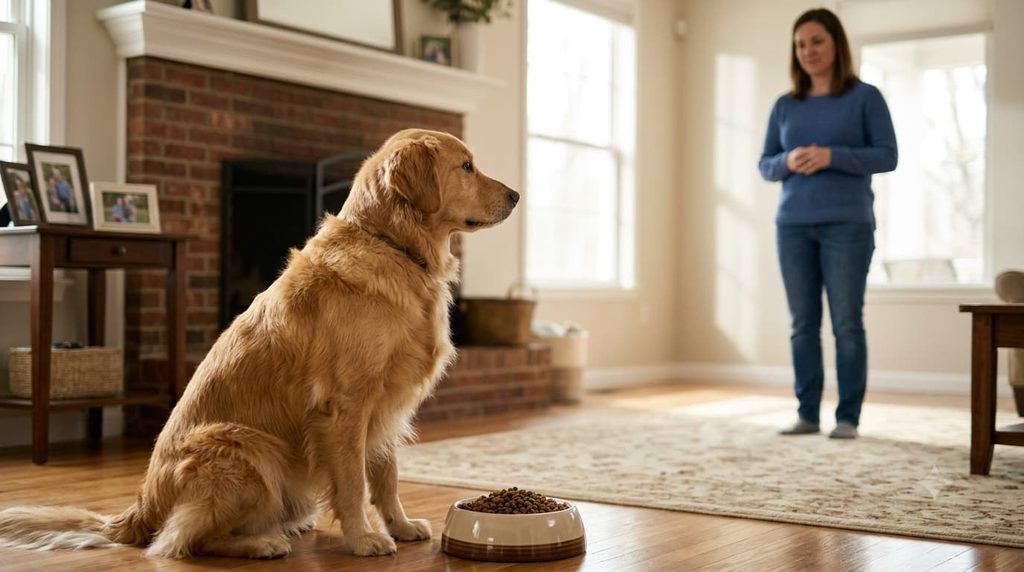
Some dogs growl when someone approaches their food, favorite toy, bed, or another object they value.
This is often called resource guarding.
If your dog growls while eating or guarding an object, don’t punish the growl. Instead, give them space and work on the behavior safely.
Resource guarding can become more serious if the behavior escalates. The American Kennel Club provides additional information about dog behavior and resource guarding.
3. Your Dog Doesn’t Like Being Touched
Sometimes the answer is surprisingly simple: your dog doesn’t want to be touched at that moment.
A dog may growl when you:
- Hug them
- Touch their paws
- Move them from their bed
- Reach over their head
- Handle a sensitive area
Respecting that signal can prevent the situation from escalating.
4. Your Dog Could Be in Pain
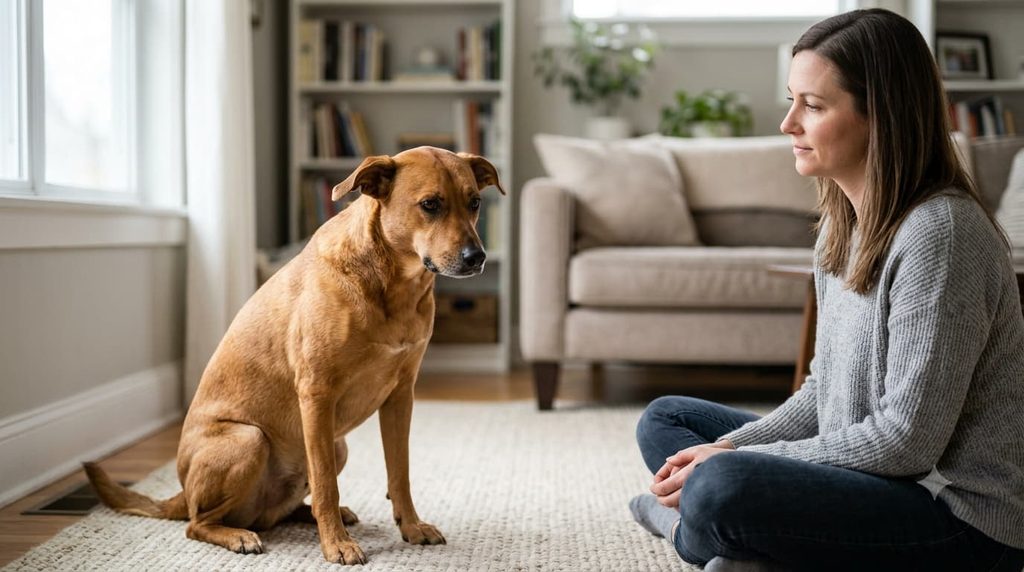
If your normally friendly dog suddenly starts growling when you touch them, pay attention.
Pain from an injury, dental problem, ear issue, or another health problem can make a dog react differently.
A sudden personality change is worth discussing with a veterinarian.
If your dog’s growling suddenly changes or seems connected to pain, PetMD is another useful resource for learning about common health concerns in dogs.
5. Your Dog Is Stressed
Dogs can become stressed by changes that seem minor to us.
Moving to a new home, having visitors, loud noises, a new pet, or changes in their daily routine can make some dogs more defensive.
You may also notice:
- Pacing
- Whining
- Excessive licking
- Hiding
- Restlessness
Stress can sometimes show up through other unusual behaviors too, including destructive chewing. You can also read Why Is My Dog Chewing Everything? for more information.
6. Your Dog Is Protecting Their Space
Some dogs become uncomfortable when someone enters their sleeping area or approaches them while they’re resting.
If your dog growls when you approach their bed, don’t force them out.
Give them a little space and encourage them to move using positive, calm training.
7. Your Dog Is Warning You
Sometimes a growl is simply a warning.
Your dog may be telling you that something about the current situation makes them uncomfortable.
That doesn’t mean you should panic. Instead, stop and assess the situation before continuing.
A growl is useful information because it gives you a chance to understand what your dog needs.
Growling isn’t the only way dogs communicate discomfort. If your dog also whines frequently, read our guide on Why Is My Dog Whining?
What Should I Do If My Dog Growls at Me?
The first thing to do is stay calm. A growl is communication, so punishing your dog for making that sound can make it harder to notice when they’re uncomfortable.
Instead:
- Stop whatever you’re doing if your dog seems uncomfortable.
- Give your dog some space.
- Don’t yell, hit, or physically force them.
- Look for what triggered the growl.
- Avoid taking away food or toys while they’re actively guarding them.
- Once your dog is calm, use positive training to work on the underlying behavior.
Don’t Punish the Growl
It can be tempting to tell your dog “No!” when they growl, especially if it happens unexpectedly.
But removing the warning without addressing the reason behind it isn’t helpful. Your goal should be to understand why your dog is growling at you in the first place.
For example, if your dog growls when you touch their ear, the answer isn’t to force them to tolerate it. The growl may be telling you that something hurts.
When Should I Be Concerned?
A growl deserves extra attention when it’s new, becoming more frequent, or happening in situations where your dog previously felt comfortable.
Contact a veterinarian if you also notice:
- Sudden behavior changes
- Signs of pain
- Loss of appetite
- Excessive hiding
- Difficulty walking
- Changes in sleeping habits
- Growling when a particular body area is touched
If your dog repeatedly growls, snaps, or shows aggressive behavior toward people, consider working with a qualified veterinary behaviorist or professional positive-reinforcement trainer.
How Can I Build Trust With My Dog?
If your dog has started growling at you, don’t assume your relationship is ruined.
Small, predictable interactions can help your dog feel safer around you.
Try:
- Giving them space when they ask for it.
- Rewarding calm behavior.
- Keeping daily routines consistent.
- Using treats during positive training.
- Avoiding forced hugs or handling.
- Letting your dog approach you when possible.
Sometimes the biggest improvement comes from simply listening to what your dog is communicating instead of trying to silence the behavior.
Frequently Asked Questions
Why does my dog growl at me but not my husband?
Your dog may react differently to each person because of differences in handling, body language, past experiences, or the situations in which each person interacts with them.
Why does my dog growl at me when I pet him?
Your dog may be uncomfortable with being touched at that moment, or a particular area could be painful. Stop petting and observe what happens before trying again.
Is a dog growling always a sign of aggression?
No. Growling can communicate fear, discomfort, stress, guarding, or a desire for space. The surrounding body language and situation matter.
Should I ignore my dog when he growls?
Don’t simply ignore it. Give your dog space and try to understand what caused the growl. If it happens repeatedly, seek professional guidance.
Why did my dog suddenly start growling at me?
A sudden change can be caused by fear, stress, pain, or another change in their environment or routine. If there’s no obvious trigger, a veterinary check is a sensible first step.
Conclusion
So, why does my dog growl at me? There isn’t always one simple answer. Your dog could be scared, stressed, protective, uncomfortable, or trying to tell you that they need some space.
Instead of focusing only on stopping the growl, pay attention to what happened immediately before it. That little detail can often tell you much more about what your dog is feeling.