

If you’ve ever walked into a room and found a pile of vomit on the floor, you’ve probably asked yourself, “Why is my cat throwing up?”
As a cat owner, seeing your furry companion vomit can be alarming. Sometimes it’s just a harmless hairball. Other times, frequent vomiting can be a sign of an underlying health problem that requires attention.
I still remember the first time my cat threw up unexpectedly. At first, I assumed it was nothing serious. But after it happened again a few days later, I started paying closer attention to her eating habits, behavior, and overall health. Fortunately, the cause was minor, but the experience taught me how important it is to understand the reasons behind feline vomiting.
The truth is that there are many possible answers to the question “why is my cat throwing up”. Some causes are completely normal, while others may require veterinary care.
In this guide, you’ll learn the most common causes of cat vomiting, warning signs to watch for, and when it’s time to call a veterinarian.
Table of Contents

Is It Normal for Cats to Throw Up Occasionally?
Before panicking, it’s important to know that occasional vomiting is not uncommon in cats.
Cats may vomit from time to time because of:
- Hairballs
- Eating too fast
- Dietary changes
- Mild stomach irritation
However, if you’re repeatedly asking “why is my cat throwing up”, especially if it happens often, the behavior should not be ignored.
Frequent vomiting is never considered normal and may indicate a health issue.
11 Common Causes of Cat Vomiting
1. Hairballs
One of the most common reasons why your cat is throwing up is hairballs.
Cats spend a significant amount of time grooming themselves. During grooming, they swallow loose fur, which can accumulate in the stomach.
Signs include:
- Coughing or gagging
- Tubular vomit containing hair
- Frequent grooming
Long-haired breeds are particularly prone to hairballs.
2. Eating Too Fast
Some cats become so excited during mealtime that they eat too quickly.
When food is swallowed rapidly, the stomach may become irritated, leading to vomiting shortly after eating.
If you’re wondering why is my cat throwing up immediately after meals, fast eating may be the culprit.
Possible solutions:
- Slow-feeder bowls
- Smaller meals
- Feeding multiple times per day
3. Sudden Diet Changes
Cats have sensitive digestive systems.
Switching food abruptly can upset the stomach and trigger vomiting.
When changing diets:
- Introduce new food gradually
- Mix old and new food for 7–10 days
- Monitor digestive reactions
Dietary transitions are a common answer to why is my cat throwing up.
4. Food Allergies or Sensitivities
Certain ingredients may not agree with your cat.
Common triggers include:
- Chicken
- Beef
- Dairy products
- Fish proteins
- Artificial additives
Symptoms may include:
- Vomiting
- Diarrhea
- Itchy skin
- Ear infections
Your veterinarian may recommend an elimination diet if food sensitivity is suspected.
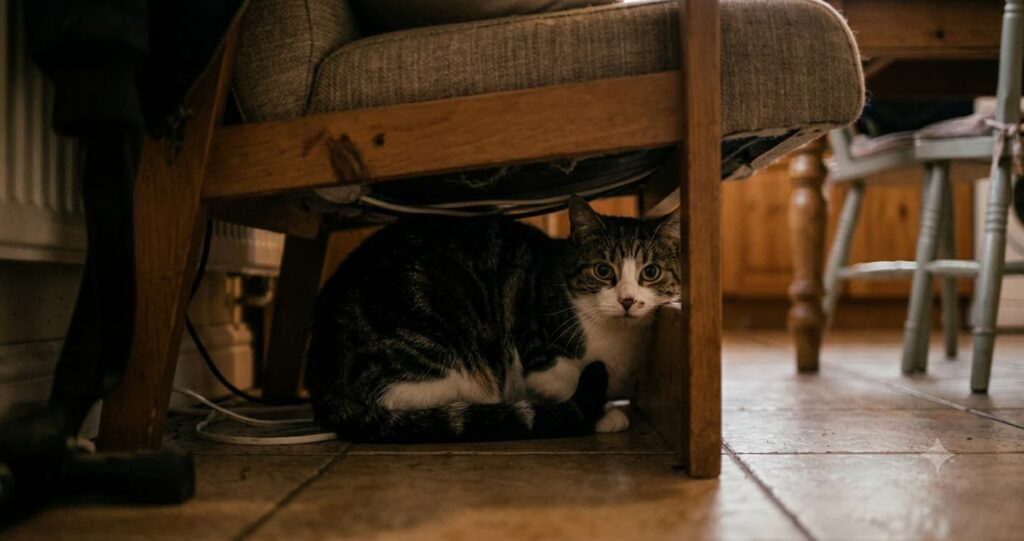
5. Stress and Anxiety
Many cat owners don’t realize that emotional stress can affect digestion.
Common stressors include:
- Moving homes
- New pets
- Changes in routine
- Loud noises
- Visitors
Stress-related vomiting is another possible explanation for why your cat is throwing up.
6. Intestinal Parasites
Parasites can irritate the digestive tract and lead to vomiting.
Common parasites include:
- Roundworms
- Hookworms
- Tapeworms
Additional symptoms may include:
- Weight loss
- Diarrhea
- Poor coat condition
Regular veterinary checkups help reduce parasite risks.
7. Gastroenteritis
Gastroenteritis refers to inflammation of the stomach and intestines.
Possible causes include:
- Viral infections
- Bacterial infections
- Eating spoiled food
- Toxins
Symptoms often include:
- Vomiting
- Diarrhea
- Lethargy
- Appetite loss
8. Kidney Disease
Kidney disease is especially common in older cats.
One reason many owners search “why is my cat throwing up” is because chronic kidney disease can cause nausea and vomiting.
Other signs include:
- Increased thirst
- Increased urination
- Weight loss
- Bad breath
Early diagnosis can improve long-term management.
9. Hyperthyroidism
Hyperthyroidism occurs when the thyroid gland produces excessive hormones.
Symptoms may include:
- Vomiting
- Weight loss
- Increased appetite
- Hyperactivity
This condition is commonly seen in senior cats.
10. Inflammatory Bowel Disease (IBD)
IBD is a chronic condition affecting the digestive tract.
Common symptoms:
- Recurrent vomiting
- Chronic diarrhea
- Weight loss
- Appetite changes
If you’re repeatedly asking “why is my cat throwing up”, IBD may be one possibility your veterinarian investigates.
11. Foreign Object Ingestion
Cats are naturally curious animals.
They may accidentally swallow:
- String
- Ribbon
- Plastic
- Small toys
- Household objects
Foreign objects can create dangerous intestinal blockages.
Warning signs include:
- Repeated vomiting
- Loss of appetite
- Abdominal pain
- Lethargy
This situation requires immediate veterinary care.
How to Tell if Cat Vomiting Is Serious
Occasional vomiting may not be an emergency.
However, you should pay close attention if vomiting is accompanied by:
- Weight loss
- Blood in vomit
- Diarrhea
- Dehydration
- Lethargy
- Appetite loss
- Frequent vomiting
When these symptoms appear, the question changes from “why is my cat throwing up” to whether professional medical evaluation is needed.
When Should You Call a Vet?
Many cat owners search “why is my cat throwing up” because they aren’t sure whether the situation is serious.
While occasional vomiting may not be dangerous, certain warning signs should never be ignored.
Contact your veterinarian immediately if your cat:
- Vomits multiple times within 24 hours
- Has blood in the vomit
- Refuses food for more than 24 hours
- Appears weak or lethargic
- Shows signs of dehydration
- Experiences weight loss
- Has diarrhea along with vomiting
- Struggles to breathe
- Seems to be in pain
If you’re constantly wondering why is my cat throwing up, and the behavior continues for several days, a veterinary examination is strongly recommended.
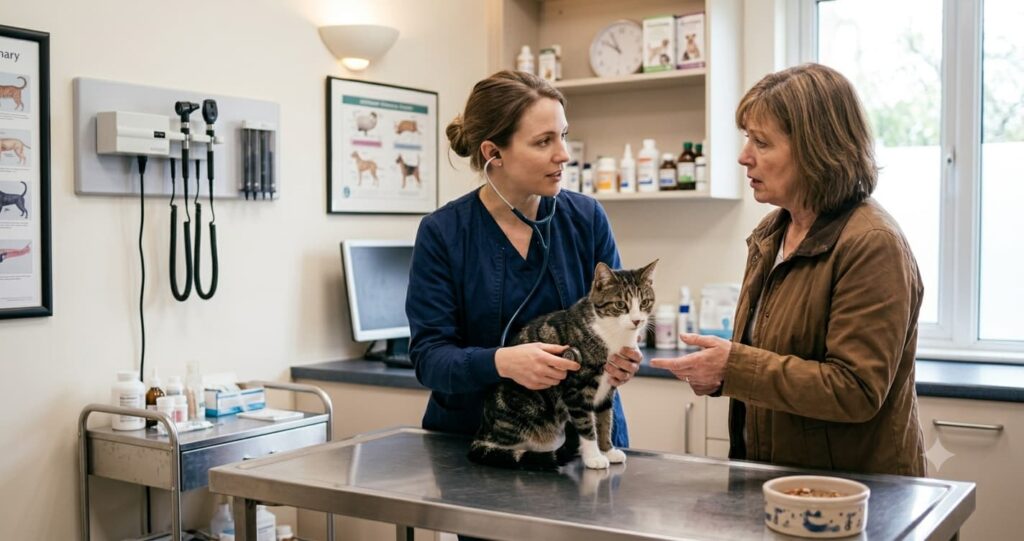
How Veterinarians Diagnose Cat Vomiting
To determine why your cat is throwing up, veterinarians may perform several diagnostic tests.
Physical Examination
Your veterinarian will evaluate:
- Weight
- Hydration level
- Body condition
- Abdominal discomfort
Blood Tests
Blood work helps identify:
- Kidney disease
- Liver disease
- Hyperthyroidism
- Infections
Fecal Examination
A fecal test can detect intestinal parasites that may be causing vomiting.
X-Rays and Ultrasound
Imaging may reveal:
- Intestinal blockages
- Foreign objects
- Tumors
- Organ abnormalities
Understanding why is my cat throwing up often requires a combination of these tests.
Common Treatments for Cat Vomiting
Treatment depends entirely on the underlying cause.
Hairball Management
For hairball-related vomiting, veterinarians may recommend:
- Regular brushing
- Hairball control diets
- Hairball gels
Dietary Adjustments
If food sensitivity is suspected:
- Hypoallergenic diets
- Limited-ingredient foods
- Gradual food transitions
Medications
Depending on the diagnosis, medications may include:
- Anti-nausea drugs
- Dewormers
- Antibiotics
- Anti-inflammatory medications
Fluid Therapy
Dehydrated cats may require fluids to restore hydration and support recovery.
How to Prevent Vomiting in Cats
Although not every cause can be prevented, these habits can reduce the risk.
Feed High-Quality Food
Choose nutritionally balanced cat food from reputable brands.
Avoid Sudden Diet Changes
Introduce new foods gradually over 7–10 days.
Keep Dangerous Objects Away
Prevent access to:
- String
- Ribbon
- Plastic
- Small toys
Maintain Regular Vet Visits
Routine health checks can help identify medical conditions before they become serious.
Brush Your Cat Regularly
Especially for long-haired breeds, brushing can reduce hairball formation.
My Personal Experience
When I first started asking myself “why is my cat throwing up”, I immediately feared the worst.
Fortunately, my cat’s vomiting was caused by hairballs and a minor dietary issue.
What helped most was paying attention to patterns.
I monitored:
- What she ate
- When she vomited
- How often it happened
- Whether other symptoms appeared
That information proved incredibly useful when speaking with the veterinarian.
The experience taught me that occasional vomiting isn’t always an emergency, but persistent vomiting should never be ignored.
Frequently Asked Questions
When Should I Be Concerned About My Cat Throwing Up?
Be concerned if vomiting is frequent, severe, or accompanied by weakness, loss of appetite, diarrhea, blood, or unusual behavior. Repeated vomiting should be evaluated by a veterinarian.
What Should I Do When My Cat Is Vomiting?
Keep your cat calm, provide access to fresh water, and monitor for other symptoms. If vomiting happens repeatedly or your cat becomes weak, stops eating, or seems unwell, contact a veterinarian.
Why is my cat throwing up but acting normal?
Occasional vomiting while otherwise acting normal may result from hairballs, eating too quickly, or mild stomach irritation. However, repeated vomiting should still be monitored.
Why is my cat throwing up after eating?
Many cats vomit after eating too quickly. Food allergies and digestive issues may also contribute.
Why is my cat throwing up yellow liquid?
Yellow vomit often contains bile and may occur when a cat’s stomach is empty for long periods.
Why is my cat throwing up hairballs?
Hairballs form when cats swallow loose fur during grooming. Long-haired cats are particularly susceptible.
Why is my cat throwing up every day?
Daily vomiting is not considered normal and should be evaluated by a veterinarian.
Can stress cause cats to vomit?
Yes. Stress and anxiety can sometimes trigger digestive upset and vomiting.
Should I worry if my cat throws up once?
A single vomiting episode may not be serious, especially if your cat otherwise appears healthy.
What foods can cause cat vomiting?
Food sensitivities, spoiled food, sudden dietary changes, and certain human foods can trigger vomiting.
How can I stop my cat from throwing up hairballs?
Regular brushing, hairball-control diets, and proper grooming can help reduce hairball-related vomiting.
When should I take my cat to the vet for vomiting?
Seek veterinary care if vomiting is frequent, severe, accompanied by blood, or associated with weight loss, lethargy, or dehydration.
Final Thoughts
So, why is my cat throwing up?
The answer can range from harmless causes like hairballs and eating too quickly to more serious conditions such as kidney disease, hyperthyroidism, inflammatory bowel disease, or intestinal blockages.
The key is observation.
Monitor your cat’s symptoms, pay attention to changes in behavior, and don’t hesitate to contact your veterinarian when vomiting becomes frequent or is accompanied by other warning signs.
Understanding why is my cat throwing up can help you identify potential problems early and ensure your feline companion stays healthy, comfortable, and happy for years to come.
For more information about cat health, vomiting, and preventive care, pet owners can refer to trusted veterinary resources such as Cornell Feline Health Center and PetMD.
https://kinshippet.com/how-to-cancel-fetch-pet-insurance-in-2026-step-by-step-guide-for-pet-owners