
Choosing dog insurance can feel confusing when every company promises different benefits. The right plan should help manage unexpected veterinary bills without stretching your budget every month.
If you are asking which is the best insurance for dogs, the answer depends on your dog’s age, breed, health history, and the coverage you can afford. This guide compares five US providers and explains what to check before buying a policy.
Choosing which is the best insurance for dogs depends on your budget, your dog’s needs, and the coverage each provider offers.
Table of Contents
Quick Answer: Which Is the Best Insurance for Dogs?
For many US dog owners, ASPCA Pet Health Insurance is a strong starting point for broad coverage. Pumpkin is worth comparing for its accident-and-illness benefits, while Pets Best may suit owners interested in potential direct vet payments.
There is no single winner for every dog. Compare actual quotes and policy terms before deciding. Independent 2026 comparisons also rank providers differently depending on their evaluation methods.
5 Dog Insurance Companies Worth Comparing

| Provider | What makes it worth considering |
|---|---|
| ASPCA Pet Health Insurance | Broad coverage options |
| Pumpkin | Comprehensive accident-and-illness benefits |
| Pets Best | Potential direct vet payment arrangements |
| Spot | Flexible coverage choices |
| Lemonade | Customizable plan options |
These are comparison candidates, not a guarantee that one company will be cheapest or best for your dog. Availability, coverage, and terms can vary by state and policy.
1. ASPCA Pet Health Insurance — Broad Coverage
ASPCA is worth considering if you want a plan that may include a wide range of eligible medical treatments. Depending on the policy, benefits can include accident and illness care, and certain behavioral or alternative treatments.
Best for: Owners who want to compare broad coverage.
Check before buying: Annual limits, dental coverage, exclusions, and waiting periods. Do not assume every treatment is automatically covered.
2. Pumpkin — Accident and Illness Protection
Pumpkin is another option for owners looking for coverage that goes beyond accidents. Its plans may include benefits for eligible illnesses, hereditary conditions, prescription medications, and exam fees, subject to policy terms.
Best for: Owners prioritizing comprehensive medical coverage.
Check before buying: Monthly premium, deductible, reimbursement rate, and annual coverage limit.
3. Pets Best — Potential Direct Vet Payments
Pets Best may appeal to owners who want the option of having a veterinarian paid directly under an eligible arrangement. This could reduce the amount you need to pay upfront, but you should confirm the process with the insurer and clinic.
Best for: Owners concerned about paying a large bill before reimbursement.
Check before buying: Whether your veterinarian accepts direct payment, how claims are approved, and what you must pay yourself.
4. Spot — Flexible Plan Choices
Spot offers choices that can help owners adjust coverage to their needs and budget. Depending on the available policy, you may be able to select different deductibles, reimbursement percentages, and annual limits.
Best for: Owners who want to customize their plan.
Check before buying: Whether a lower premium means a higher deductible or a lower annual limit.
5. Lemonade — Customizable Options
Lemonade is worth getting a quote from if you prefer a customizable insurance plan. Available options and add-ons vary, so compare the base policy with the extra benefits you actually need.
Best for: Owners who like choosing coverage options.
Check before buying: State availability, waiting periods, exclusions, and the price after adding optional coverage.
What Does Dog Insurance Usually Cover?

Most plans fall into three main categories:
- Accident-only: Eligible injuries, such as certain cuts, fractures, or accidental injuries.
- Accident and illness: Eligible accidents plus illnesses, such as infections or other covered medical conditions.
- Wellness or preventive care: Optional benefits that may help with specified routine services, such as vaccinations or wellness exams.
Routine care is not automatically included in an accident-and-illness policy. Read the benefit schedule carefully.
When deciding which is the best insurance for dogs, check whether the policy covers accidents, illnesses, diagnostic tests, and prescribed treatments.
How Much Does Dog Insurance Cost?
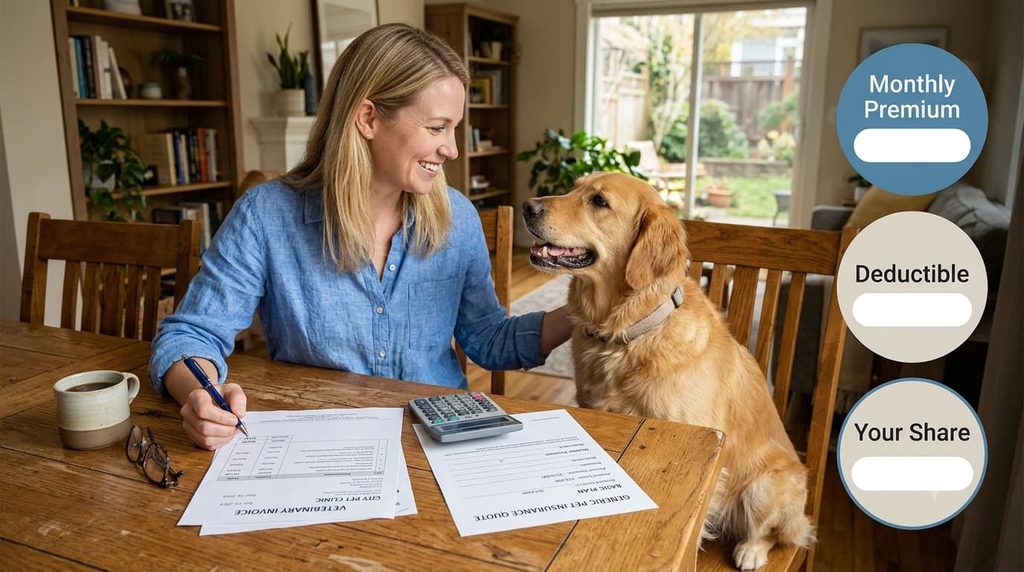
There is no universal monthly price. Premiums depend on factors such as your dog’s age, breed, location, and selected coverage.
Your quote may also change based on:
- Annual coverage limit
- Deductible
- Reimbursement percentage
- Optional wellness benefits
- Insurer-specific pricing rules
To compare which is the best insurance for dogs for your budget, request quotes using the same deductible, reimbursement rate, and annual limit. Otherwise, you may compare plans that provide very different levels of protection.
5 Things to Check Before Buying
Before choosing a policy, review these details:
- Pre-existing conditions: Many plans exclude conditions that began before coverage. Ask how the insurer defines them.
- Waiting periods: Coverage may not begin immediately after enrollment.
- Deductible: Check what you must pay before reimbursement applies.
- Reimbursement: Understand the percentage paid and how eligible expenses are calculated.
- Annual limits and exclusions: Confirm maximum benefits and whether hereditary, dental, or other specific conditions are excluded or restricted.

The National Association of Insurance Commissioners recommends reviewing exclusions, deductibles, payment limits, and waiting periods before purchasing pet insurance.
Before choosing a policy, review the National Association of Insurance Commissioners’ pet insurance guidance to understand exclusions, deductibles, waiting periods, and coverage limits.
If you’re comparing pet insurance policies, you may also find our guide on how to cancel Fetch Pet Insurance helpful for understanding the cancellation process.
FAQs
Which is the best insurance for dogs overall?
ASPCA is a reasonable starting point for comparing broad coverage, but the best choice depends on your dog’s needs, quote, and policy exclusions.
Is dog insurance worth it?
It may help manage unexpected eligible veterinary expenses if you can afford the premium and understand the out-of-pocket costs. It is not a guarantee that every bill will be paid.
Does dog insurance cover pre-existing conditions?
Many policies exclude them. Definitions and exceptions vary, so read the exact policy wording.
Can I use my own veterinarian?
Some insurers let you visit any licensed veterinarian, but confirm the rules and any restrictions before enrolling.
Should I choose the cheapest plan?
Not automatically. A low premium may come with a higher deductible, lower annual limit, or narrower coverage.

Final Verdict
If you are still deciding which is the best insurance for dogs, start by comparing ASPCA, Pumpkin, Pets Best, Spot, and Lemonade using identical coverage settings. Focus on exclusions, reimbursement rules, waiting periods, and the amount you could pay yourself—not just the monthly premium.
The best policy is one that fits your dog’s needs and your budget while clearly explaining what it will and will not cover.
1 thought on “Which Is the Best Insurance for Dogs in 2026? Compare Top 5 Plans, Costs and Coverage”