
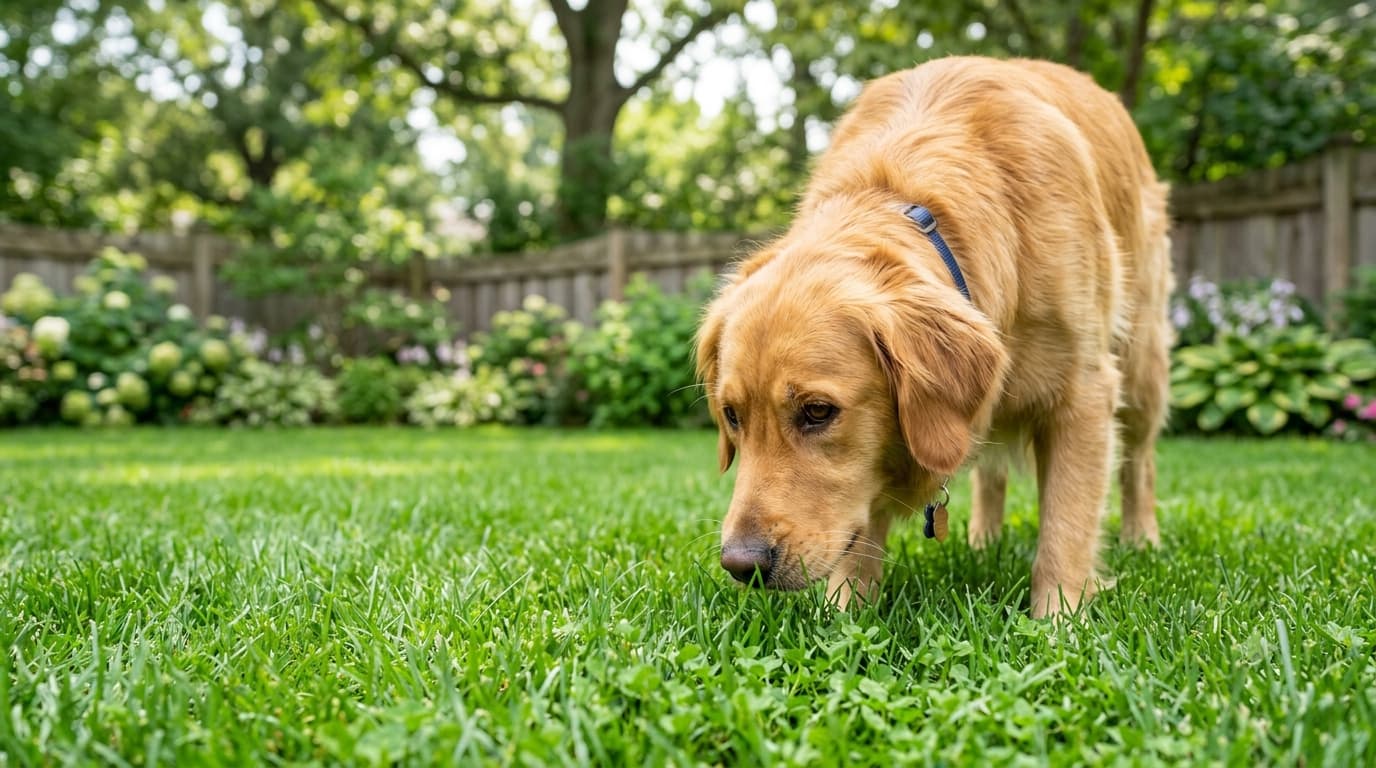
Watching your dog eat poop can be confusing and unpleasant. If you have wondered why do dogs eat poop, you are not alone. This behavior, known as coprophagia, is relatively common in dogs, especially puppies. It may happen because of curiosity, habit, boredom, stress, or sometimes an underlying health problem.
The good news is that there are practical ways to manage this behavior. Understanding the possible causes can help you decide what to do next and when your dog needs veterinary attention.
Table of Contents
Why Do Dogs Eat Poop? Quick Answer
Dogs may eat poop because of curiosity, instinct, attention-seeking, boredom, stress, or increased hunger. Some medical conditions can also contribute. Occasional poop-eating does not automatically mean your dog has a nutritional deficiency, but repeated or newly developed behavior deserves attention.
7 Common Reasons Dogs Eat Poop
1. Curiosity and Natural Instinct
Puppies explore the world with their mouths, and unusual smells can attract their attention. Some dogs continue eating stool as they grow older because the behavior becomes a habit.

Mother dogs may also eat their puppies’ waste while keeping the nesting area clean.
If you are wondering why do dogs eat poop even when they have regular meals, curiosity and learned behavior may be part of the explanation.
What to do: Supervise your dog outdoors and redirect them before they eat stool. Reward them for coming to you instead.
2. Boredom or Lack of Stimulation
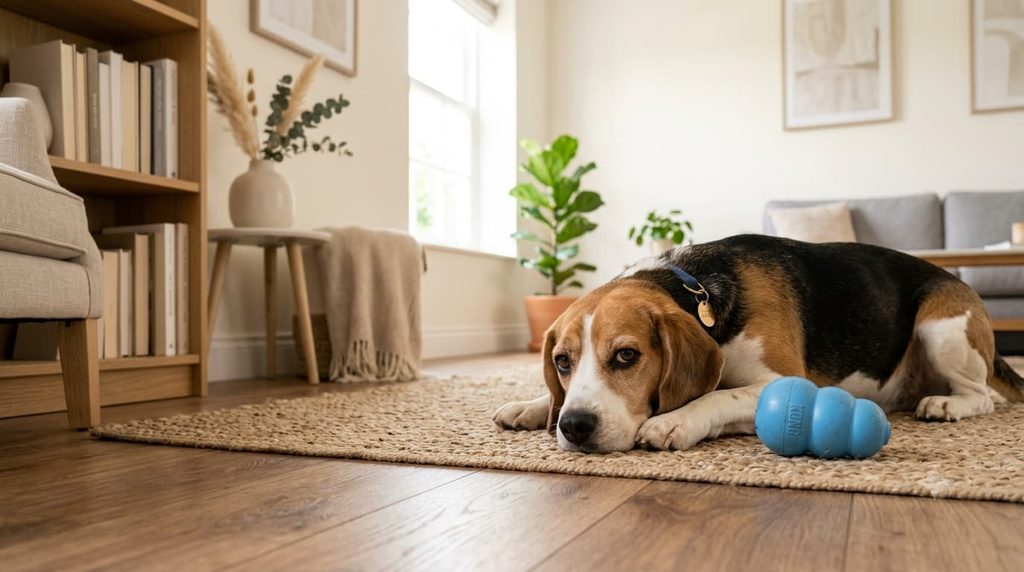
Dogs need exercise, play, sniffing opportunities, and mental stimulation. When these needs are not met, some dogs develop unwanted habits, including poop-eating.
Helpful steps:
- Schedule regular, age-appropriate walks and play sessions.
- Offer safe enrichment toys and short training activities.
- Supervise outdoor time instead of leaving your dog unattended for long periods.
3. Attention-Seeking Behavior
Some dogs learn that eating poop produces a strong reaction from their owners. Chasing, shouting, or repeatedly reacting can unintentionally turn the behavior into an attention-seeking habit.
When considering why do dogs eat poop, pay attention to how you respond. A calm approach is often more useful than punishment.
What to do: Avoid yelling or frightening your dog. Call them away, reward them for responding, and clean up the stool promptly.
4. Hunger or Changes in Appetite
A dog that is not getting enough food may search for additional things to eat. Certain medications and medical conditions can also increase appetite.
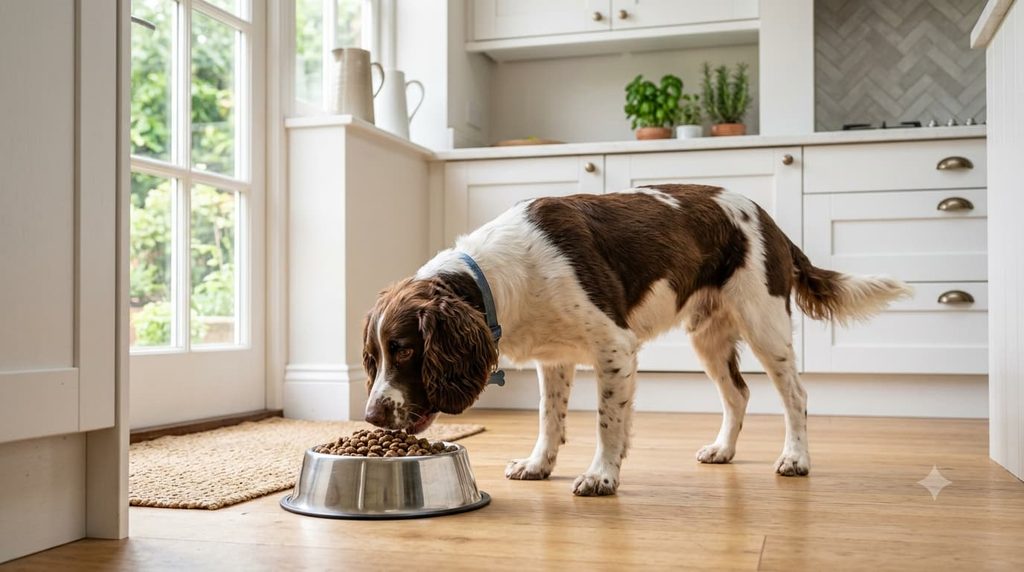
However, poop-eating does not automatically mean your dog is hungry or missing nutrients.
What to do: Check that your dog receives an appropriate, complete diet in suitable portions. Ask your veterinarian before changing the diet or adding supplements.
5. Stress or Anxiety
Changes in routine, isolation, confinement, or stressful experiences may contribute to repetitive behaviors in some dogs.
If you keep asking why do dogs eat poop when they are left alone, consider whether stress or a lack of enrichment might be involved. The behavior alone, however, cannot confirm anxiety.
What to do: Maintain a predictable routine, provide a comfortable resting space, and seek veterinary advice if the behavior continues.
6. An Underlying Medical Problem
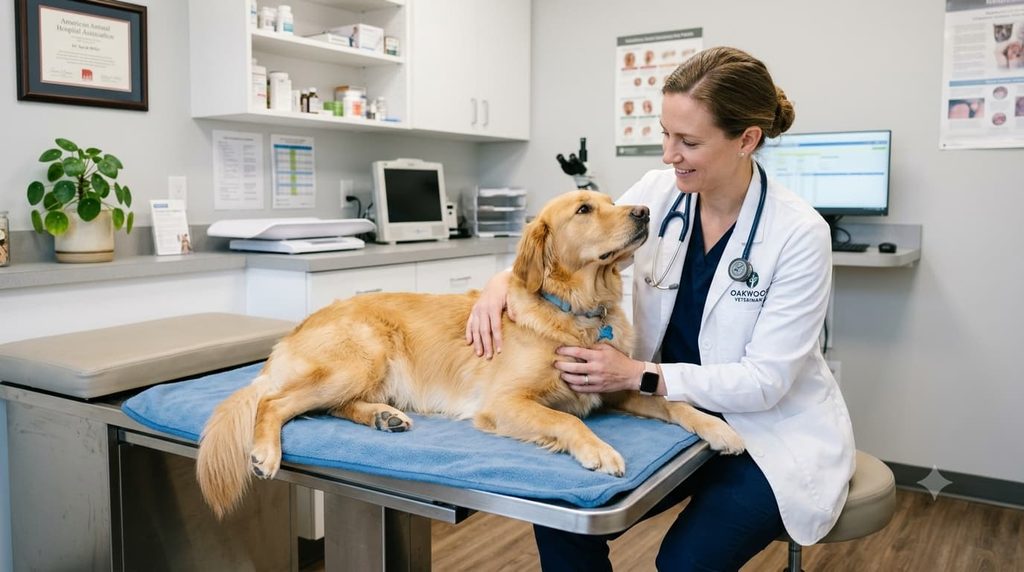
Parasites, digestive disorders, problems absorbing nutrients, and conditions that increase appetite may sometimes contribute to poop-eating. These causes are particularly important to consider if an adult dog suddenly develops the habit.
Watch for additional signs such as:
- Weight loss or unusual hunger
- Vomiting or diarrhea
- Low energy
- Changes in appetite or stool consistency
If you notice these symptoms, arrange a veterinary examination. Your veterinarian may recommend a physical examination and stool testing.
7. The Smell or Taste of Other Animals’ Stool
Some dogs are attracted to cat poop or the stool of other animals. Food remains and strong odors can make these stools appealing to them.
Even if your dog seems healthy, eating another animal’s stool can expose them to parasites, harmful bacteria, or other contaminants.
What to do: Keep litter boxes inaccessible, clean up waste promptly, and supervise your dog on walks.
How to Stop Your Dog From Eating Poop
If you are trying to understand why do dogs eat poop and how to stop it, start with consistent management rather than punishment.
- Clean up quickly: Remove stool from your yard as soon as possible.
- Supervise bathroom breaks: Keep your dog within sight when outdoors.
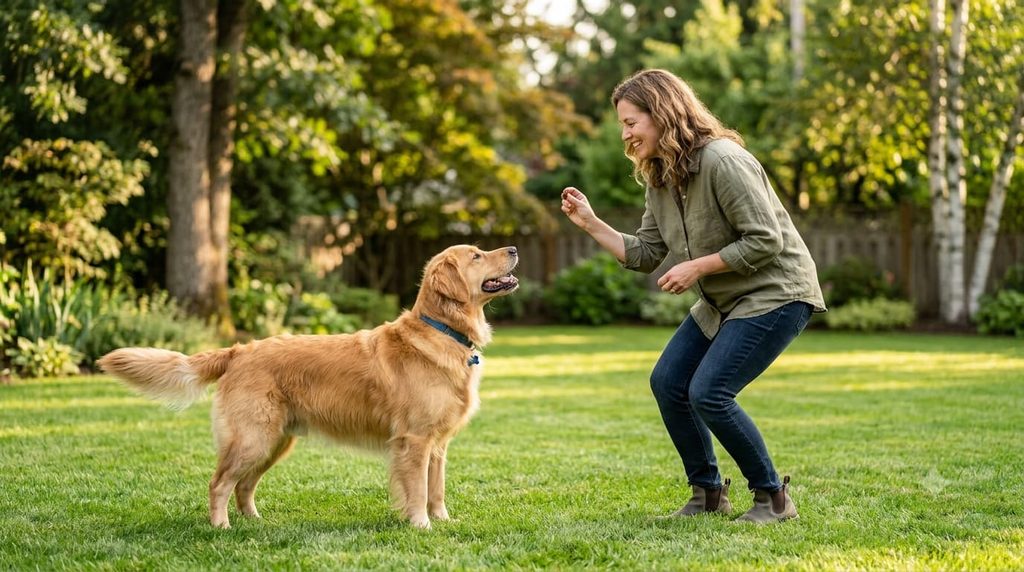
- Teach “leave it” and “come”: Use reward-based training and practice in a safe environment.
- Reward better choices: Praise your dog for turning away from stool and responding to your cue.
- Check for medical causes: Contact your veterinarian if the behavior is frequent, sudden, or accompanied by symptoms.
Avoid giving supplements or home remedies intended to make stool taste unpleasant unless your veterinarian recommends them.
Frequently Asked Questions
1. Why do dogs eat their own poop?
Dogs may eat their own stool because of curiosity, habit, stress, or attention-seeking. Persistent behavior can sometimes be associated with medical problems, so consult your veterinarian if it continues.
2. Is it normal for puppies to eat poop?
It can occur during normal exploration, and many puppies outgrow it. Supervise them closely and clean up waste to reduce the opportunity.
3. Can eating poop make dogs sick?
Yes. Stool may contain parasites, harmful bacteria, or contaminants. Contact your veterinarian if your dog becomes unwell after eating poop.
4. Does poop-eating mean my dog lacks vitamins?
Not necessarily. Nutritional deficiencies are not the only or most common explanation. Do not start supplements without veterinary advice.
5. When should I take my dog to the vet?
Arrange a veterinary visit if an adult dog suddenly starts eating poop, the behavior persists, or you notice weight loss, digestive problems, unusual hunger, or low energy.
Conclusion
Understanding why do dogs eat poop starts with observing your dog’s habits, environment, and overall health. Curiosity and learned behavior may explain some cases, while stress or medical problems can contribute to others. Clean up waste promptly, use positive training, and contact your veterinarian when the behavior is persistent or accompanied by other symptoms.
Dogs may also show other unusual behaviors, such as scratching the floor, for several different reasons.